THE ADVENTURE COLLECTIVE® · Independent discovery and booking for outdoor travel

Spend a day crossing chalk plains to visit Stonehenge’s ancient ring, the soaring spire of Salisbury Cathedral, and the state rooms of Windsor Castle — all from London in a private vehicle. Practical timing, admission, and access tips help you make the most of a long but manageable day.
Spend a day crossing chalk plains to visit Stonehenge’s ancient ring, the soaring spire of Salisbury Cathedral, and the state rooms of Windsor Castle — all from London in a private vehicle. Practical timing, admission, and access tips help you make the most of a long but manageable day.
You leave London before dawn and the city silhouette thins to suburbs, then to open chalk countryside. The private vehicle threads along A-roads, the driver cutting through commuter traffic as the landscape widens; the rolling Salisbury Plain appears like a pale green sea, the stones waiting where wind shapes the grass.
Verified experiences and guided adventures in the surrounding area.
Operated by Travel Brake Ltd · Salisbury, Wiltshire
You leave London before dawn and the city silhouette thins to suburbs, then to open chalk countryside. The private vehicle threads along A-roads, the driver cutting through commuter traffic as the landscape widens; the rolling Salisbury Plain appears like a pale green sea, the stones waiting where wind shapes the grass.
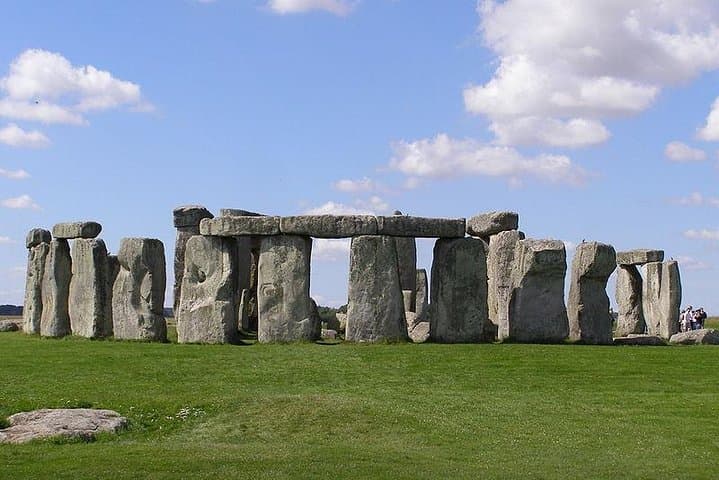
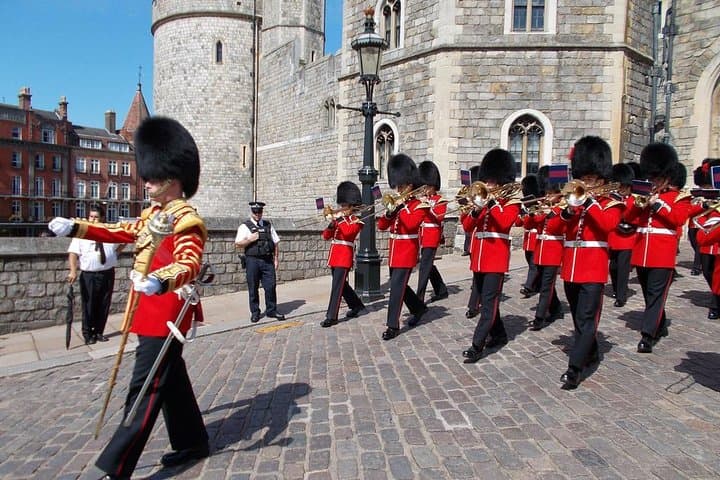
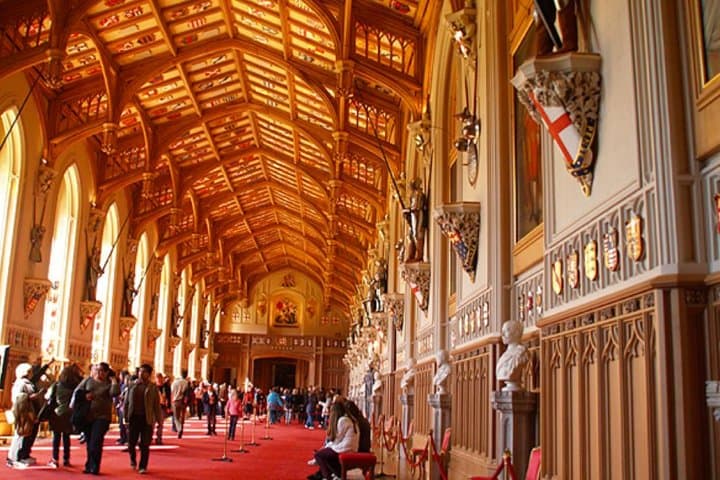
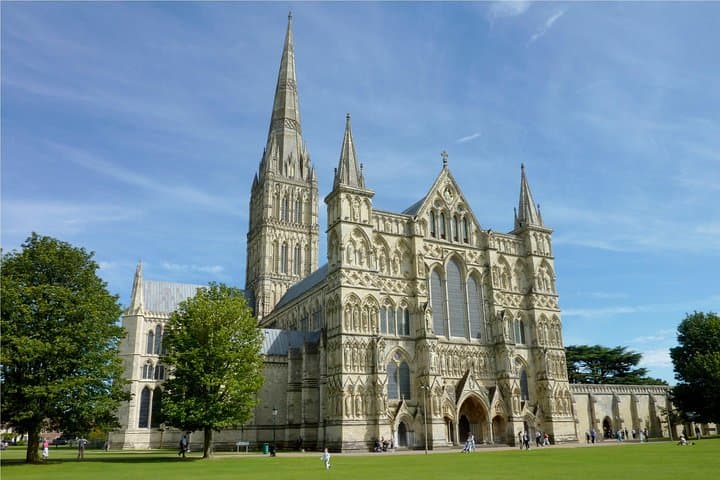
At Stonehenge the standing stones keep their distance and their mystery. Touch is not allowed, but the circle’s geometry, size and placement are immediate: Bronze Age engineering set on Cretaceous chalk, moved and aligned over millennia. Nearby Salisbury Cathedral points its spire into the same sky—its 13th-century lines are a study in medieval ambition and locally quarried stone. Later, Windsor Castle’s battlements and state apartments offer the living history of a monarchy that still works within these walls.
Geology, history and monarchy overlap here: chalk downs that drain to the Avon, Neolithic ritual landscapes, a Gothic cathedral built to house one of the Magna Carta originals, and a royal fortress continuously occupied for nearly a millennium. Local culture is practical—tea rooms, market stalls, and pubs serving hearty fare between timed-entry sites.
Practical guidance: the itinerary typically allows roughly two hours at Stonehenge and two hours at Windsor with transfers and a stop in Salisbury, making for a 9–10 hour day. Bring sturdy shoes for uneven ground, layers for wind on the plain, and photo ID for Windsor security. Expect timed entries and bag checks; plan eats during the Salisbury stop and keep a charging cable for phones and audio guides.
easy.
9–10 hours.
Minimal fitness required; comfortable spending several hours on your feet with short walks and some standing.
Yes—this private day trip includes admission to Stonehenge and Windsor Castle, plus audio guides where specified.
Expect a full-day excursion of approximately 9–10 hours, including transfers and scheduled viewing times (about two hours at Stonehenge and two hours at Windsor).
Standard vehicles are not wheelchair accessible, but a foldable wheelchair can be accommodated—confirm when booking to arrange pickup logistics.
You can bring water and snacks for the vehicle and Stonehenge; there are cafés and shops in Salisbury and at Windsor for meals during the allocated stops.
Stonehenge was constructed in several phases beginning around 3000–2500 BCE on Cretaceous chalk; Salisbury Cathedral dates to the early 13th century and houses one of the best-preserved Magna Carta copies.
Stonehenge is managed to protect fragile archaeology and chalk grassland; visitors are routed and timed to limit wear, and local conservation groups work to preserve habitat around the downs.
Travel Brake Ltd operates guided outdoor trips and adventures with an emphasis on safety, stewardship, and memorable experiences.
You leave London before dawn and the city silhouette thins to suburbs, then to open chalk countryside. The private vehicle threads along A-roads, the driver cutting through commuter traffic as the landscape widens; the rolling Salisbury Plain appears like a pale green sea, the stones waiting where wind shapes the grass.
You leave London before dawn and the city silhouette thins to suburbs, then to open chalk countryside. The private vehicle threads along A-roads, the driver cutting through commuter traffic as the landscape widens; the rolling Salisbury Plain appears like a pale green sea, the stones waiting where wind shapes the grass.
At Stonehenge the standing stones keep their distance and their mystery. Touch is not allowed, but the circle’s geometry, size and placement are immediate: Bronze Age engineering set on Cretaceous chalk, moved and aligned over millennia. Nearby Salisbury Cathedral points its spire into the same sky—its 13th-century lines are a study in medieval ambition and locally quarried stone. Later, Windsor Castle’s battlements and state apartments offer the living history of a monarchy that still works within these walls.
Geology, history and monarchy overlap here: chalk downs that drain to the Avon, Neolithic ritual landscapes, a Gothic cathedral built to house one of the Magna Carta originals, and a royal fortress continuously occupied for nearly a millennium. Local culture is practical—tea rooms, market stalls, and pubs serving hearty fare between timed-entry sites.
Practical guidance: the itinerary typically allows roughly two hours at Stonehenge and two hours at Windsor with transfers and a stop in Salisbury, making for a 9–10 hour day. Bring sturdy shoes for uneven ground, layers for wind on the plain, and photo ID for Windsor security. Expect timed entries and bag checks; plan eats during the Salisbury stop and keep a charging cable for phones and audio guides.