THE ADVENTURE COLLECTIVE® · Independent discovery and booking for outdoor travel

Drive the Makarska Riviera’s coastal highway, swim in Adriatic coves, then cross into Bosnia to stand on Mostar’s rebuilt Ottoman bridge. This private day trip pairs seaside scenery with concentrated cultural history in one full‑day excursion.
Drive the Makarska Riviera’s coastal highway, swim in Adriatic coves, then cross into Bosnia to stand on Mostar’s rebuilt Ottoman bridge. This private day trip pairs seaside scenery with concentrated cultural history in one full‑day excursion.
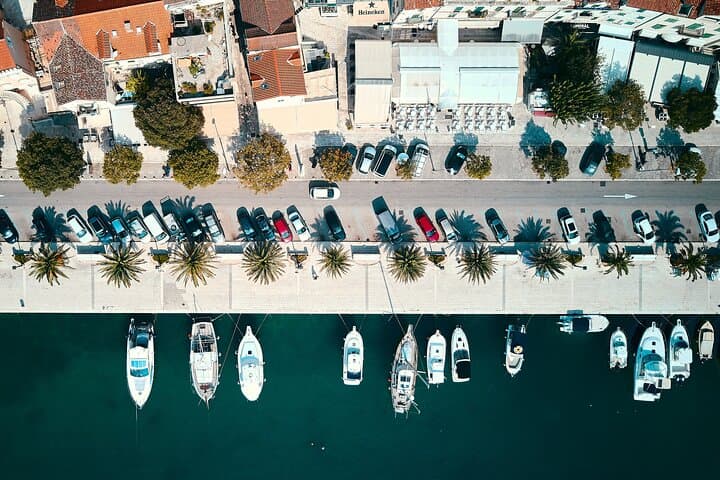
Morning light slides across Split’s Riva as a private car eases away from the harbor, hugging the Adriatic where blue water meets reef and limestone spines of the Biokovo massif rise like a wall. The drive toward Makarska unfolds in frames: beach coves, terraced olive groves, and towns that trade the hush of the sea for the clack of market stalls.
Verified experiences and guided adventures in the surrounding area.
Operated by Europe Journey - Private Sightseeing Transfers and Day Tours · Split, Split-Dalmatia County
Morning light slides across Split’s Riva as a private car eases away from the harbor, hugging the Adriatic where blue water meets reef and limestone spines of the Biokovo massif rise like a wall. The drive toward Makarska unfolds in frames: beach coves, terraced olive groves, and towns that trade the hush of the sea for the clack of market stalls.
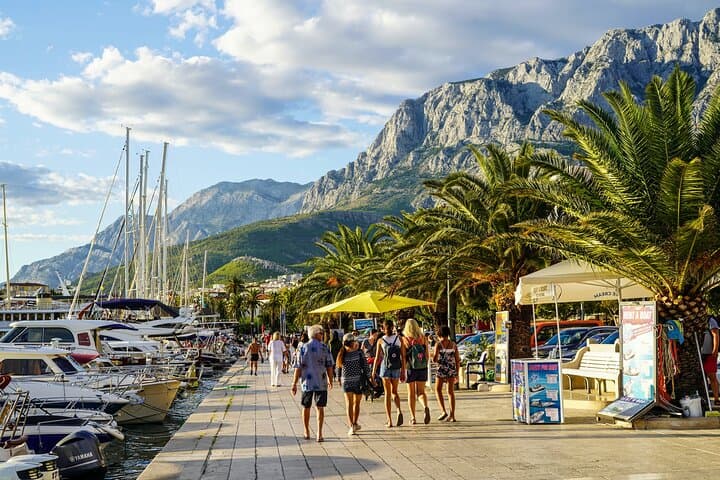
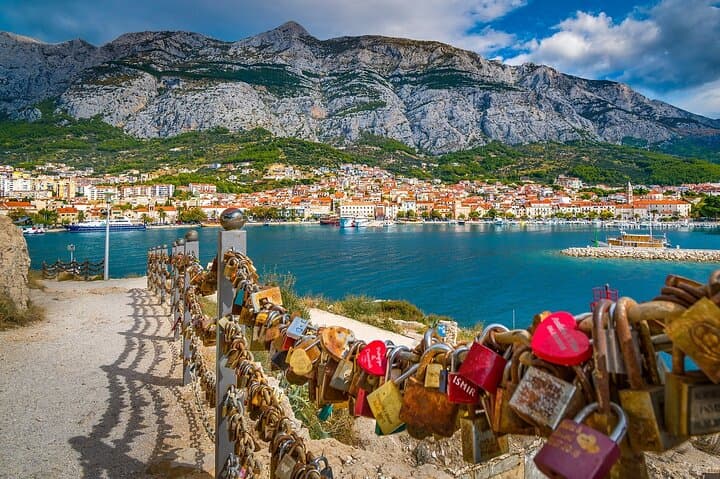
Makarska sits on the Dalmatian Riviera with a compact old town, a lively waterfront, and the Franciscan convent whose shell collections hint at centuries of seafaring. Geologically, the area is karst limestone—steep slopes and sheer drops that create dramatic coastal views and a microclimate ideal for sunlit beaches.
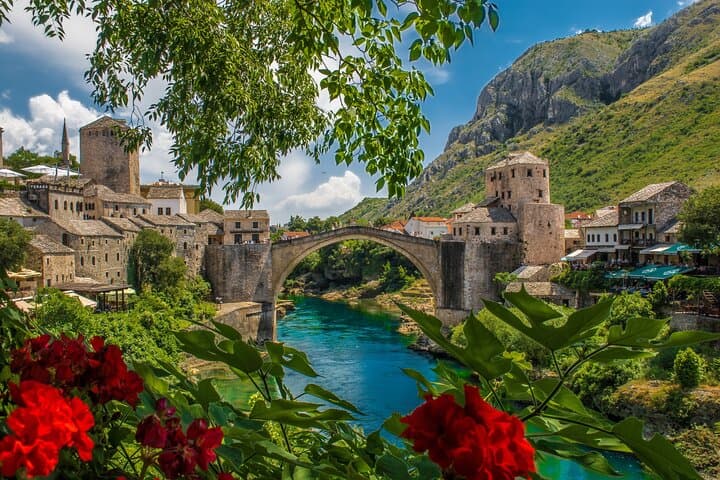
Crossing the border into Bosnia and Herzegovina brings a change of pace: the Neretva River carves through Mostar beneath the rebuilt 16th‑century Stari Most, an Ottoman-era arch that was restored after the 1990s conflict and now draws divers and photographers alike. Strolling the bazaar, visitors encounter Bosnian coffee rituals, carved copperware, and layered architectural influences from Ottoman minarets to Austro-Hungarian façades.
Practically, expect a full day (roughly 7–9 hours) in an air‑conditioned private vehicle with short walking sections on cobbles and stone steps. Bring a passport for the border crossing, small local currency for cafés in Bosnia, and sturdy shoes for stairs and uneven streets. Entrance fees and meals are usually not included; plan time for a swim in Makarska’s clear bays or a climb up a mosque minaret for the best city views. The route blends relaxed coastal leisure with concentrated cultural visits—easy to enjoy with basic mobility and a readiness for short urban hikes.
easy.
7–9 hours.
Suitable for most fitness levels; requires walking on uneven cobbles and short stair climbs.
Yes. The trip crosses from Croatia into Bosnia and Herzegovina; all travelers should carry a valid passport for border control.
No. Entrance fees to museums or monuments and any meals are typically not included—bring cash or cards for purchases.
Walking is limited to short town exploration, cobbled streets and staircases; the vehicle handles the long transfers, so basic mobility is sufficient.
Yes. Stops on the Makarska Riviera allow time for swimming; bring swimwear and a towel—shore access varies by exact stop chosen.
Mostar’s Stari Most was originally built in the 16th century under Ottoman rule and rebuilt after wartime destruction, symbolizing cultural continuity; Makarska reflects Dalmatian maritime trade and karst geology.
The Adriatic coast and Neretva basin face pressure from tourism and development—pack out waste, stick to marked paths, and avoid disturbing river habitats or marine life.
Europe Journey - Private Sightseeing Transfers and Day Tours operates guided outdoor trips and adventures with an emphasis on safety, stewardship, and memorable experiences.
Morning light slides across Split’s Riva as a private car eases away from the harbor, hugging the Adriatic where blue water meets reef and limestone spines of the Biokovo massif rise like a wall. The drive toward Makarska unfolds in frames: beach coves, terraced olive groves, and towns that trade the hush of the sea for the clack of market stalls.
Morning light slides across Split’s Riva as a private car eases away from the harbor, hugging the Adriatic where blue water meets reef and limestone spines of the Biokovo massif rise like a wall. The drive toward Makarska unfolds in frames: beach coves, terraced olive groves, and towns that trade the hush of the sea for the clack of market stalls.
Makarska sits on the Dalmatian Riviera with a compact old town, a lively waterfront, and the Franciscan convent whose shell collections hint at centuries of seafaring. Geologically, the area is karst limestone—steep slopes and sheer drops that create dramatic coastal views and a microclimate ideal for sunlit beaches.
Crossing the border into Bosnia and Herzegovina brings a change of pace: the Neretva River carves through Mostar beneath the rebuilt 16th‑century Stari Most, an Ottoman-era arch that was restored after the 1990s conflict and now draws divers and photographers alike. Strolling the bazaar, visitors encounter Bosnian coffee rituals, carved copperware, and layered architectural influences from Ottoman minarets to Austro-Hungarian façades.
Practically, expect a full day (roughly 7–9 hours) in an air‑conditioned private vehicle with short walking sections on cobbles and stone steps. Bring a passport for the border crossing, small local currency for cafés in Bosnia, and sturdy shoes for stairs and uneven streets. Entrance fees and meals are usually not included; plan time for a swim in Makarska’s clear bays or a climb up a mosque minaret for the best city views. The route blends relaxed coastal leisure with concentrated cultural visits—easy to enjoy with basic mobility and a readiness for short urban hikes.