THE ADVENTURE COLLECTIVE® · Independent discovery and booking for outdoor travel

A private, full‑day transfer from Bogotá to the Salt Cathedral offers a guided descent into a carved underground sanctuary and a compact lesson in regional mining and geology. Expect cool, damp galleries, stairs, and an accessible itinerary with local stops.
A private, full‑day transfer from Bogotá to the Salt Cathedral offers a guided descent into a carved underground sanctuary and a compact lesson in regional mining and geology. Expect cool, damp galleries, stairs, and an accessible itinerary with local stops.
You arrive on a high Andean morning as the road eases north from Bogotá and the city’s noise thins into farmland and low scrub. The vehicle winds up to Zipaquirá and then down toward the mine entrance; inside, the cavern breathes cool and still, salt walls glowing under focused light. Walking corridors cut into halite, the mined galleries guide you from the open plaza into a subterranean cathedral where carved Stations of the Cross and lit chambers shape a solemn route.
Verified experiences and guided adventures in the surrounding area.
Operated by WeDrive Colombia · Zipaquirá, Cundinamarca
You arrive on a high Andean morning as the road eases north from Bogotá and the city’s noise thins into farmland and low scrub. The vehicle winds up to Zipaquirá and then down toward the mine entrance; inside, the cavern breathes cool and still, salt walls glowing under focused light. Walking corridors cut into halite, the mined galleries guide you from the open plaza into a subterranean cathedral where carved Stations of the Cross and lit chambers shape a solemn route.
Built inside an active salt mine, the Salt Cathedral of Zipaquirá is both a religious site and an example of regional mining history that dates to pre-Colombian times — later formalized during colonial and republican eras when salt became a regional economy driver. Geologically, the cathedral sits in Miocene salt deposits; the shimmering mineral surfaces are the product of evaporitic processes millions of years old. Culturally, the site blends Catholic ritual with local labor history: miners’ tools and engineering are visible alongside carved altars.
Practically, this private full-day tour from Bogotá covers round-trip transport, admission and a guided route through the main chambers with time to visit the town’s central plaza. Expect stairs, ramps and a cooler, damp microclimate underground; bring a jacket and good footwear. Tours typically last about seven hours including transfers; plan for moderate exertion at altitude and allow extra time for photos and a stop in Zipaquirá’s market for snacks or souvenirs.
moderate.
7 hours.
Moderate fitness: you should be comfortable walking stairs and standing for extended periods at high elevation.
Door-to-door tours are typically about seven hours total, including round-trip transport and time inside the cathedral.
The tour listing notes wheelchair-accessible transportation and surfaces in some areas, but parts of the mine include stairs—check with the operator about specific access needs.
Yes; the private tour includes admission and an expert guide who leads the route and provides historical context.
Families can attend, but the site has stairs and cool, damp conditions; travelers with significant cardiovascular issues are advised not to participate.
The cathedral occupies galleries carved from long-exploited halite deposits; the modern subterranean church opened in the late 20th century after miners and artists collaborated on its design.
Management balances tourism with mine stability and cultural preservation; visitors should avoid touching sculptures and follow marked routes to minimize wear.
WeDrive Colombia operates guided outdoor trips and adventures with an emphasis on safety, stewardship, and memorable experiences.
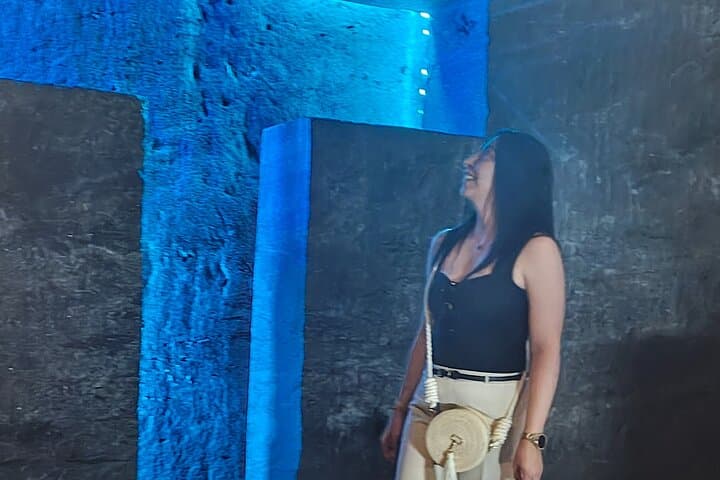

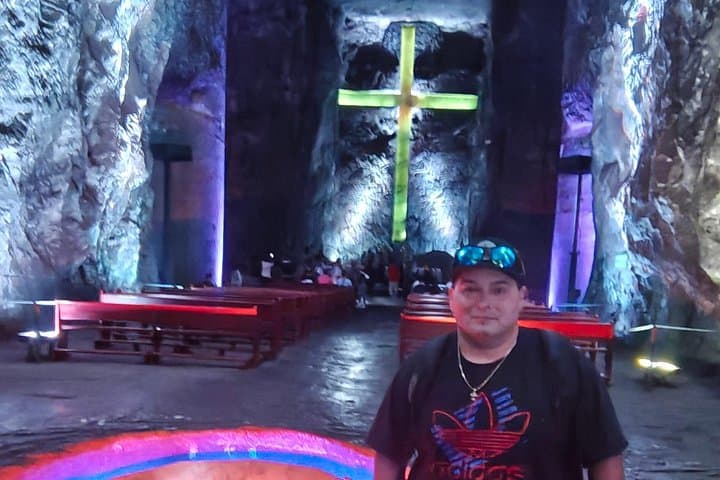
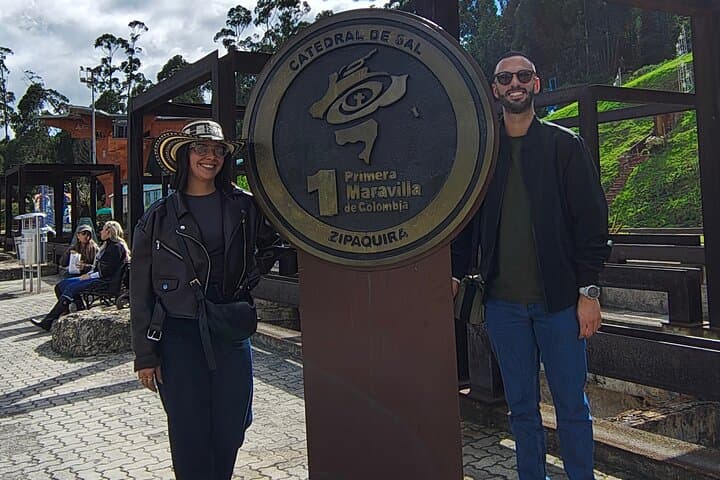
You arrive on a high Andean morning as the road eases north from Bogotá and the city’s noise thins into farmland and low scrub. The vehicle winds up to Zipaquirá and then down toward the mine entrance; inside, the cavern breathes cool and still, salt walls glowing under focused light. Walking corridors cut into halite, the mined galleries guide you from the open plaza into a subterranean cathedral where carved Stations of the Cross and lit chambers shape a solemn route.
You arrive on a high Andean morning as the road eases north from Bogotá and the city’s noise thins into farmland and low scrub. The vehicle winds up to Zipaquirá and then down toward the mine entrance; inside, the cavern breathes cool and still, salt walls glowing under focused light. Walking corridors cut into halite, the mined galleries guide you from the open plaza into a subterranean cathedral where carved Stations of the Cross and lit chambers shape a solemn route.
Built inside an active salt mine, the Salt Cathedral of Zipaquirá is both a religious site and an example of regional mining history that dates to pre-Colombian times — later formalized during colonial and republican eras when salt became a regional economy driver. Geologically, the cathedral sits in Miocene salt deposits; the shimmering mineral surfaces are the product of evaporitic processes millions of years old. Culturally, the site blends Catholic ritual with local labor history: miners’ tools and engineering are visible alongside carved altars.
Practically, this private full-day tour from Bogotá covers round-trip transport, admission and a guided route through the main chambers with time to visit the town’s central plaza. Expect stairs, ramps and a cooler, damp microclimate underground; bring a jacket and good footwear. Tours typically last about seven hours including transfers; plan for moderate exertion at altitude and allow extra time for photos and a stop in Zipaquirá’s market for snacks or souvenirs.