THE ADVENTURE COLLECTIVE® · Independent discovery and booking for outdoor travel

A full-day private drive from Rome along the Amalfi Coast to Positano, followed by a guided tour of the remarkably preserved ruins of Pompeii. Expect coastal vistas, historic streets, and significant walking on uneven terrain.
A full-day private drive from Rome along the Amalfi Coast to Positano, followed by a guided tour of the remarkably preserved ruins of Pompeii. Expect coastal vistas, historic streets, and significant walking on uneven terrain.
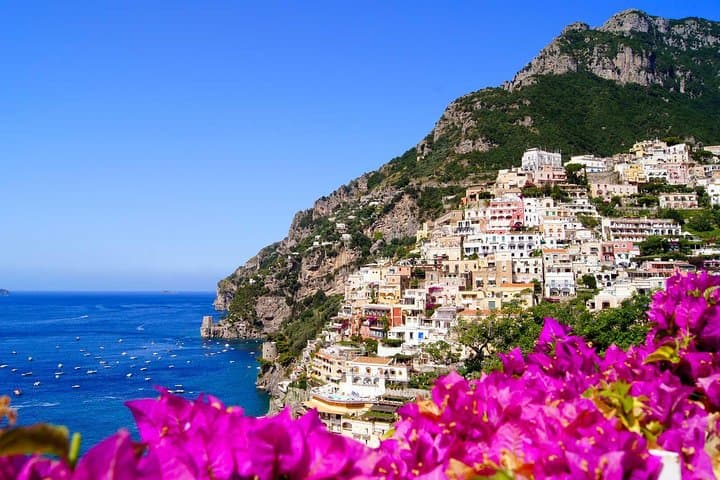
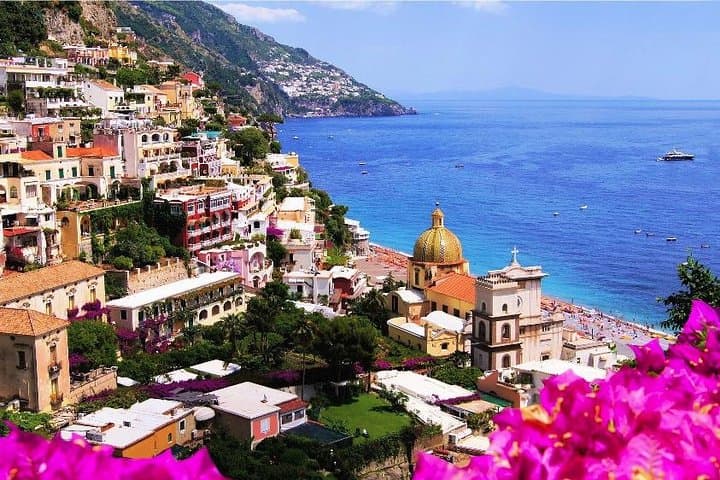
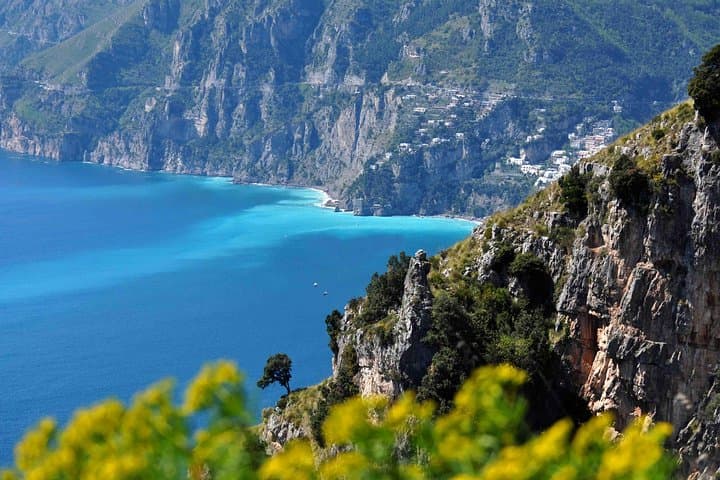
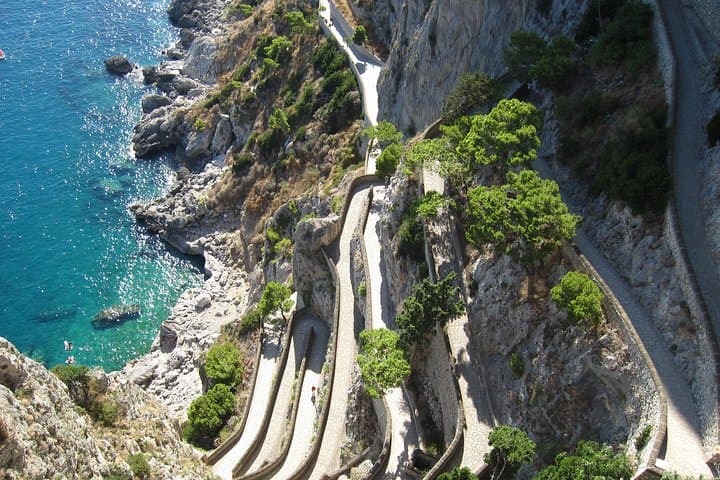
You leave Rome before dawn and the city’s stone cools behind you as the autostrada gives way to coastal switchbacks. The road threads the Lattari Mountains and suddenly the Mediterranean opens: cliffs of rust and green drop to a ribbon of beach while bougainvillea and lemon trees scent the air. Positano arrives like a discovered painting — terraces of pastel houses clinging to the slope, narrow stairways spilling toward the sea.
Verified experiences and guided adventures in the surrounding area.
Operated by AcrossRome · Positano, Campania
You leave Rome before dawn and the city’s stone cools behind you as the autostrada gives way to coastal switchbacks. The road threads the Lattari Mountains and suddenly the Mediterranean opens: cliffs of rust and green drop to a ribbon of beach while bougainvillea and lemon trees scent the air. Positano arrives like a discovered painting — terraces of pastel houses clinging to the slope, narrow stairways spilling toward the sea.
The day pairs two distinct historical notes: Positano’s centuries of coastal craft and cloth-making, and Pompeii’s sudden, precise freeze-frame of Roman life after Vesuvius’ AD 79 eruption. Geology here is obvious — volcanic soils feed citrus and vineyards, while pumice and ash preserved mosaics, frescoes, and daily objects in an archaeological clarity rarely found elsewhere.
Culturally, expect craftspeople selling ceramics, hand-stitched linen and sandals in Positano, then a shift to archaeology at Pompeii, where an official guide walks you through forum ruins, houses with painted walls and casts of the lost inhabitants.
Practicalities: this is a long day (about 12 hours) with significant walking on uneven surfaces and many steps. Wear supportive shoes, bring water, sun protection and a light layer for coastal breezes. Plan minimal luggage — the vehicle is private and air-conditioned, but roads are narrow and parking limited. Timing matters: aim for earlier departures to avoid the midafternoon crowds in Pompeii and the hottest hours along the Amalfi coastline.
moderate.
12 hours.
Moderate fitness — comfortable walking for several hours and negotiating stairs and uneven surfaces
The tour includes a private official guide inside Pompeii; confirm whether entrance is included with your booking and try to secure timed entry via the operator to minimize lines.
Expect several hours on foot, including staircases and uneven volcanic surfaces; the operator recommends moderate fitness and comfortable shoes.
Pickup is provided from accommodations in Rome — confirm your exact pickup point when booking and allow time for city traffic.
Bottled water is included, but lunch and other meals are typically not — plan for a seaside lunch in Positano or bring snacks.
Pompeii preserves Roman urban life frozen by Vesuvius’ AD 79 eruption; Positano evolved as a fishing village and later a 20th-century fashion and craft center.
Archaeological preservation at Pompeii requires visitor limits and careful foot traffic; support local businesses and avoid touching frescoes or artifacts.
AcrossRome operates guided outdoor trips and adventures with an emphasis on safety, stewardship, and memorable experiences.
You leave Rome before dawn and the city’s stone cools behind you as the autostrada gives way to coastal switchbacks. The road threads the Lattari Mountains and suddenly the Mediterranean opens: cliffs of rust and green drop to a ribbon of beach while bougainvillea and lemon trees scent the air. Positano arrives like a discovered painting — terraces of pastel houses clinging to the slope, narrow stairways spilling toward the sea.
You leave Rome before dawn and the city’s stone cools behind you as the autostrada gives way to coastal switchbacks. The road threads the Lattari Mountains and suddenly the Mediterranean opens: cliffs of rust and green drop to a ribbon of beach while bougainvillea and lemon trees scent the air. Positano arrives like a discovered painting — terraces of pastel houses clinging to the slope, narrow stairways spilling toward the sea.
The day pairs two distinct historical notes: Positano’s centuries of coastal craft and cloth-making, and Pompeii’s sudden, precise freeze-frame of Roman life after Vesuvius’ AD 79 eruption. Geology here is obvious — volcanic soils feed citrus and vineyards, while pumice and ash preserved mosaics, frescoes, and daily objects in an archaeological clarity rarely found elsewhere.
Culturally, expect craftspeople selling ceramics, hand-stitched linen and sandals in Positano, then a shift to archaeology at Pompeii, where an official guide walks you through forum ruins, houses with painted walls and casts of the lost inhabitants.
Practicalities: this is a long day (about 12 hours) with significant walking on uneven surfaces and many steps. Wear supportive shoes, bring water, sun protection and a light layer for coastal breezes. Plan minimal luggage — the vehicle is private and air-conditioned, but roads are narrow and parking limited. Timing matters: aim for earlier departures to avoid the midafternoon crowds in Pompeii and the hottest hours along the Amalfi coastline.