THE ADVENTURE COLLECTIVE® · Independent discovery and booking for outdoor travel

Explore Rethymno’s Venetian alleys, visit the historic Arkadi Monastery, and watch potters at work in Margarites on a private 7–8 hour day trip. This cultural route combines short walks with in-van transfers, olive-oil tasting, and flexible pickups from Heraklion or Rethymno.
Explore Rethymno’s Venetian alleys, visit the historic Arkadi Monastery, and watch potters at work in Margarites on a private 7–8 hour day trip. This cultural route combines short walks with in-van transfers, olive-oil tasting, and flexible pickups from Heraklion or Rethymno.
A salt-sweet wind pushes through a narrow Venetian alley as the morning light slides across weathered shutters and the Old Harbour’s lighthouse keeps watch. Walking Rethymno’s stone lanes feels like following a map of layered histories—Ottoman baths, Venetian balconies, tavernas where the day is measured in small plates and slow conversation.
Verified experiences and guided adventures in the surrounding area.
Operated by SunSud Tours · Rethymno, Crete
A salt-sweet wind pushes through a narrow Venetian alley as the morning light slides across weathered shutters and the Old Harbour’s lighthouse keeps watch. Walking Rethymno’s stone lanes feels like following a map of layered histories—Ottoman baths, Venetian balconies, tavernas where the day is measured in small plates and slow conversation.
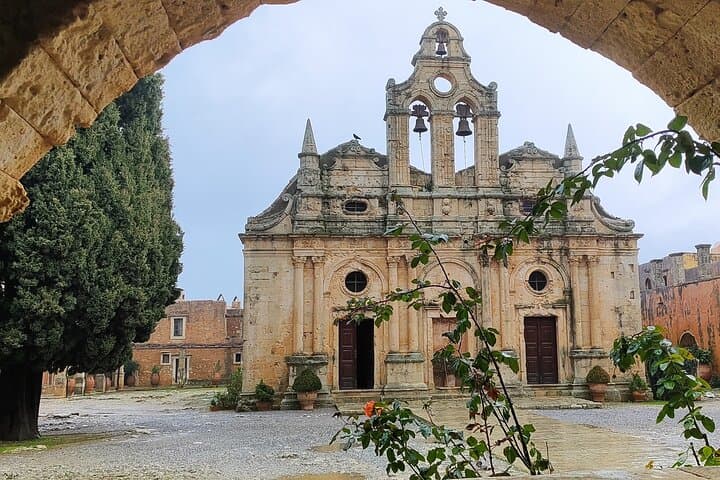
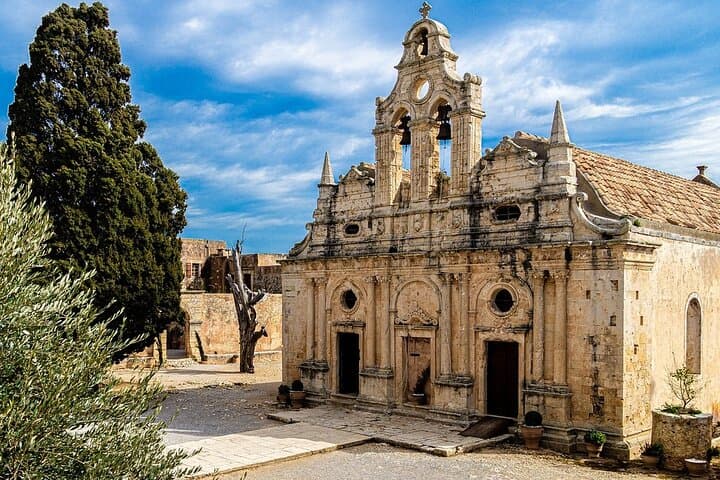
The route moves inland toward Arkadi Monastery, a 16th-century complex whose courtyard and church mark a pivotal moment in Cretan resistance during the 1866 uprising. Nearby, the archaeological site of Eleutherna reveals deep Bronze Age occupation and offers a glimpse at the island’s millennia-long human story carved into limestone slopes.
Margarites pottery village is a cultural counterpoint: clay under callused hands, wood-fired kilns, and shops where local techniques persist. Geologically, central-west Crete is a band of folded limestone and chert; narrow gorges and terraced hillsides shape the roads between stone villages and olive groves.
Practically, expect a full 7–8 hour private day with hotel or port pickup, multiple short walks on cobbles, and seated time in a comfortable van. Wear sturdy shoes for uneven alleys, bring sun protection and a refillable water bottle, and plan for modest museum and monastery entrances.
Timing matters—early starts avoid heat and cruise crowds; late-afternoon departures catch softer light in Rethymno. A local driver-guide will manage logistics and can arrange a licensed archaeological guide on request for deeper context. The trip pairs cultural immersion with low-impact travel: buy a ceramic, taste olive oil, and leave sites intact for the next visitor.
easy.
7–8 hours.
Suitable for travelers in normal walking condition; involves short, low-elevation walks and standing in museums or courtyards.
Private pickup and drop-off are provided from Heraklion, Rethymno, cruise ports, or designated hotels—confirm your exact pickup point when booking.
Admission is typically not included; the itinerary notes when entry is optional—bring cash or card as required.
The transportation is wheelchair accessible, but some historic sites and cobbled alleys may have limited access—notify the operator to arrange suitable accommodations.
Yes; Greek law requires licensed guides inside archaeological sites—your driver-guide can arrange one on request (additional fee may apply).
Arkadi Monastery is a national symbol of Cretan resistance after an 1866 siege; Eleutherna preserves Bronze Age to Roman layers reflecting long human occupation.
Support local crafts and paid-site maintenance; avoid removing artifacts, stick to marked paths, and minimize single-use plastics to protect fragile archaeological and rural landscapes.
SunSud Tours operates guided outdoor trips and adventures with an emphasis on safety, stewardship, and memorable experiences.
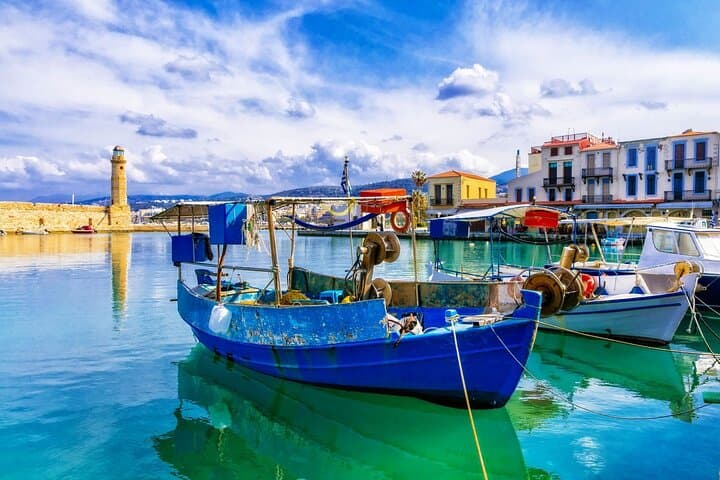
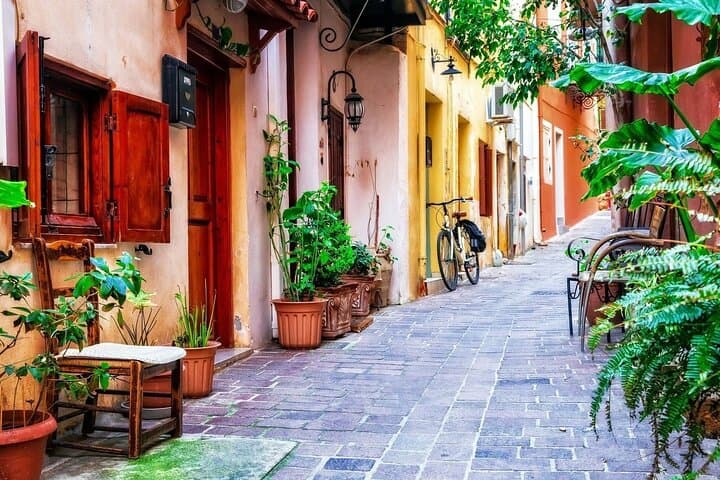
A salt-sweet wind pushes through a narrow Venetian alley as the morning light slides across weathered shutters and the Old Harbour’s lighthouse keeps watch. Walking Rethymno’s stone lanes feels like following a map of layered histories—Ottoman baths, Venetian balconies, tavernas where the day is measured in small plates and slow conversation.
A salt-sweet wind pushes through a narrow Venetian alley as the morning light slides across weathered shutters and the Old Harbour’s lighthouse keeps watch. Walking Rethymno’s stone lanes feels like following a map of layered histories—Ottoman baths, Venetian balconies, tavernas where the day is measured in small plates and slow conversation.
The route moves inland toward Arkadi Monastery, a 16th-century complex whose courtyard and church mark a pivotal moment in Cretan resistance during the 1866 uprising. Nearby, the archaeological site of Eleutherna reveals deep Bronze Age occupation and offers a glimpse at the island’s millennia-long human story carved into limestone slopes.
Margarites pottery village is a cultural counterpoint: clay under callused hands, wood-fired kilns, and shops where local techniques persist. Geologically, central-west Crete is a band of folded limestone and chert; narrow gorges and terraced hillsides shape the roads between stone villages and olive groves.
Practically, expect a full 7–8 hour private day with hotel or port pickup, multiple short walks on cobbles, and seated time in a comfortable van. Wear sturdy shoes for uneven alleys, bring sun protection and a refillable water bottle, and plan for modest museum and monastery entrances.
Timing matters—early starts avoid heat and cruise crowds; late-afternoon departures catch softer light in Rethymno. A local driver-guide will manage logistics and can arrange a licensed archaeological guide on request for deeper context. The trip pairs cultural immersion with low-impact travel: buy a ceramic, taste olive oil, and leave sites intact for the next visitor.