THE ADVENTURE COLLECTIVE® · Independent discovery and booking for outdoor travel

Escape Marrakech for a single-day loop through three Atlas valleys—Ourika, Oukaimeden and Asni—where rivers, high ridgelines and Berber villages offer varied hiking, culture and photo stops. This private tour balances short walks with cultural visits and a homemade lunch.
Escape Marrakech for a single-day loop through three Atlas valleys—Ourika, Oukaimeden and Asni—where rivers, high ridgelines and Berber villages offer varied hiking, culture and photo stops. This private tour balances short walks with cultural visits and a homemade lunch.
A morning pickup in Marrakech dissolves the city’s ochre walls and the road pushes east toward cooling air and high stone. By the time the first palms thin, the driver has traded riad tiles for terraced fields and a river that dares you to slow down. The day stitches three distinct Atlas Valley classrooms: Ourika’s rivers and waterfalls, Oukaimeden’s open alpine bowls, and Asni’s orchards and souks.
Verified experiences and guided adventures in the surrounding area.
Operated by ToDiscoverMarrakech · Marrakech, Marrakech-Safi
A morning pickup in Marrakech dissolves the city’s ochre walls and the road pushes east toward cooling air and high stone. By the time the first palms thin, the driver has traded riad tiles for terraced fields and a river that dares you to slow down. The day stitches three distinct Atlas Valley classrooms: Ourika’s rivers and waterfalls, Oukaimeden’s open alpine bowls, and Asni’s orchards and souks.
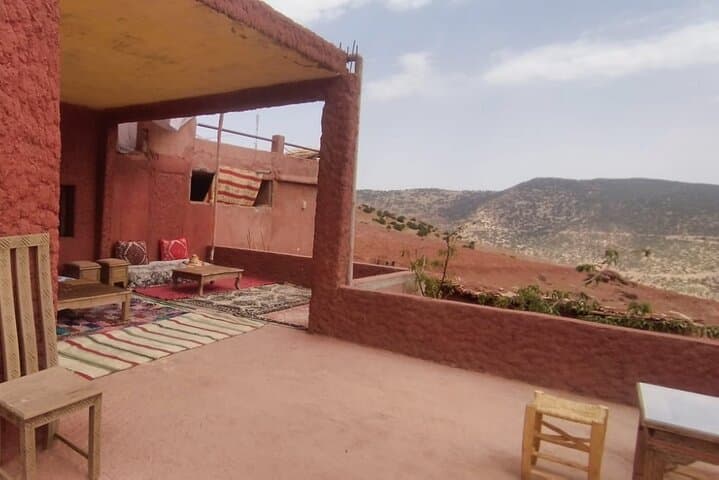
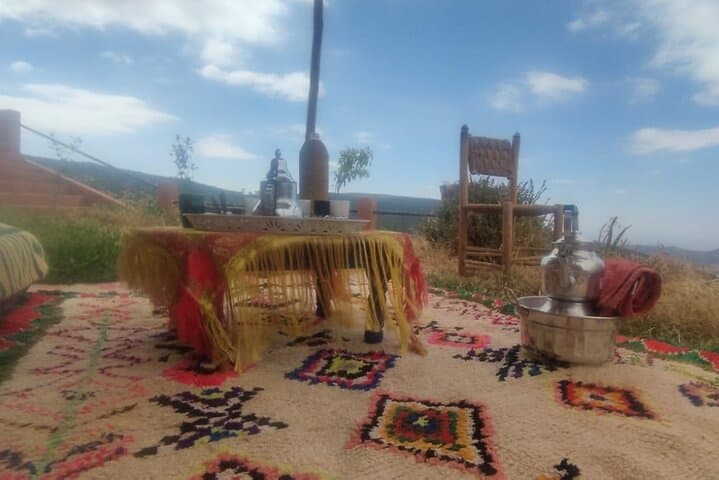
These valleys sit on folded Mesozoic and Precambrian rocks uplifted by the Atlas orogeny; peaks still wear winter snow while lower terraces support cereal and fruit cultivation. Berber (Amazigh) communities have farmed these slopes for centuries — stone-and-clay homes, communal ovens, and argan presses are part of everyday life. Local women’s co-ops press argan oil and sell woven goods, and a stop for mint tea in a family home offers grounded cultural context.
Expect multiple photo stops, short walks to viewpoints and, if time allows, the Setti Fatma cascades. Terrain ranges from paved valley roads to short, rocky walking paths — nothing technical, but surfaces can be uneven and damp near streams.
Practical edge: the full loop is a long day (9–10 hours) with several short hikes; bring layered clothing for temperature swings, a reusable water bottle, and cash for small purchases at village stalls. Aim to travel midweek to avoid weekend crowds at popular viewpoints and plan departures early to maximize light and roadside stops.
moderate.
9–10 hours.
Suitable for travelers with moderate fitness who can handle several short walks on uneven terrain and a full day in the field.
Pickup is from accommodations in Marrakech with return to the same point; confirm your exact pickup location when booking.
Yes, if they are comfortable with a long day in a vehicle and short walks on uneven ground; inform the operator of special needs.
Snow is seasonal—likely in winter months (December–March) at higher elevations; the rest of the year offers clear alpine views without snowpack.
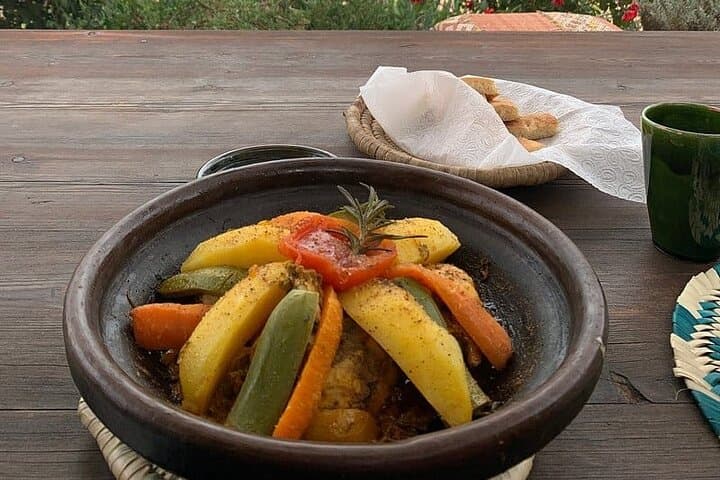
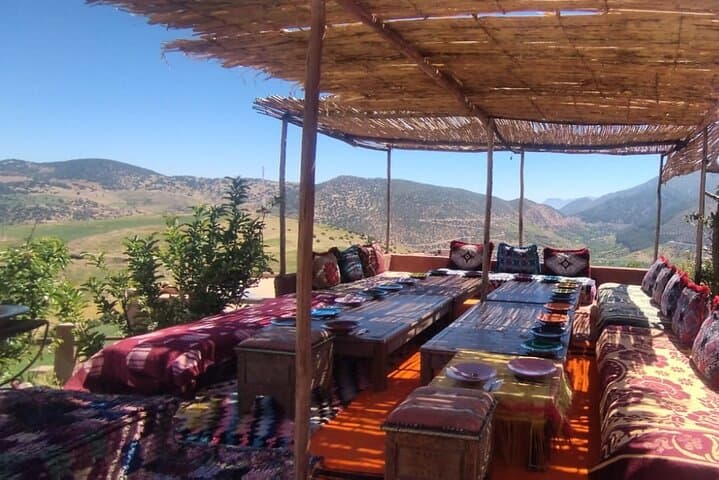
A homemade lunch is included; bring snacks and water for the road as additional provisions may be limited between stops.
The Atlas valleys have long been inhabited by Amazigh (Berber) communities whose terrace farming and argan production shaped the local economy and settlement patterns.
Tourism supports local cooperatives but can strain water and trails—pack out waste, avoid single-use plastics, and buy local products to support villages.
ToDiscoverMarrakech operates guided outdoor trips and adventures with an emphasis on safety, stewardship, and memorable experiences.
A morning pickup in Marrakech dissolves the city’s ochre walls and the road pushes east toward cooling air and high stone. By the time the first palms thin, the driver has traded riad tiles for terraced fields and a river that dares you to slow down. The day stitches three distinct Atlas Valley classrooms: Ourika’s rivers and waterfalls, Oukaimeden’s open alpine bowls, and Asni’s orchards and souks.
A morning pickup in Marrakech dissolves the city’s ochre walls and the road pushes east toward cooling air and high stone. By the time the first palms thin, the driver has traded riad tiles for terraced fields and a river that dares you to slow down. The day stitches three distinct Atlas Valley classrooms: Ourika’s rivers and waterfalls, Oukaimeden’s open alpine bowls, and Asni’s orchards and souks.
These valleys sit on folded Mesozoic and Precambrian rocks uplifted by the Atlas orogeny; peaks still wear winter snow while lower terraces support cereal and fruit cultivation. Berber (Amazigh) communities have farmed these slopes for centuries — stone-and-clay homes, communal ovens, and argan presses are part of everyday life. Local women’s co-ops press argan oil and sell woven goods, and a stop for mint tea in a family home offers grounded cultural context.
Expect multiple photo stops, short walks to viewpoints and, if time allows, the Setti Fatma cascades. Terrain ranges from paved valley roads to short, rocky walking paths — nothing technical, but surfaces can be uneven and damp near streams.
Practical edge: the full loop is a long day (9–10 hours) with several short hikes; bring layered clothing for temperature swings, a reusable water bottle, and cash for small purchases at village stalls. Aim to travel midweek to avoid weekend crowds at popular viewpoints and plan departures early to maximize light and roadside stops.