THE ADVENTURE COLLECTIVE® · Independent discovery and booking for outdoor travel

A private full-day drive from Český Krumlov delivers concentrated historical context and up to four hours of focused time at Mauthausen Memorial. Expect quarry views, preserved barracks, and a museum that traces the camp’s construction and legacy.
A private full-day drive from Český Krumlov delivers concentrated historical context and up to four hours of focused time at Mauthausen Memorial. Expect quarry views, preserved barracks, and a museum that traces the camp’s construction and legacy.
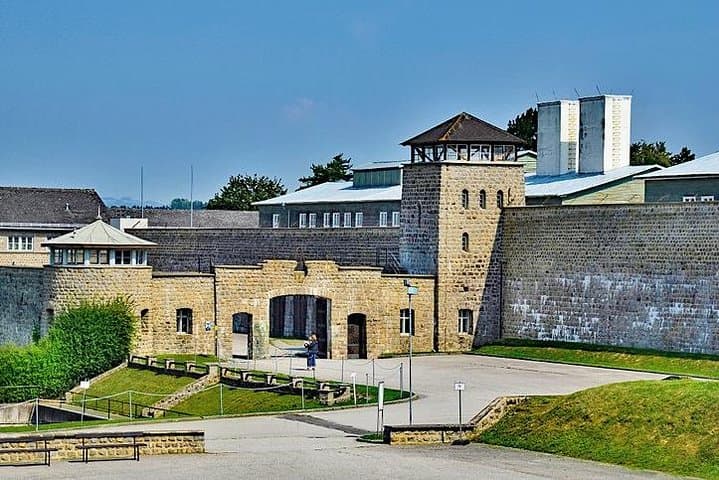
You arrive from Český Krumlov by private car and the road eases you down toward the Danube valley; the final approach opens onto a low plateau where the camp’s stone terraces and quarry faces keep a quiet, heavy presence. The air often tastes of river and cold stone—an appropriate counterpoint to one of Europe’s most somber memorials.
Verified experiences and guided adventures in the surrounding area.
Operated by Jan Stehlik - Pension Sebastian Tours & Transport · Mauthausen, Upper Austria
You arrive from Český Krumlov by private car and the road eases you down toward the Danube valley; the final approach opens onto a low plateau where the camp’s stone terraces and quarry faces keep a quiet, heavy presence. The air often tastes of river and cold stone—an appropriate counterpoint to one of Europe’s most somber memorials.
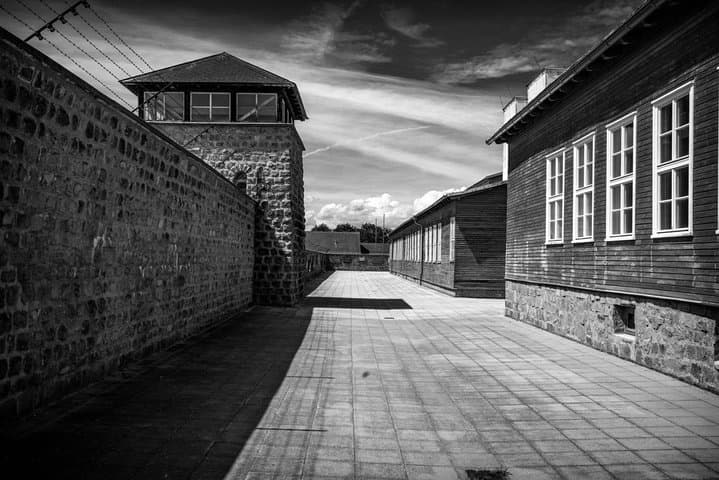
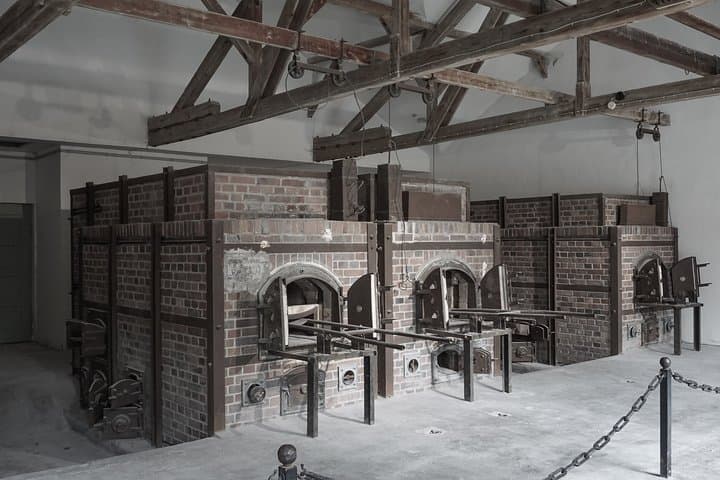
Mauthausen was established in 1938 and became one of the largest labor and extermination sites in Austria. The camp sits against veins of granite whose steep quarries were where prisoners were forced to haul heavy stone; those geological scars remain visible and form part of the museum’s interpretation. Local culture reflects a long process of remembrance: plaques, preserved barracks, and educational exhibits guide visitors through archival photographs, personal objects, and the reconstructed camp layout.
On a private day trip from Český Krumlov you’ll get up to four hours on site to visit the museum, barracks, memorial plazas and the quarry viewpoint with time to process the visit away from larger tour groups.
Practical guidance: Plan for roughly 5–7 hours total trip time including transport, and wear sturdy, comfortable shoes—paths are uneven and include stone steps. Respect signage and silence zones; some areas limit photography. Bring identification and any needed documentation for cross-border travel, and allow time for quiet reflection at plaques and memorial spaces.
easy.
5–7 hours.
Light fitness needed—ability to walk on uneven surfaces for several hours and sit during transfers.
Admission is not included in the tour price—your private transfer provides up to four hours free time to explore the memorial and museum independently.
The tour is physically accessible for most ages, but the subject matter is traumatic; parents should assess maturity before visiting and use discretion with young children.
Expect the round trip and visit to take about 5–7 hours total; driving time one-way is typically around 1.5–2 hours depending on border formalities and traffic.
Photography is allowed in many outdoor areas and parts of the museum, but some indoor exhibits or designated memorial zones restrict images—follow posted signs and staff instructions.
Mauthausen was founded in 1938 as a labor camp; prisoners were forced to quarry local granite and the site became notorious for its harsh conditions and high mortality.
The memorial is maintained as an educational and commemorative site—stick to paths, avoid disturbing artifacts and consider supporting the museum’s conservation programs.
Jan Stehlik - Pension Sebastian Tours & Transport operates guided outdoor trips and adventures with an emphasis on safety, stewardship, and memorable experiences.
You arrive from Český Krumlov by private car and the road eases you down toward the Danube valley; the final approach opens onto a low plateau where the camp’s stone terraces and quarry faces keep a quiet, heavy presence. The air often tastes of river and cold stone—an appropriate counterpoint to one of Europe’s most somber memorials.
You arrive from Český Krumlov by private car and the road eases you down toward the Danube valley; the final approach opens onto a low plateau where the camp’s stone terraces and quarry faces keep a quiet, heavy presence. The air often tastes of river and cold stone—an appropriate counterpoint to one of Europe’s most somber memorials.
Mauthausen was established in 1938 and became one of the largest labor and extermination sites in Austria. The camp sits against veins of granite whose steep quarries were where prisoners were forced to haul heavy stone; those geological scars remain visible and form part of the museum’s interpretation. Local culture reflects a long process of remembrance: plaques, preserved barracks, and educational exhibits guide visitors through archival photographs, personal objects, and the reconstructed camp layout.
On a private day trip from Český Krumlov you’ll get up to four hours on site to visit the museum, barracks, memorial plazas and the quarry viewpoint with time to process the visit away from larger tour groups.
Practical guidance: Plan for roughly 5–7 hours total trip time including transport, and wear sturdy, comfortable shoes—paths are uneven and include stone steps. Respect signage and silence zones; some areas limit photography. Bring identification and any needed documentation for cross-border travel, and allow time for quiet reflection at plaques and memorial spaces.