THE ADVENTURE COLLECTIVE® · Independent discovery and booking for outdoor travel

Spend a full day exploring Saqqara’s Step Pyramid, the open-air ruins of Memphis, and the iconic Giza plateau with a private guide, lunch, and an optional camel ride. This eight‑hour route pairs hands-on history with practical travel tips.
Spend a full day exploring Saqqara’s Step Pyramid, the open-air ruins of Memphis, and the iconic Giza plateau with a private guide, lunch, and an optional camel ride. This eight‑hour route pairs hands-on history with practical travel tips.
The morning light slants across ochre limestone as the driver slips out of Cairo and the city noise thins to a long, dry breath. By the time you reach Saqqara the desert seems to lean in — the Step Pyramid of Djoser rising like an early experiment in stone, edges blunt from four millennia of sun and wind.
Verified experiences and guided adventures in the surrounding area.
Operated by Book My Egypt Tours · Giza, Giza Governorate
The morning light slants across ochre limestone as the driver slips out of Cairo and the city noise thins to a long, dry breath. By the time you reach Saqqara the desert seems to lean in — the Step Pyramid of Djoser rising like an early experiment in stone, edges blunt from four millennia of sun and wind.
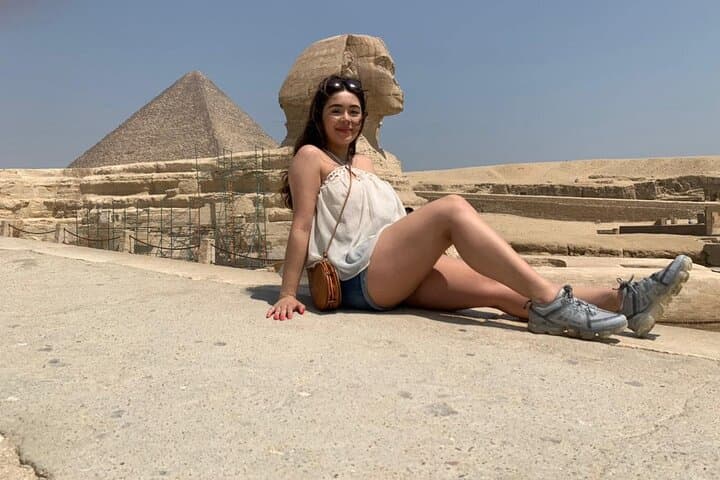
Saqqara is where Egypt moved from mudbrick mastabas to monumental stone; Imhotep’s design rewrote funerary architecture. A short drive brings you to Memphis, once the administrative heart of the Nile Valley, where the colossal seated Ramesses and the alabaster sphinx speak to imperial scale and craft. The afternoon shifts to Giza: a walk across the plateau, a chance to climb a few of the pyramid stones, and a panoramic viewpoint that frames the three major pyramids with Cairo’s modern sprawl behind them.
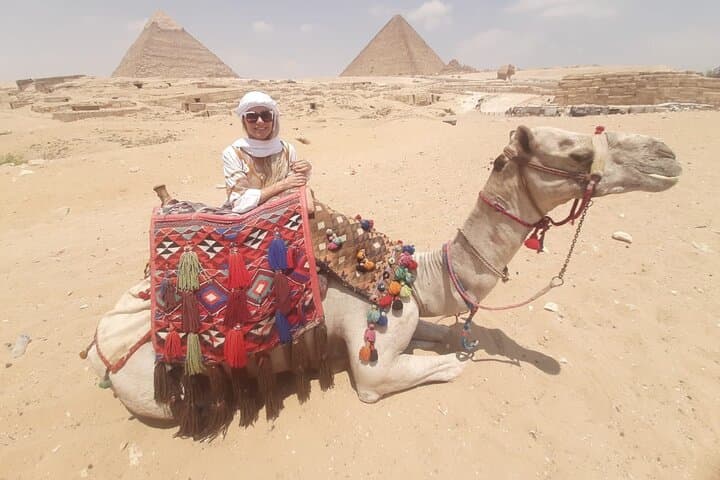
Along the way there’s a papyrus demonstration and the option for a brief camel ride — a tactile reminder that this landscape still supports living traditions.
Practical edge: this private eight-hour tour covers several open-air sites; entry fees are often separate, so carry cash or card. Wear sturdy shoes for uneven stone, bring sun protection and a refillable bottle (bottled water is usually provided). Start early to avoid the hottest hours and allow time at each site to read inscriptions and watch the desert light change the color of the monuments — it’s history you move through, not just past.
moderate.
8 hours.
Light-to-moderate fitness; expect several hours of walking on uneven, sandy terrain and short climbs.
Not usually—many tours list transport and guide services as included but expect separate admission fees for archaeological sites and optional pyramid entry.
Camel rides are often optional and brief; operators typically provide experienced handlers but riders should be steady and wear appropriate footwear.
Some pyramids allow interior visits for an additional fee and limited tickets; your guide can advise on availability and help arrange access when possible.
Suitability depends on mobility—sites involve uneven ground and steps; the tour is adaptable but interior tombs and pyramid climbs can be challenging.
Saqqara served as the necropolis for Memphis and contains Egypt’s first large-scale stone structure, the Step Pyramid of Djoser attributed to Imhotep. Memphis was Egypt’s political center for much of the Old Kingdom and showcases colossal royal statuary.
High visitor numbers and natural erosion challenge fragile surfaces—stay on marked paths, avoid touching delicate reliefs, and support guides who emphasize preservation.
Book My Egypt Tours operates guided outdoor trips and adventures with an emphasis on safety, stewardship, and memorable experiences.


The morning light slants across ochre limestone as the driver slips out of Cairo and the city noise thins to a long, dry breath. By the time you reach Saqqara the desert seems to lean in — the Step Pyramid of Djoser rising like an early experiment in stone, edges blunt from four millennia of sun and wind.
The morning light slants across ochre limestone as the driver slips out of Cairo and the city noise thins to a long, dry breath. By the time you reach Saqqara the desert seems to lean in — the Step Pyramid of Djoser rising like an early experiment in stone, edges blunt from four millennia of sun and wind.
Saqqara is where Egypt moved from mudbrick mastabas to monumental stone; Imhotep’s design rewrote funerary architecture. A short drive brings you to Memphis, once the administrative heart of the Nile Valley, where the colossal seated Ramesses and the alabaster sphinx speak to imperial scale and craft. The afternoon shifts to Giza: a walk across the plateau, a chance to climb a few of the pyramid stones, and a panoramic viewpoint that frames the three major pyramids with Cairo’s modern sprawl behind them.
Along the way there’s a papyrus demonstration and the option for a brief camel ride — a tactile reminder that this landscape still supports living traditions.
Practical edge: this private eight-hour tour covers several open-air sites; entry fees are often separate, so carry cash or card. Wear sturdy shoes for uneven stone, bring sun protection and a refillable bottle (bottled water is usually provided). Start early to avoid the hottest hours and allow time at each site to read inscriptions and watch the desert light change the color of the monuments — it’s history you move through, not just past.