THE ADVENTURE COLLECTIVE® · Independent discovery and booking for outdoor travel

Spend a polished day away from Prague exploring Dresden’s rebuilt baroque center, Old Masters collection, and sweeping Elbe vistas on this private guided tour. Expect comfortable urban walking, focused museum time, and a relaxed return to Prague within a nine‑hour day.
Spend a polished day away from Prague exploring Dresden’s rebuilt baroque center, Old Masters collection, and sweeping Elbe vistas on this private guided tour. Expect comfortable urban walking, focused museum time, and a relaxed return to Prague within a nine‑hour day.
A morning departure from Prague eases you onto the motorway and toward the Elbe, the river that has shaped Dresden’s streets and outlook for centuries. By midmorning the baroque roofs and sculpted façades come into view; the city’s skyline—dominated by the Frauenkirche and the Zwinger—unfolds as you walk from the old bridge up to Brühl’s Terrace, the so‑called "balcony of Europe."
Verified experiences and guided adventures in the surrounding area.
Operated by Thomas Travel · Dresden, Saxony
A morning departure from Prague eases you onto the motorway and toward the Elbe, the river that has shaped Dresden’s streets and outlook for centuries. By midmorning the baroque roofs and sculpted façades come into view; the city’s skyline—dominated by the Frauenkirche and the Zwinger—unfolds as you walk from the old bridge up to Brühl’s Terrace, the so‑called "balcony of Europe."
Dresden’s story is one of reinvention: a wealthy Saxon capital whose collections of Old Masters and porcelain reflect 700 years of courtly patronage, then devastation in World War II, followed by meticulous restoration in the late 20th century. Geology matters here too—the Elbe flows through a broad valley carved into sandstone and loess soils, which historically directed trade and settlement.
Culture is visible in small details—café counters serving stollen, brass plaques marking rebuilt façades, and museums where restoration techniques are part of the exhibit. Local insights: climb a short flight to the terrace for wide Elbe views, linger at the Old Masters Gallery for Rembrandt and Raphael, and cross the Augustus Bridge to watch river traffic negotiating the current that keeps Dresden moving.
Practical guidance: this private day tour is mostly flat urban walking on cobbles and paved promenades; expect about two–three hours of on‑foot exploration inside a nine‑hour round trip. Bring comfortable shoes, a charged phone for photos and tickets, and a light layer—the Elbe valley can be breezy. Confirm pickup details in Prague and carry ID for cross‑border travel; mobility‑accessible options are advertised for most groups.
easy.
9 hours.
Light fitness required—suitable for most walkers comfortable with 2–3 hours of urban walking and short stair sections.
Pickup is arranged in Prague at a confirmed meeting point; the tour returns to the original pickup area at the end of the day.
The tour listing notes wheelchair and stroller accessibility, though some historic sites include short ramps or alternative routes—confirm requirements at booking.
Expect roughly 2–3 hours of walking in Dresden on paved and cobbled surfaces, with frequent stops at viewpoints and museums.
The itinerary indicates admission is included for the main Old Masters visit; verify specifics for any optional sites when you book.
Dresden grew as the seat of Saxon electors and kings; its art collections and palaces reflect centuries of courtly investment, later rebuilt after WWII destruction.
Increased visitor flow has prompted local initiatives to protect riverside habitats and manage foot traffic through sensitive historic zones—stick to paths and use public transport where possible.
Thomas Travel operates guided outdoor trips and adventures with an emphasis on safety, stewardship, and memorable experiences.
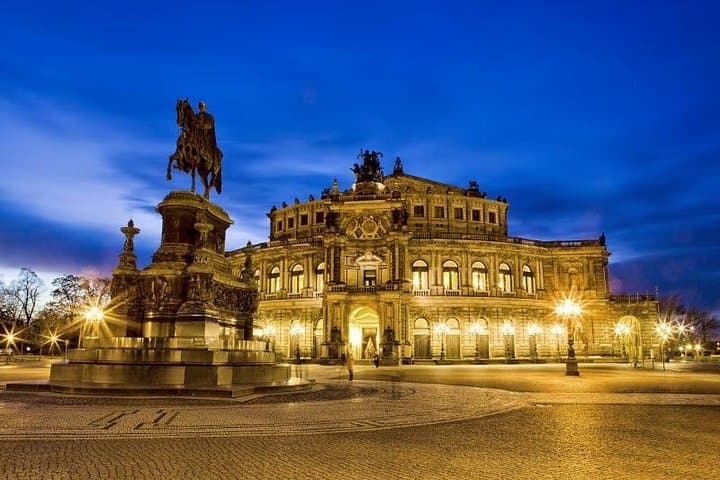
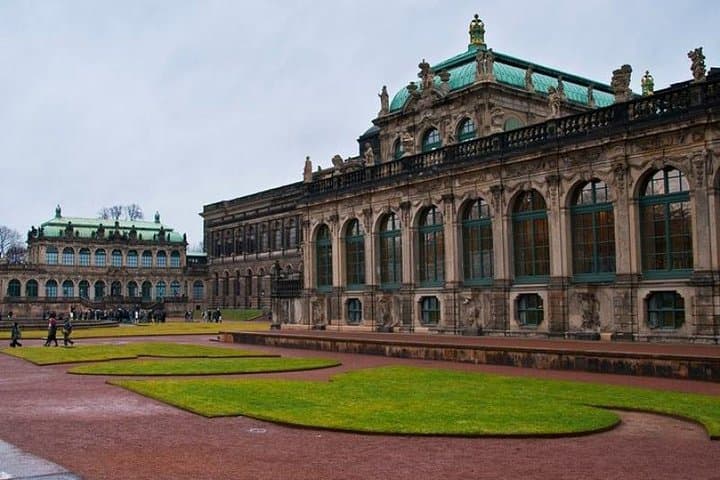
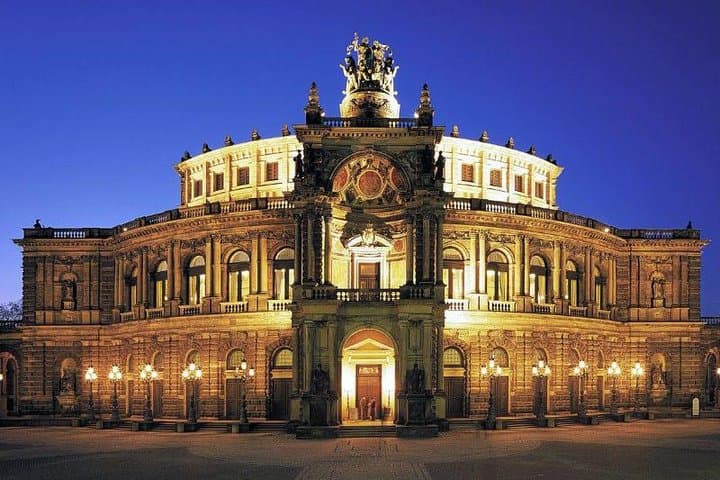
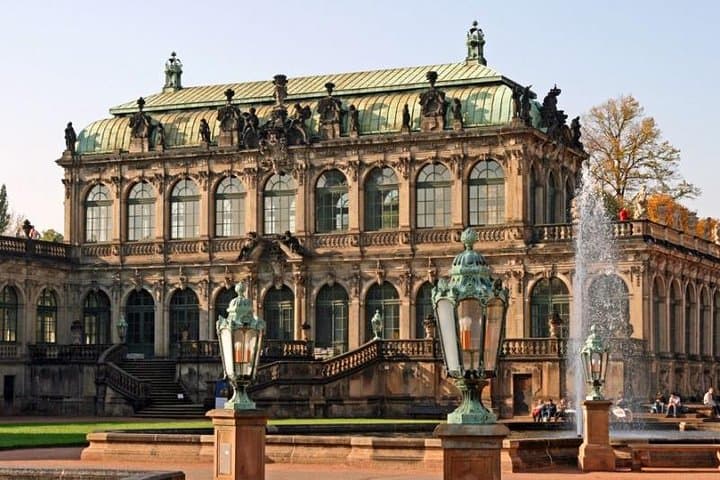
A morning departure from Prague eases you onto the motorway and toward the Elbe, the river that has shaped Dresden’s streets and outlook for centuries. By midmorning the baroque roofs and sculpted façades come into view; the city’s skyline—dominated by the Frauenkirche and the Zwinger—unfolds as you walk from the old bridge up to Brühl’s Terrace, the so‑called "balcony of Europe."
A morning departure from Prague eases you onto the motorway and toward the Elbe, the river that has shaped Dresden’s streets and outlook for centuries. By midmorning the baroque roofs and sculpted façades come into view; the city’s skyline—dominated by the Frauenkirche and the Zwinger—unfolds as you walk from the old bridge up to Brühl’s Terrace, the so‑called "balcony of Europe."
Dresden’s story is one of reinvention: a wealthy Saxon capital whose collections of Old Masters and porcelain reflect 700 years of courtly patronage, then devastation in World War II, followed by meticulous restoration in the late 20th century. Geology matters here too—the Elbe flows through a broad valley carved into sandstone and loess soils, which historically directed trade and settlement.
Culture is visible in small details—café counters serving stollen, brass plaques marking rebuilt façades, and museums where restoration techniques are part of the exhibit. Local insights: climb a short flight to the terrace for wide Elbe views, linger at the Old Masters Gallery for Rembrandt and Raphael, and cross the Augustus Bridge to watch river traffic negotiating the current that keeps Dresden moving.
Practical guidance: this private day tour is mostly flat urban walking on cobbles and paved promenades; expect about two–three hours of on‑foot exploration inside a nine‑hour round trip. Bring comfortable shoes, a charged phone for photos and tickets, and a light layer—the Elbe valley can be breezy. Confirm pickup details in Prague and carry ID for cross‑border travel; mobility‑accessible options are advertised for most groups.