THE ADVENTURE COLLECTIVE® · Independent discovery and booking for outdoor travel

A private day trip from Prague brings you to the Auschwitz-Birkenau Memorial for a focused, solemn visit. Expect a long round-trip drive, advance ticket planning, and an emotionally intense but deeply informative experience.
A private day trip from Prague brings you to the Auschwitz-Birkenau Memorial for a focused, solemn visit. Expect a long round-trip drive, advance ticket planning, and an emotionally intense but deeply informative experience.
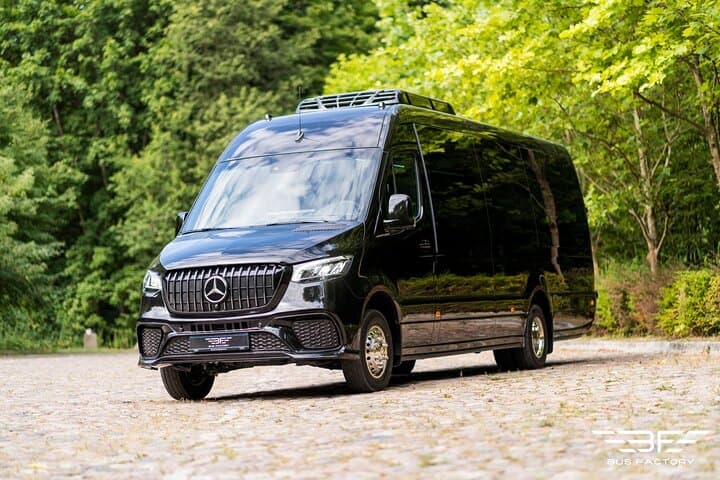
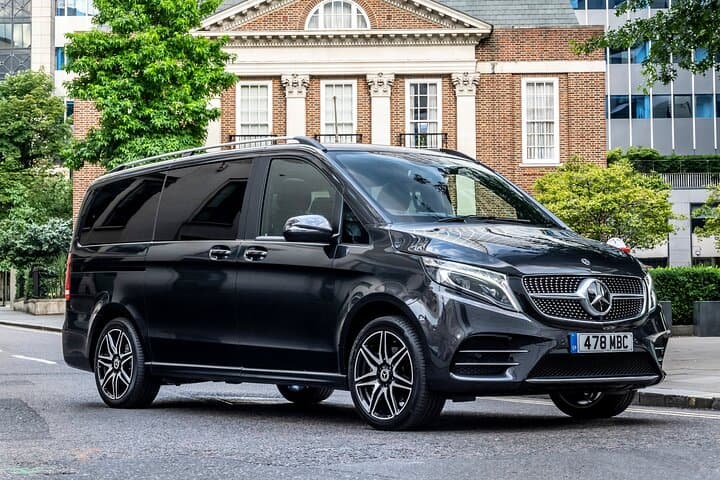
The morning begins on a quiet street in Prague as a private vehicle eases out of the city and onto the motorway, the Vltava receding in the rearview. The drive crosses the Czech countryside, then flattens into the Vistula basin; by late morning the red-brick gates of Auschwitz appear against broad fields, and the tone of the day shifts.
Verified experiences and guided adventures in the surrounding area.
Operated by Visita Praga · Oświęcim, Lesser Poland Voivodeship
The morning begins on a quiet street in Prague as a private vehicle eases out of the city and onto the motorway, the Vltava receding in the rearview. The drive crosses the Czech countryside, then flattens into the Vistula basin; by late morning the red-brick gates of Auschwitz appear against broad fields, and the tone of the day shifts.
Auschwitz I (the former concentration camp) and Auschwitz II–Birkenau (the larger extermination camp) occupy a grim chapter of 20th-century history. The sites are composed of brick administrative buildings, wooden barracks, rail tracks that once ferried deportees, and the ruined outlines of crematoria. Geologically the area is low and flat—fields and meadows that allow long sightlines; that openness amplifies the silence. Local culture in Oświęcim includes a complex postwar memory and active community efforts to preserve testimony and educate visitors.
Practical guidance: this is a long day—expect roughly 5 hours driving each way and several hours on site. Museum entry requires advance planning; many visitors need timed tickets, and passports are required for purchase. Dress respectfully and choose comfortable, closed shoes for gravel paths between barracks. Photography rules vary by building—follow signage and guides. Emotional preparation is as important as logistical planning; guided interpretation helps contextualize exhibits.
Accessibility: the itinerary notes wheelchair-accessible options and private transport. Book well in advance (2–3 months recommended for museum tickets), carry water, and allow time to process the visit en route back to Prague.
easy.
12–14 hours.
Basic fitness for long days of standing and walking over uneven ground; minimal hills.
Expect roughly 5 hours each way by private vehicle, with about 3–4 hours available on site depending on tickets and your pace.
This private transfer does not guarantee museum admission—book timed tickets in advance or coordinate with the operator to secure them.
Many paths and exhibits are wheelchair accessible, and the itinerary notes accessible transport; check specific areas in advance for ramps and accessible restrooms.
Photography is allowed in many outdoor areas but restricted in some exhibition rooms and memorial spaces—obey signage and staff instructions out of respect.
Auschwitz-Birkenau was the largest of the Nazi concentration and extermination complexes; established in 1940, it became a central site of the Holocaust and now serves as a memorial and museum.
The museum maintains strict preservation policies and visitor limits to protect structures and testimonies; visitors are asked to behave respectfully and follow signage to minimize impact.
Visita Praga operates guided outdoor trips and adventures with an emphasis on safety, stewardship, and memorable experiences.


The morning begins on a quiet street in Prague as a private vehicle eases out of the city and onto the motorway, the Vltava receding in the rearview. The drive crosses the Czech countryside, then flattens into the Vistula basin; by late morning the red-brick gates of Auschwitz appear against broad fields, and the tone of the day shifts.
The morning begins on a quiet street in Prague as a private vehicle eases out of the city and onto the motorway, the Vltava receding in the rearview. The drive crosses the Czech countryside, then flattens into the Vistula basin; by late morning the red-brick gates of Auschwitz appear against broad fields, and the tone of the day shifts.
Auschwitz I (the former concentration camp) and Auschwitz II–Birkenau (the larger extermination camp) occupy a grim chapter of 20th-century history. The sites are composed of brick administrative buildings, wooden barracks, rail tracks that once ferried deportees, and the ruined outlines of crematoria. Geologically the area is low and flat—fields and meadows that allow long sightlines; that openness amplifies the silence. Local culture in Oświęcim includes a complex postwar memory and active community efforts to preserve testimony and educate visitors.
Practical guidance: this is a long day—expect roughly 5 hours driving each way and several hours on site. Museum entry requires advance planning; many visitors need timed tickets, and passports are required for purchase. Dress respectfully and choose comfortable, closed shoes for gravel paths between barracks. Photography rules vary by building—follow signage and guides. Emotional preparation is as important as logistical planning; guided interpretation helps contextualize exhibits.
Accessibility: the itinerary notes wheelchair-accessible options and private transport. Book well in advance (2–3 months recommended for museum tickets), carry water, and allow time to process the visit en route back to Prague.