THE ADVENTURE COLLECTIVE® · Independent discovery and booking for outdoor travel

Spend a full day on Morocco’s Atlantic coast—visit women-run argan cooperatives, explore Essaouira’s UNESCO medina and harbor, and enjoy fresh seafood by the water. This private transfer from Marrakech gives you time to wander, shop woodcrafts, and feel the coastal wind.
Spend a full day on Morocco’s Atlantic coast—visit women-run argan cooperatives, explore Essaouira’s UNESCO medina and harbor, and enjoy fresh seafood by the water. This private transfer from Marrakech gives you time to wander, shop woodcrafts, and feel the coastal wind.
You arrive with the Atlantic wind pushing at your jacket and the smell of salt and grilled fish guiding you toward a small crescent of boats painted bright blue. Essaouira’s harbor moves like a living postcard: fishermen hauling nets, gulls inspecting the catch, and the ramparts standing cool and gray against the sky.
Verified experiences and guided adventures in the surrounding area.
Operated by DEEP SOUTH TRAVEL · Essaouira, Marrakesh-Safi
You arrive with the Atlantic wind pushing at your jacket and the smell of salt and grilled fish guiding you toward a small crescent of boats painted bright blue. Essaouira’s harbor moves like a living postcard: fishermen hauling nets, gulls inspecting the catch, and the ramparts standing cool and gray against the sky.
Originally called Mogador, Essaouira sits 176 km west of Marrakech and takes roughly two and a half hours by road. Its medina is a UNESCO World Heritage site—a compact grid of stone alleys, cedar wood shops and whitewashed houses punctuated by Portuguese and French-era ramparts. The town’s geology is simple: coastal sandstone and clay shelves, with windswept dunes to the south that feed the kitesurfing beaches. Culture here is tactile—woodcarvers at benches, women-run argan cooperatives producing oil from local trees, and a music calendar punctuated each June by the Gnaoua festival.
A typical private day trip combines a stop at an argan cooperative to see traditional cold-pressing, a guided or free-roam walk through the medina, lunch at the port, and time on the windy beach for people-watching or checking out windsurfing. Expect cobbled streets, occasional stairs, and open-air market bargaining.
Practical notes: leave Marrakech early to avoid heat and traffic, bring layered wind protection, carry small change for crafts and food, and allow flexibility—Essaouira rewards slow exploration. The trip is low technical difficulty but high on sensory detail: the sea will tug at your pace and the town will reward it.
easy.
11 hours (full-day).
Light fitness required—comfortable walking on uneven cobbles and short stair sections.
The drive is about 2½ hours each way (approximately 176 km), depending on traffic and stops along the route.
This private day trip typically includes lunch at a local restaurant in Essaouira as stated in the itinerary.
The medina has narrow, uneven cobbles and stair sections; some areas are difficult for wheelchairs—check with the operator for tailored drop-off points.
Yes, most itineraries stop at a women-run argan cooperative where you can observe production and purchase oils and cosmetics—bring cash for smaller vendors.
Essaouira (formerly Mogador) was fortified in the 18th century by Sultan Mohammed ben Abdallah and later influenced by Portuguese and French presences; its medina is UNESCO-listed.
Support local argan cooperatives and small restaurants; avoid single-use plastics on the beach and respect protected dune vegetation to limit erosion.
DEEP SOUTH TRAVEL operates guided outdoor trips and adventures with an emphasis on safety, stewardship, and memorable experiences.
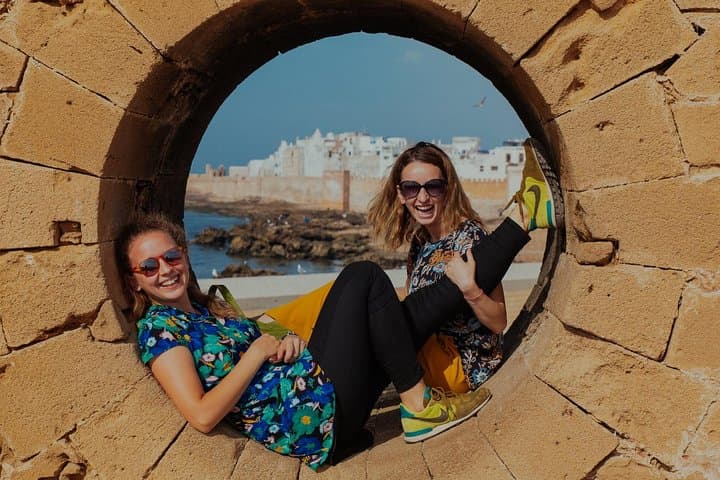
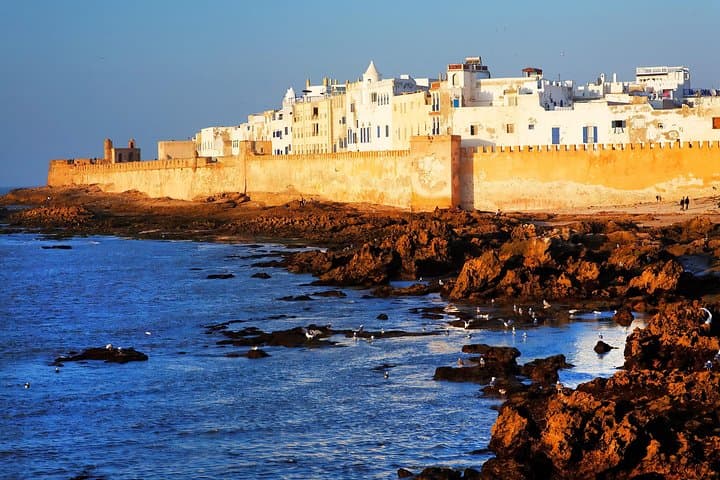
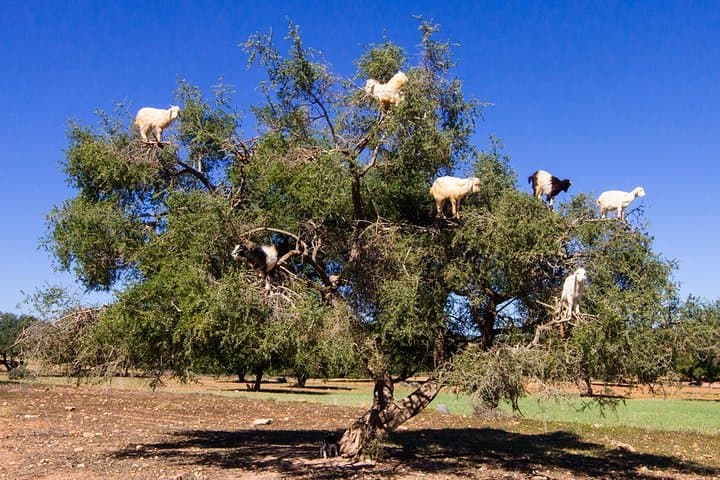
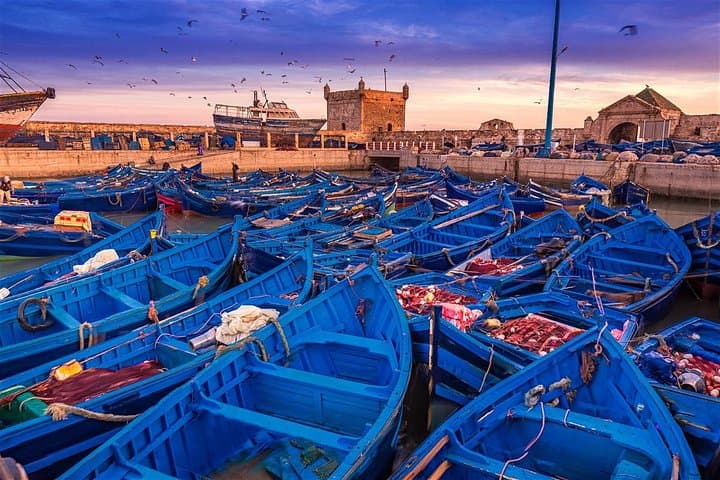
You arrive with the Atlantic wind pushing at your jacket and the smell of salt and grilled fish guiding you toward a small crescent of boats painted bright blue. Essaouira’s harbor moves like a living postcard: fishermen hauling nets, gulls inspecting the catch, and the ramparts standing cool and gray against the sky.
You arrive with the Atlantic wind pushing at your jacket and the smell of salt and grilled fish guiding you toward a small crescent of boats painted bright blue. Essaouira’s harbor moves like a living postcard: fishermen hauling nets, gulls inspecting the catch, and the ramparts standing cool and gray against the sky.
Originally called Mogador, Essaouira sits 176 km west of Marrakech and takes roughly two and a half hours by road. Its medina is a UNESCO World Heritage site—a compact grid of stone alleys, cedar wood shops and whitewashed houses punctuated by Portuguese and French-era ramparts. The town’s geology is simple: coastal sandstone and clay shelves, with windswept dunes to the south that feed the kitesurfing beaches. Culture here is tactile—woodcarvers at benches, women-run argan cooperatives producing oil from local trees, and a music calendar punctuated each June by the Gnaoua festival.
A typical private day trip combines a stop at an argan cooperative to see traditional cold-pressing, a guided or free-roam walk through the medina, lunch at the port, and time on the windy beach for people-watching or checking out windsurfing. Expect cobbled streets, occasional stairs, and open-air market bargaining.
Practical notes: leave Marrakech early to avoid heat and traffic, bring layered wind protection, carry small change for crafts and food, and allow flexibility—Essaouira rewards slow exploration. The trip is low technical difficulty but high on sensory detail: the sea will tug at your pace and the town will reward it.