THE ADVENTURE COLLECTIVE® · Independent discovery and booking for outdoor travel

Escape Marrakech for a full day on Morocco’s Atlantic edge: Essaouira’s whitewashed medina, working port and argan cooperatives offer culture, coast and a strong sea breeze. Read on for what to see and how to plan your day.
Escape Marrakech for a full day on Morocco’s Atlantic edge: Essaouira’s whitewashed medina, working port and argan cooperatives offer culture, coast and a strong sea breeze. Read on for what to see and how to plan your day.
You arrive on the Essaouira ramparts as a cool Atlantic wind pushes inland, gulls wheel above the low stone bastions and turquoise waves crash against weathered walls. The medina opens like a tight grid of whitewashed houses, narrow alleys, and a working port where fishermen mend nets and wooden boats rock with the tide.
Verified experiences and guided adventures in the surrounding area.
Operated by Ourikatravel · Essaouira, Marrakesh-Safi
You arrive on the Essaouira ramparts as a cool Atlantic wind pushes inland, gulls wheel above the low stone bastions and turquoise waves crash against weathered walls. The medina opens like a tight grid of whitewashed houses, narrow alleys, and a working port where fishermen mend nets and wooden boats rock with the tide.
Essaouira—historic Mogador—has been a trading port, a Portuguese outpost and a pirate haunt; its medina is a compact, UNESCO‑recognized layout shaped by Atlantic surf and centuries of commerce. Geologically, the coastline is a sweep of soft sandstone, dunes and pebble beaches carved by constant wind; that same wind makes the town a world‑class kitesurfing venue and gifts dramatic light for photographers.
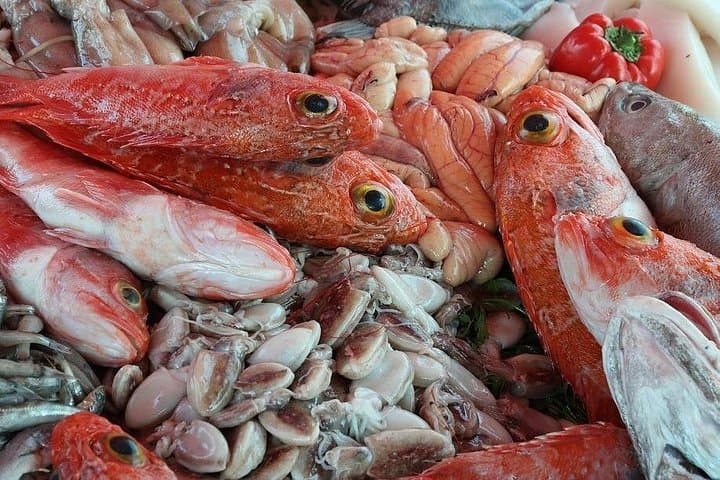
Culture here is practical and musical: local Gnawa rhythms, Berber argan co‑ops where women extract oil by hand, and markets selling smoked fish, spices and woven rugs. Small museums and the Skala de la Kasbah offer clear sightlines to islands and fishing lanes.
Practical guidance: the full‑day private drive from Marrakech runs roughly 2–2.5 hours each way, so expect an 11‑hour day including stops. Dress in layers for wind and sun, wear sturdy shoes for cobbles and climb a few lookouts; carry cash for cooperatives and small stalls. If you want quieter streets, plan an early arrival before tour coaches unload. The driver/guide format gives flexibility to visit argan cooperatives, the port, mosque squares and a beach stretch—balance sightseeing with downtime on the sand. Hydrate, protect skin, and let the wind remind you you’re on the Atlantic edge of Morocco.
easy.
11 hours.
Light activity level—suitable for travelers who can walk short distances on uneven ground and tolerate a long day in a vehicle.
The drive typically takes about 2–2.5 hours each way depending on traffic and stops en route.
Yes — private day tours generally include several hours for independent exploration of the medina, port and a stop at an argan cooperative.
Yes — the day is low‑impact, with vehicle transfer and short walks; passengers with limited mobility should indicate needs at booking for appropriate pickup and pacing.
Yes — cooperatives sell artisanal argan oil and cosmetics; bring cash and be prepared to sample and compare small bottles and prices.
Formerly called Mogador, Essaouira developed as a fortified Atlantic port with Portuguese and later French influences; its medina reflects planned maritime trade routes and defensive architecture.
Argan ecosystems are unique to southwestern Morocco; many local co‑ops follow sustainable harvesting practices to protect trees and support community livelihoods.
Ourikatravel operates guided outdoor trips and adventures with an emphasis on safety, stewardship, and memorable experiences.
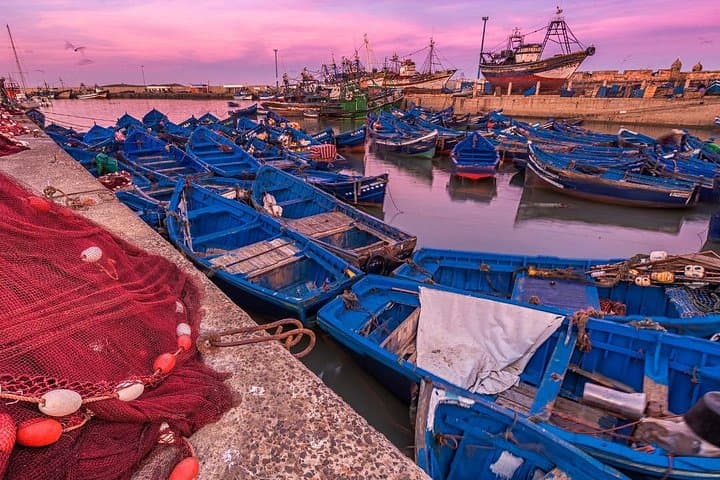
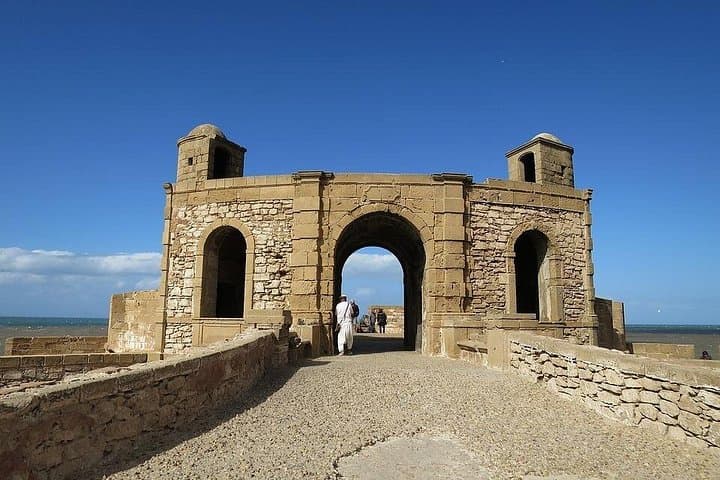
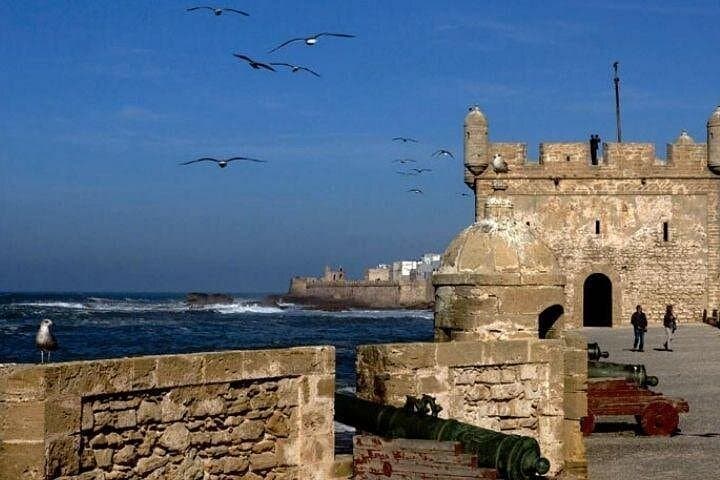
You arrive on the Essaouira ramparts as a cool Atlantic wind pushes inland, gulls wheel above the low stone bastions and turquoise waves crash against weathered walls. The medina opens like a tight grid of whitewashed houses, narrow alleys, and a working port where fishermen mend nets and wooden boats rock with the tide.
You arrive on the Essaouira ramparts as a cool Atlantic wind pushes inland, gulls wheel above the low stone bastions and turquoise waves crash against weathered walls. The medina opens like a tight grid of whitewashed houses, narrow alleys, and a working port where fishermen mend nets and wooden boats rock with the tide.
Essaouira—historic Mogador—has been a trading port, a Portuguese outpost and a pirate haunt; its medina is a compact, UNESCO‑recognized layout shaped by Atlantic surf and centuries of commerce. Geologically, the coastline is a sweep of soft sandstone, dunes and pebble beaches carved by constant wind; that same wind makes the town a world‑class kitesurfing venue and gifts dramatic light for photographers.
Culture here is practical and musical: local Gnawa rhythms, Berber argan co‑ops where women extract oil by hand, and markets selling smoked fish, spices and woven rugs. Small museums and the Skala de la Kasbah offer clear sightlines to islands and fishing lanes.
Practical guidance: the full‑day private drive from Marrakech runs roughly 2–2.5 hours each way, so expect an 11‑hour day including stops. Dress in layers for wind and sun, wear sturdy shoes for cobbles and climb a few lookouts; carry cash for cooperatives and small stalls. If you want quieter streets, plan an early arrival before tour coaches unload. The driver/guide format gives flexibility to visit argan cooperatives, the port, mosque squares and a beach stretch—balance sightseeing with downtime on the sand. Hydrate, protect skin, and let the wind remind you you’re on the Atlantic edge of Morocco.