THE ADVENTURE COLLECTIVE® · Independent discovery and booking for outdoor travel

Spend a long day leaving London to stand before Stonehenge’s ancient circle, then drift through the honey-colored streets of Lacock and Castle Combe. This private tour pairs archaeology with pastoral English villages and door-to-door convenience.
Spend a long day leaving London to stand before Stonehenge’s ancient circle, then drift through the honey-colored streets of Lacock and Castle Combe. This private tour pairs archaeology with pastoral English villages and door-to-door convenience.
You leave London before the city fully wakes and the M3 slides open beneath the van’s wheels. The road narrows into lanes that climb and fall across chalk hills; the air takes on the dry, mineral taste of downs. At Stonehenge the stones stand like weathered sentinels, each one holding the patient geometry of millennia.
Verified experiences and guided adventures in the surrounding area.
Operated by Airport Express · Salisbury, Wiltshire
You leave London before the city fully wakes and the M3 slides open beneath the van’s wheels. The road narrows into lanes that climb and fall across chalk hills; the air takes on the dry, mineral taste of downs. At Stonehenge the stones stand like weathered sentinels, each one holding the patient geometry of millennia.
Stonehenge dates to roughly 2500 BCE and sits amid a dense landscape of Neolithic and Bronze Age sites — avenues, burial mounds and the nearby Durrington Walls. Geologically, the sarsen stones are local silcrete and the bluestones trace back to the Preseli Hills in Wales, a reminder that ancient builders moved massive materials across long distances.
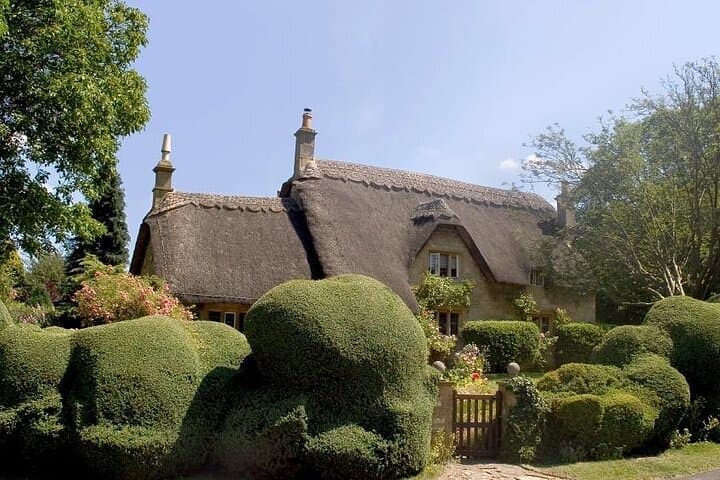
The afternoon shifts to the Cotswolds, where warm-hued limestone makes buildings glow. Lacock’s abbey and honey-stone cottages show centuries of English rural life; Castle Combe’s Market Cross and the Bybrook river offer a quieter, simpler rhythm. Local culture centers on village pubs, parish churches and farming rhythms that still shape fields and hedgerows.
Practical guidance: plan for an 11-hour day with roughly 90–100 minutes at Stonehenge and short walking segments on uneven ground. Wear waterproof layers and sturdy shoes—weather can switch quickly. The tour provides bottled water, hotel pickup/drop-off, and a private driver-guide, but bring snacks if you have dietary needs.
Timing helps—arrive early to avoid larger coach groups at the monument. Respect roped areas and interpretive signage; many sites are protected archaeological landscapes. Take a moment by the stones to listen: wind moves through the circle and seems almost to answer the weight of human history beneath your feet.
moderate.
10–11 hours.
Suitable for travelers with moderate fitness who can handle several short walks and an all-day outing.
This private tour typically does not include Stonehenge entry fees; check booking details and your preferred arrival time for on-site ticket options.
Expect short walks on uneven ground at each stop—around 30–90 minutes of walking in total across the day, with plenty of seated travel time between sites.
Operators often include a pub lunch option but may not cover special meals; notify the tour at booking to arrange alternatives where possible.
Hotel pickup and drop-off in London is standard; most operators allow one suitcase plus carry-on—confirm with the provider if you have oversized items.
Stonehenge and its environs form one of Britain’s richest prehistoric landscapes, with linked ceremonial sites and burial mounds spanning thousands of years.
The monument and surrounding land are protected; visitors should stick to paths, avoid trampling fragile turf and respect signage to preserve archaeological deposits.
Airport Express operates guided outdoor trips and adventures with an emphasis on safety, stewardship, and memorable experiences.
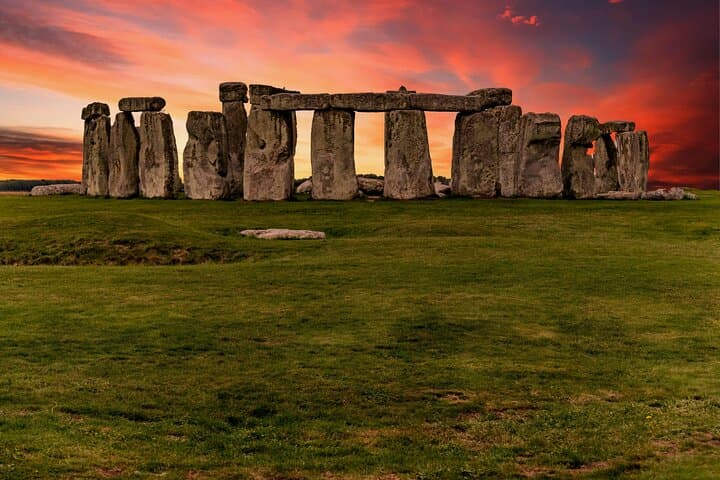

You leave London before the city fully wakes and the M3 slides open beneath the van’s wheels. The road narrows into lanes that climb and fall across chalk hills; the air takes on the dry, mineral taste of downs. At Stonehenge the stones stand like weathered sentinels, each one holding the patient geometry of millennia.
You leave London before the city fully wakes and the M3 slides open beneath the van’s wheels. The road narrows into lanes that climb and fall across chalk hills; the air takes on the dry, mineral taste of downs. At Stonehenge the stones stand like weathered sentinels, each one holding the patient geometry of millennia.
Stonehenge dates to roughly 2500 BCE and sits amid a dense landscape of Neolithic and Bronze Age sites — avenues, burial mounds and the nearby Durrington Walls. Geologically, the sarsen stones are local silcrete and the bluestones trace back to the Preseli Hills in Wales, a reminder that ancient builders moved massive materials across long distances.
The afternoon shifts to the Cotswolds, where warm-hued limestone makes buildings glow. Lacock’s abbey and honey-stone cottages show centuries of English rural life; Castle Combe’s Market Cross and the Bybrook river offer a quieter, simpler rhythm. Local culture centers on village pubs, parish churches and farming rhythms that still shape fields and hedgerows.
Practical guidance: plan for an 11-hour day with roughly 90–100 minutes at Stonehenge and short walking segments on uneven ground. Wear waterproof layers and sturdy shoes—weather can switch quickly. The tour provides bottled water, hotel pickup/drop-off, and a private driver-guide, but bring snacks if you have dietary needs.
Timing helps—arrive early to avoid larger coach groups at the monument. Respect roped areas and interpretive signage; many sites are protected archaeological landscapes. Take a moment by the stones to listen: wind moves through the circle and seems almost to answer the weight of human history beneath your feet.