THE ADVENTURE COLLECTIVE® · Independent discovery and booking for outdoor travel

Drive from Linz into the Salzkammergut for a private day in Hallstatt: lakefront streets, the world’s oldest salt mine and a cliffside skywalk. This easy day trip combines scenic drives, cultural history and options for lake cruises or mine tours.
Drive from Linz into the Salzkammergut for a private day in Hallstatt: lakefront streets, the world’s oldest salt mine and a cliffside skywalk. This easy day trip combines scenic drives, cultural history and options for lake cruises or mine tours.
A cool morning on the A1 turns into alpine light as the private car eases through the Salzkammergut, the lake-glinted peaks of the Dachstein range drawing closer.
Verified experiences and guided adventures in the surrounding area.
Operated by Europe Journey - Private Sightseeing Transfers and Day Tours · Hallstatt, Upper Austria
A cool morning on the A1 turns into alpine light as the private car eases through the Salzkammergut, the lake-glinted peaks of the Dachstein range drawing closer.
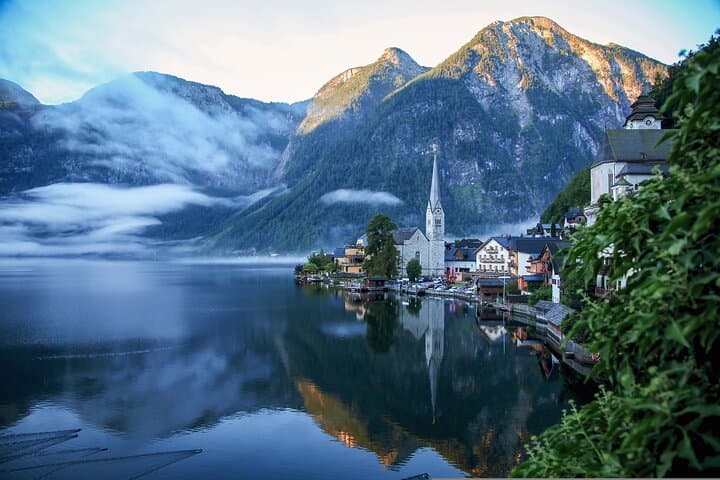
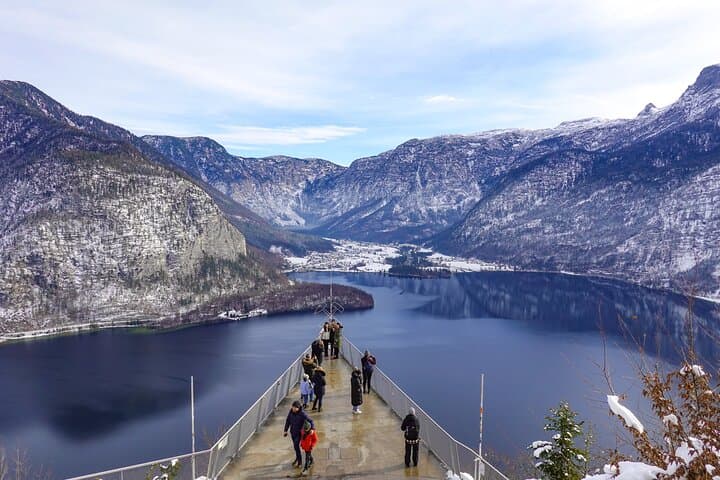
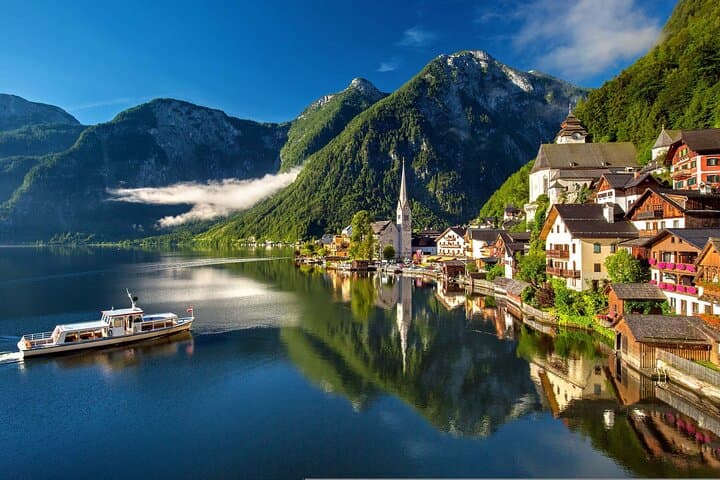
Arrive in Hallstatt and the first sight is the emerald lake folding against a row of wooden houses on stilts; the town’s narrow lanes push visitors into a slower rhythm. Above, the salt mine and its panoramic skywalk hang on the limestone face, an industrial archaeology perched amid karst cliffs. The area’s archaeology—objects from the Hallstatt culture—gave Europe a named Iron Age; the local museum compresses thousands of years into a tidy sequence of finds and salt-works artefacts.
Geology here is straightforward: Triassic limestone, steep-sided valleys carved by glaciation, and salt deposits that made this place strategically valuable for millennia. Culturally, Hallstatt has long been a crossroads of alpine trades—salt, shepherding, and lake navigation—that shaped local architecture and cuisine.
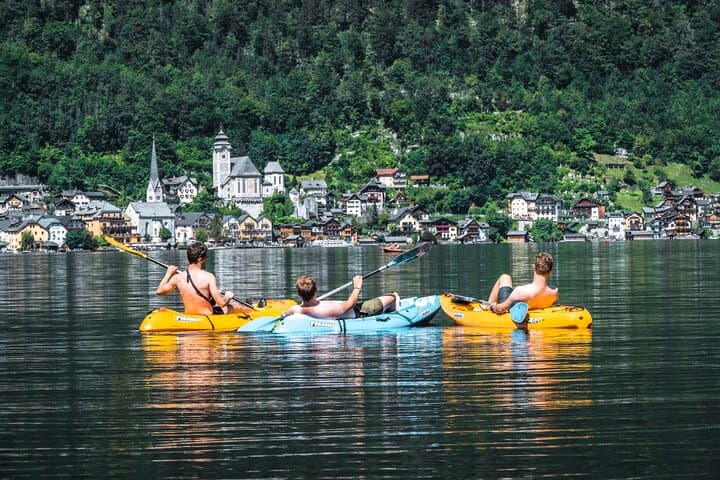
Practically: plan 7–8 hours door-to-door from Linz, with 3–4 hours on the ground in Hallstatt to walk, photograph, and choose one paid attraction (salt mine, ice cave, boat cruise). Summer brings the busiest crowds and tight ferry schedules; shoulder seasons offer clearer parking and steadier light for photos.
Wear sturdy walking shoes for cobbled streets and slick wooden walkways, bring a light waterproof layer, and keep tickets for the salt mine or boat handy—some attractions require separate entry. The private-driver format lets you tailor stops for viewpoints, quick hikes, and photo frames along the lake.
easy.
7–8 hours.
Suitable for people with normal mobility; involves short walks on uneven surfaces and stairs
The drive is about 1.5–2 hours each way depending on traffic and your chosen route through the Salzkammergut.
No—entry tickets to the salt mine, boat cruises or ice cave are typically purchased separately and should be checked in advance.
Yes—the private driver can make scheduled or ad-hoc stops at viewpoints and short walks for photos as time allows.
The transfer is accessible and short walks are manageable, but some attractions (mine slides, steep stairways) may have restrictions—verify specific site accessibility before booking.
Hallstatt’s salt extraction dates back millennia; archaeological finds nearby defined the Hallstatt cultural period of early Iron Age Europe.
The area is a UNESCO World Heritage site with visitor limits at some sites—keep to marked trails, dispose of waste properly and avoid feeding wildlife.
Europe Journey - Private Sightseeing Transfers and Day Tours operates guided outdoor trips and adventures with an emphasis on safety, stewardship, and memorable experiences.
A cool morning on the A1 turns into alpine light as the private car eases through the Salzkammergut, the lake-glinted peaks of the Dachstein range drawing closer.
A cool morning on the A1 turns into alpine light as the private car eases through the Salzkammergut, the lake-glinted peaks of the Dachstein range drawing closer.
Arrive in Hallstatt and the first sight is the emerald lake folding against a row of wooden houses on stilts; the town’s narrow lanes push visitors into a slower rhythm. Above, the salt mine and its panoramic skywalk hang on the limestone face, an industrial archaeology perched amid karst cliffs. The area’s archaeology—objects from the Hallstatt culture—gave Europe a named Iron Age; the local museum compresses thousands of years into a tidy sequence of finds and salt-works artefacts.
Geology here is straightforward: Triassic limestone, steep-sided valleys carved by glaciation, and salt deposits that made this place strategically valuable for millennia. Culturally, Hallstatt has long been a crossroads of alpine trades—salt, shepherding, and lake navigation—that shaped local architecture and cuisine.
Practically: plan 7–8 hours door-to-door from Linz, with 3–4 hours on the ground in Hallstatt to walk, photograph, and choose one paid attraction (salt mine, ice cave, boat cruise). Summer brings the busiest crowds and tight ferry schedules; shoulder seasons offer clearer parking and steadier light for photos.
Wear sturdy walking shoes for cobbled streets and slick wooden walkways, bring a light waterproof layer, and keep tickets for the salt mine or boat handy—some attractions require separate entry. The private-driver format lets you tailor stops for viewpoints, quick hikes, and photo frames along the lake.