THE ADVENTURE COLLECTIVE® · Independent discovery and booking for outdoor travel

Cross the border from Dubrovnik for a seven-hour private day trip that pairs monastery-made wines with Ottoman-era streets and a riverside Herzegovinian lunch. Expect short walks on cobbles, cellar tastings, and a relaxed cultural rhythm.
Cross the border from Dubrovnik for a seven-hour private day trip that pairs monastery-made wines with Ottoman-era streets and a riverside Herzegovinian lunch. Expect short walks on cobbles, cellar tastings, and a relaxed cultural rhythm.
You leave the Adriatic’s glare behind and drive inland, the coast shrinking to a ribbon while limestone ridges rise and the Trebišnjica River threads the valley below. By the time Trebinje’s red-tiled roofs come into view, the air smells of river moss and grape vines; the town itself opens with a slow, cobbled rhythm that invites walking rather than rushing.
Verified experiences and guided adventures in the surrounding area.
Operated by DTS - Dubrovnik Travel Service · Trebinje, Republika Srpska
You leave the Adriatic’s glare behind and drive inland, the coast shrinking to a ribbon while limestone ridges rise and the Trebišnjica River threads the valley below. By the time Trebinje’s red-tiled roofs come into view, the air smells of river moss and grape vines; the town itself opens with a slow, cobbled rhythm that invites walking rather than rushing.
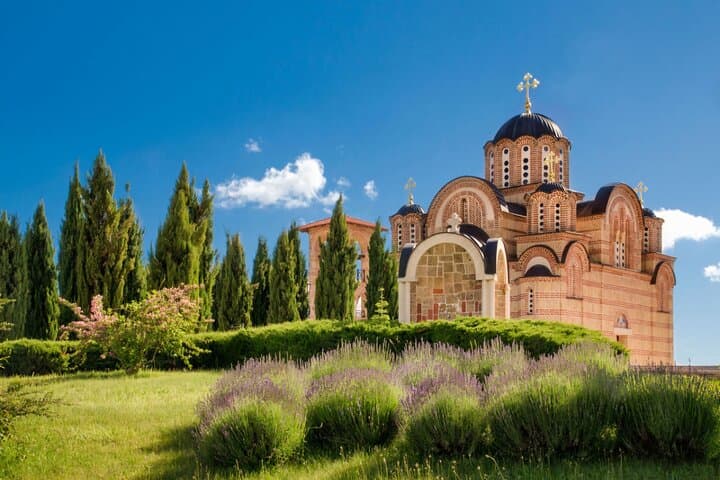
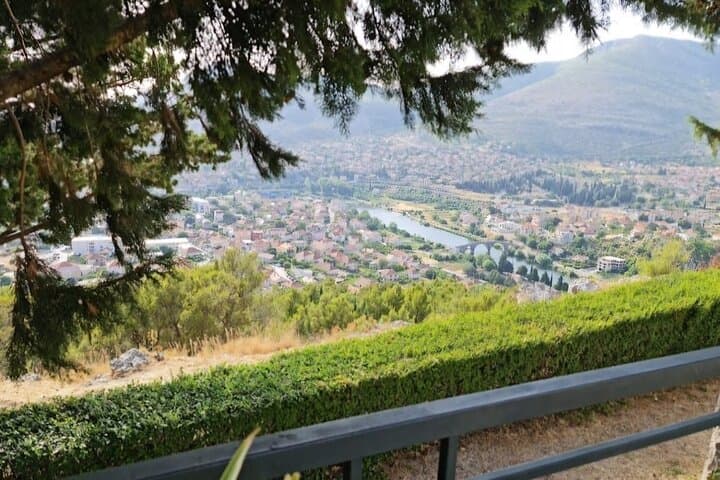
This route stitches together layers of history: Ottoman-era bazaars and the 16th-century Arslanagić Bridge, Orthodox continuity at Tvrdoš Monastery whose rebuilt 15th-century structures guard ancient cellars, and the modern Gračanica on Crkvina Hill that overlooks the basin. Geologically, Herzegovina is classic karst—limestone cliffs, underground channels and a Mediterranean microclimate that helps vineyards ripen varieties like Vranac and Žilavka.
You’ll taste those wines where they were made—monastic cellars that balance tradition with contemporary awards—then slow down over a local lunch of prosciutto, sir iz mijeha and trout at a riverside konoba. The Trebišnjica dares you to follow its terraces and photograph light that lingers late into the evening.
Practical guidance: this is a 7‑hour private excursion with hotel pickup from Dubrovnik; a passport is mandatory and border waits can add 10–30 minutes. Dress modestly for religious sites (shoulders covered); bring cash for tastings and tips (prices low by Western standards). Wear comfortable walking shoes for cobbles and short uneven paths, and carry a light layer—the river valley can be breezy. The pace blends short walks and stops, making it suitable for most travelers who want culture, simple hiking, and regional wines in a single day.
easy.
7 hours.
Light fitness required—short, easy walks on cobbles and low inclines; suitable for most travelers
Yes—Bosnia and Herzegovina is a separate country from Croatia; every traveler must present a valid passport at the border.
The tour includes guided visits and bottled water; wine tastings and restaurant meals are usually paid on site—expect modest prices (€3 per wine glass; lunch €10–€20 per person as a guideline).
Yes—the itinerary is rated easy and is suitable for children; infant seats and stroller access are noted, but uneven streets may limit stroller use in the old town.
Typical waits are short (10–30 minutes), but delays can occur during peak season or holidays—allow extra time if you have critical connections later.
Trebinje’s Old Town shows Ottoman-era urban patterns and a long Orthodox presence; Tvrdoš Monastery dates to medieval Christian foundations and was rebuilt in the 15th century.
Local efforts focus on protecting the Trebišnjica’s water quality and promoting sustainable wine tourism to preserve terraces and traditional farming practices.
DTS - Dubrovnik Travel Service operates guided outdoor trips and adventures with an emphasis on safety, stewardship, and memorable experiences.
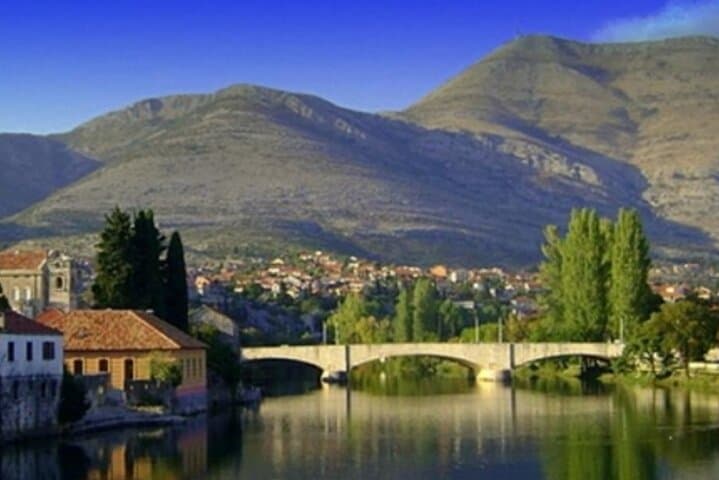
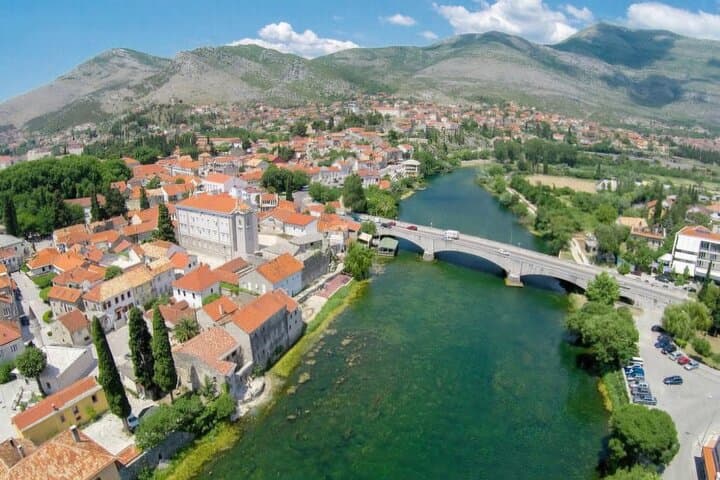
You leave the Adriatic’s glare behind and drive inland, the coast shrinking to a ribbon while limestone ridges rise and the Trebišnjica River threads the valley below. By the time Trebinje’s red-tiled roofs come into view, the air smells of river moss and grape vines; the town itself opens with a slow, cobbled rhythm that invites walking rather than rushing.
You leave the Adriatic’s glare behind and drive inland, the coast shrinking to a ribbon while limestone ridges rise and the Trebišnjica River threads the valley below. By the time Trebinje’s red-tiled roofs come into view, the air smells of river moss and grape vines; the town itself opens with a slow, cobbled rhythm that invites walking rather than rushing.
This route stitches together layers of history: Ottoman-era bazaars and the 16th-century Arslanagić Bridge, Orthodox continuity at Tvrdoš Monastery whose rebuilt 15th-century structures guard ancient cellars, and the modern Gračanica on Crkvina Hill that overlooks the basin. Geologically, Herzegovina is classic karst—limestone cliffs, underground channels and a Mediterranean microclimate that helps vineyards ripen varieties like Vranac and Žilavka.
You’ll taste those wines where they were made—monastic cellars that balance tradition with contemporary awards—then slow down over a local lunch of prosciutto, sir iz mijeha and trout at a riverside konoba. The Trebišnjica dares you to follow its terraces and photograph light that lingers late into the evening.
Practical guidance: this is a 7‑hour private excursion with hotel pickup from Dubrovnik; a passport is mandatory and border waits can add 10–30 minutes. Dress modestly for religious sites (shoulders covered); bring cash for tastings and tips (prices low by Western standards). Wear comfortable walking shoes for cobbles and short uneven paths, and carry a light layer—the river valley can be breezy. The pace blends short walks and stops, making it suitable for most travelers who want culture, simple hiking, and regional wines in a single day.