THE ADVENTURE COLLECTIVE® · Independent discovery and booking for outdoor travel

Drive from Dubrovnik into Herzegovina on a private full-day tour that pairs the pilgrimage town of Medjugorje with Mostar’s historic Old Bridge and the fortified village of Počitelj. Expect walking tours, cultural insight, and scenic karst landscapes.
Drive from Dubrovnik into Herzegovina on a private full-day tour that pairs the pilgrimage town of Medjugorje with Mostar’s historic Old Bridge and the fortified village of Počitelj. Expect walking tours, cultural insight, and scenic karst landscapes.
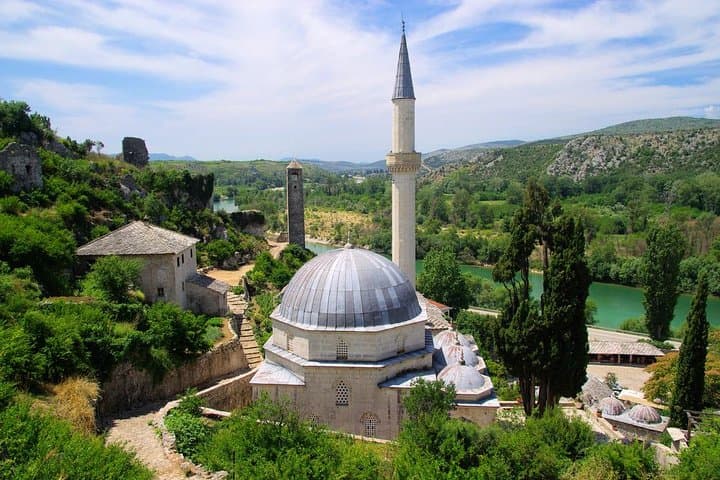
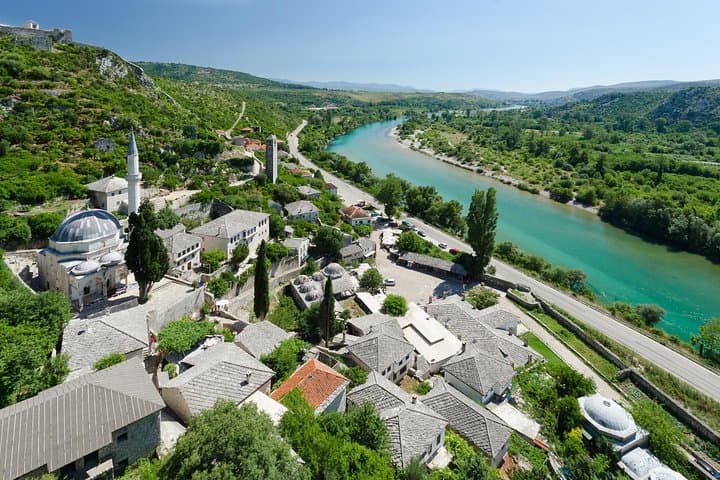
You step into the van at dawn and the Adriatic light peels off Dubrovnik’s walls. The driver eases out onto the coastal road, and the Neretva River—green and insistent—pulls at the view as the landscape changes from maritime to karst. By midmorning the low, stone houses of Počitelj sit against a rocky slope like a page of history pressed into the hill.
Verified experiences and guided adventures in the surrounding area.
Operated by Super Tours · Dubrovnik, Dubrovnik-Neretva County
You step into the van at dawn and the Adriatic light peels off Dubrovnik’s walls. The driver eases out onto the coastal road, and the Neretva River—green and insistent—pulls at the view as the landscape changes from maritime to karst. By midmorning the low, stone houses of Počitelj sit against a rocky slope like a page of history pressed into the hill.
This private day trip threads together three distinct threads of Herzegovina: the modern pilgrimage town of Medjugorje, the Ottoman- and Austro-Hungarian-layered streets of Mostar and the medieval stronghold of Počitelj. Mostar’s Stari Most, rebuilt after the 1990s conflict, still commands attention as the bridge that stitched a divided city back together. Medjugorje draws visitors for the alleged 1981 Marian apparitions; the town’s quiet plazas and churchyard gatherings are as much social ritual as religious practice. Geologically, the route crosses karst limestone—rock that shapes abrupt cliffs, caves and a river delta that pushes toward the Adriatic.
Expect a mix of short walks, guided commentary and stretches of scenic driving. Time in Mostar is largely pedestrian: cobbled alleys, mosques, and cafés lining the riverfront. In Medjugorje the pace slows; pilgrims climb Apparition Hill or remain by the church, listening. Practicalities matter: carry a passport for the border crossing, wear comfortable shoes for uneven stone streets, and budget time for local food and cash-only stalls in some areas.
This trip suits travelers who want cultural depth without hiking demands. It’s a full day—bring water, sun protection, and a sense of patience for a schedule shaped by both history and human rhythms.
easy.
10–12 hours.
Minimal fitness required; able to stand and walk short distances on uneven surfaces throughout the day
Yes—this itinerary crosses from Croatia into Bosnia and Herzegovina; a current valid passport is required for all travelers.
Yes. The tour is labeled physically easy and is primarily driving with short walks, but it is a long day so plan for breaks and seating.
Yes. The itinerary includes a walking tour in Mostar with time at Stari Most and a visit to Medjugorje with opportunity to visit the church and nearby viewpoint.
Meals are not included; while many restaurants accept cards, several smaller vendors in Mostar prefer cash—having euros or local currency is advisable.
Mostar’s Old Bridge dates to the 16th century Ottoman era and was reconstructed after destruction in the 1990s; Medjugorje became an international pilgrimage site following reported Marian apparitions in 1981.
Tourism brings pressure to fragile karst landscapes and river habitats—use marked paths, avoid littering, and support local businesses that follow sustainable practices.
Super Tours operates guided outdoor trips and adventures with an emphasis on safety, stewardship, and memorable experiences.
You step into the van at dawn and the Adriatic light peels off Dubrovnik’s walls. The driver eases out onto the coastal road, and the Neretva River—green and insistent—pulls at the view as the landscape changes from maritime to karst. By midmorning the low, stone houses of Počitelj sit against a rocky slope like a page of history pressed into the hill.
You step into the van at dawn and the Adriatic light peels off Dubrovnik’s walls. The driver eases out onto the coastal road, and the Neretva River—green and insistent—pulls at the view as the landscape changes from maritime to karst. By midmorning the low, stone houses of Počitelj sit against a rocky slope like a page of history pressed into the hill.
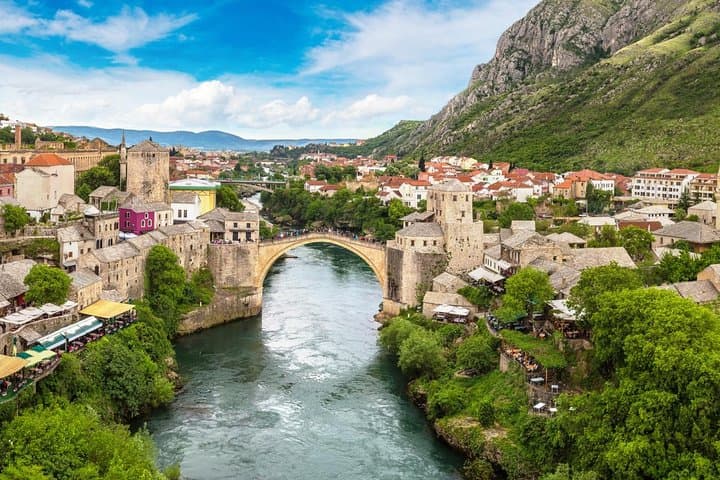
This private day trip threads together three distinct threads of Herzegovina: the modern pilgrimage town of Medjugorje, the Ottoman- and Austro-Hungarian-layered streets of Mostar and the medieval stronghold of Počitelj. Mostar’s Stari Most, rebuilt after the 1990s conflict, still commands attention as the bridge that stitched a divided city back together. Medjugorje draws visitors for the alleged 1981 Marian apparitions; the town’s quiet plazas and churchyard gatherings are as much social ritual as religious practice. Geologically, the route crosses karst limestone—rock that shapes abrupt cliffs, caves and a river delta that pushes toward the Adriatic.
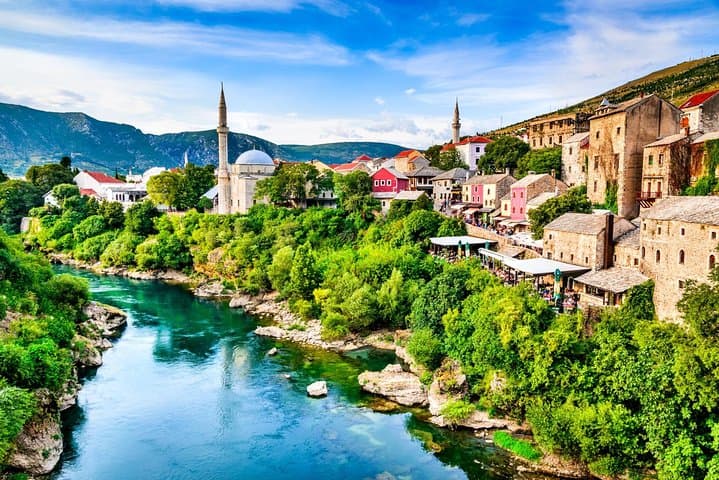
Expect a mix of short walks, guided commentary and stretches of scenic driving. Time in Mostar is largely pedestrian: cobbled alleys, mosques, and cafés lining the riverfront. In Medjugorje the pace slows; pilgrims climb Apparition Hill or remain by the church, listening. Practicalities matter: carry a passport for the border crossing, wear comfortable shoes for uneven stone streets, and budget time for local food and cash-only stalls in some areas.
This trip suits travelers who want cultural depth without hiking demands. It’s a full day—bring water, sun protection, and a sense of patience for a schedule shaped by both history and human rhythms.