THE ADVENTURE COLLECTIVE® · Independent discovery and booking for outdoor travel

A private full-day drive from Beirut through Beiteddine’s palaces, the storied lanes of Deir el Qamar and the ancient Chouf cedars. Expect short walks, historic sites and high-mountain cedar groves with conservation-focused stops.
A private full-day drive from Beirut through Beiteddine’s palaces, the storied lanes of Deir el Qamar and the ancient Chouf cedars. Expect short walks, historic sites and high-mountain cedar groves with conservation-focused stops.
You leave Beirut’s traffic and the Mediterranean’s hum behind as the road climbs into the Mount Lebanon foothills; stone houses and terraced orchards slide past the window while the air cools and the cedars ahead stand like slow-breathing elders. The first stop, Beiteddine Palace, opens onto courtyards and mosaic halls where Ottoman, Druze and Levantine histories cross paths in carved wood and painted tiles.
Verified experiences and guided adventures in the surrounding area.
Operated by Beirut Trip · Beiteddine, Mount Lebanon Governorate
You leave Beirut’s traffic and the Mediterranean’s hum behind as the road climbs into the Mount Lebanon foothills; stone houses and terraced orchards slide past the window while the air cools and the cedars ahead stand like slow-breathing elders. The first stop, Beiteddine Palace, opens onto courtyards and mosaic halls where Ottoman, Druze and Levantine histories cross paths in carved wood and painted tiles.
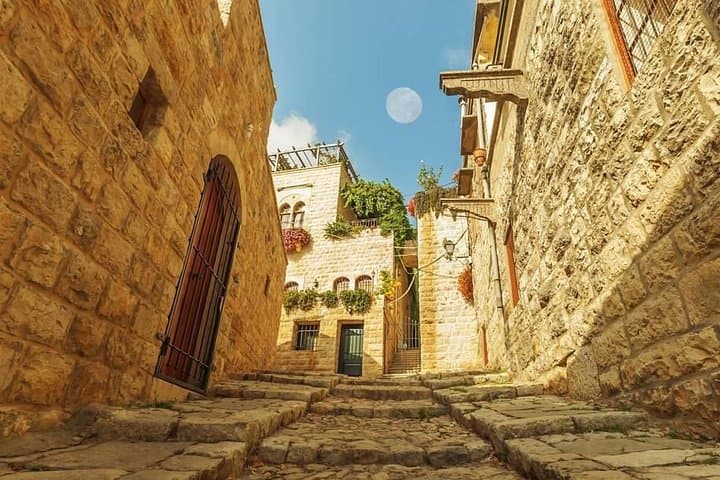
Deir el Qamar follows — a compact village of red-tile roofs, 15th-century churches and an octagonal minaret that remembers earlier empires. The village’s streets trace a social history: it hosted Lebanon’s first municipal council in 1864 and still carries visible layers of Christian, Druze and Ottoman presence.
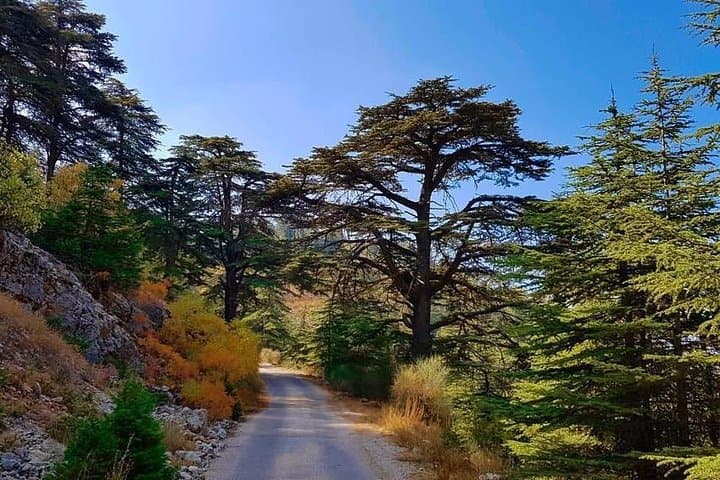
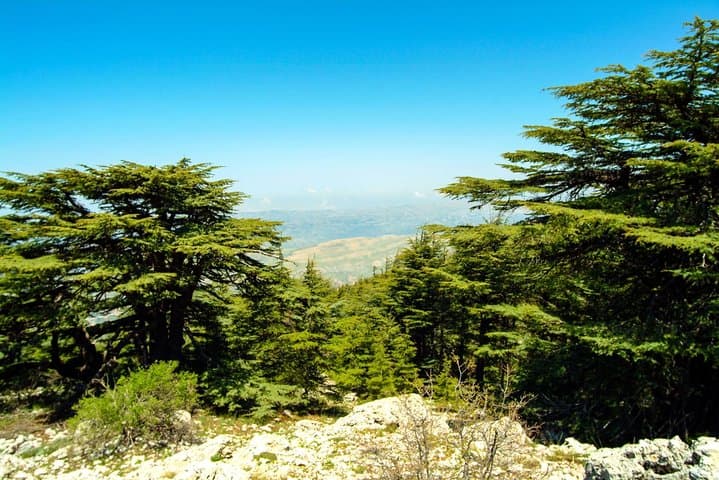
Higher, the Shouf Cedar Reserve takes over with limestone ridges, acidic soils, and groves of Cedrus libani that cling to north-facing slopes. Those cedars shaped local culture and economy for millennia and now anchor reforestation and conservation efforts; in autumn the light turns the trunks copper and the wind feels like an old story telling you to slow down.
Practical guidance: the tour is primarily driving with short walks at each stop — bring good shoes for uneven stone streets and a warm layer for the cedar groves, especially outside summer. Carry water, small local currency for entrance fees or cafes, and a camera with extra battery: vistas from the cedar trails and Beiteddine’s terraces reward a few deliberate pauses. Morning departures avoid valley haze and give the best light for photos and quieter village streets.
easy.
8 hours.
Suitable for most fitness levels; mostly seated travel with brief on-foot exploration at each stop
Yes — the tour includes private air-conditioned transportation with hotel pickup and drop-off.
Admission is typically not included; check with the operator and have local currency on hand.
Yes — infant seats are available and the tour is rated easy, but expect staircases and short uneven walks.
Generally yes, though winter can bring cold or snow at higher cedar elevations that may affect walkability.
Beiteddine Palace was built by Emir Bashir Chehab II between the late 18th and early 19th centuries; Deir el Qamar was an early municipal center and a multicultural village under Ottoman rule.
The Shouf Cedar Reserve leads reforestation and sustainable tourism programs; visitors are asked to stay on trails, avoid collecting wood, and respect wildlife.
Beirut Trip operates guided outdoor trips and adventures with an emphasis on safety, stewardship, and memorable experiences.
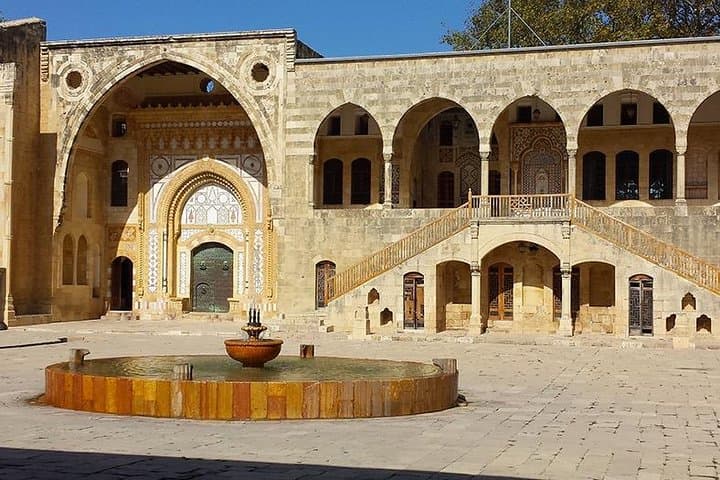
You leave Beirut’s traffic and the Mediterranean’s hum behind as the road climbs into the Mount Lebanon foothills; stone houses and terraced orchards slide past the window while the air cools and the cedars ahead stand like slow-breathing elders. The first stop, Beiteddine Palace, opens onto courtyards and mosaic halls where Ottoman, Druze and Levantine histories cross paths in carved wood and painted tiles.
You leave Beirut’s traffic and the Mediterranean’s hum behind as the road climbs into the Mount Lebanon foothills; stone houses and terraced orchards slide past the window while the air cools and the cedars ahead stand like slow-breathing elders. The first stop, Beiteddine Palace, opens onto courtyards and mosaic halls where Ottoman, Druze and Levantine histories cross paths in carved wood and painted tiles.
Deir el Qamar follows — a compact village of red-tile roofs, 15th-century churches and an octagonal minaret that remembers earlier empires. The village’s streets trace a social history: it hosted Lebanon’s first municipal council in 1864 and still carries visible layers of Christian, Druze and Ottoman presence.
Higher, the Shouf Cedar Reserve takes over with limestone ridges, acidic soils, and groves of Cedrus libani that cling to north-facing slopes. Those cedars shaped local culture and economy for millennia and now anchor reforestation and conservation efforts; in autumn the light turns the trunks copper and the wind feels like an old story telling you to slow down.
Practical guidance: the tour is primarily driving with short walks at each stop — bring good shoes for uneven stone streets and a warm layer for the cedar groves, especially outside summer. Carry water, small local currency for entrance fees or cafes, and a camera with extra battery: vistas from the cedar trails and Beiteddine’s terraces reward a few deliberate pauses. Morning departures avoid valley haze and give the best light for photos and quieter village streets.