THE ADVENTURE COLLECTIVE® · Independent discovery and booking for outdoor travel

Escape Beirut for a full‑day private tour that pairs 19th‑century palaces and stone‑roofed villages with hiking among some of Lebanon's oldest cedars. This practical guide covers what you'll see, how to prepare, and local tips to get the most from the day.
Escape Beirut for a full‑day private tour that pairs 19th‑century palaces and stone‑roofed villages with hiking among some of Lebanon's oldest cedars. This practical guide covers what you'll see, how to prepare, and local tips to get the most from the day.
You step out of Beirut's traffic into a cooler, higher air where stone roofs and cedars take over the horizon. The drive climbs through terraced hills and pines, and Beiteddine Palace arrives like an ordered court of carved arches and sun-warmed courtyards. Walk the palace terraces and imagine 19th‑century court life while the surrounding mountains frame a broader story: empires, local sheikhs, and later, a modern nation finding its place.
Verified experiences and guided adventures in the surrounding area.
Operated by Lebanon Tours & travels · Beiteddine, Mount Lebanon Governorate
You step out of Beirut's traffic into a cooler, higher air where stone roofs and cedars take over the horizon. The drive climbs through terraced hills and pines, and Beiteddine Palace arrives like an ordered court of carved arches and sun-warmed courtyards. Walk the palace terraces and imagine 19th‑century court life while the surrounding mountains frame a broader story: empires, local sheikhs, and later, a modern nation finding its place.
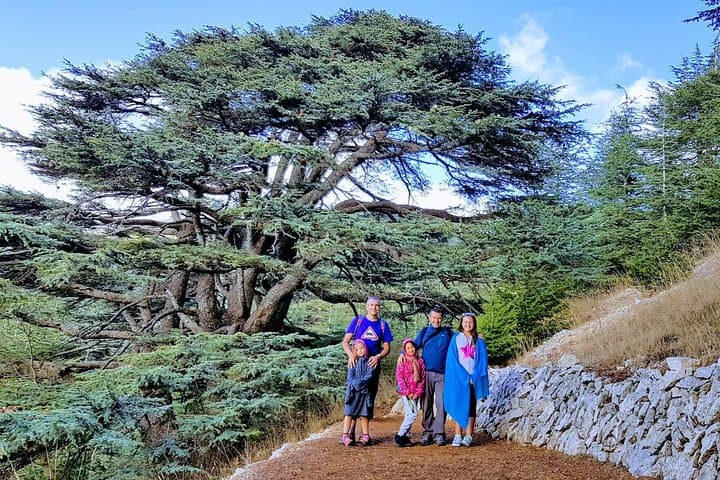
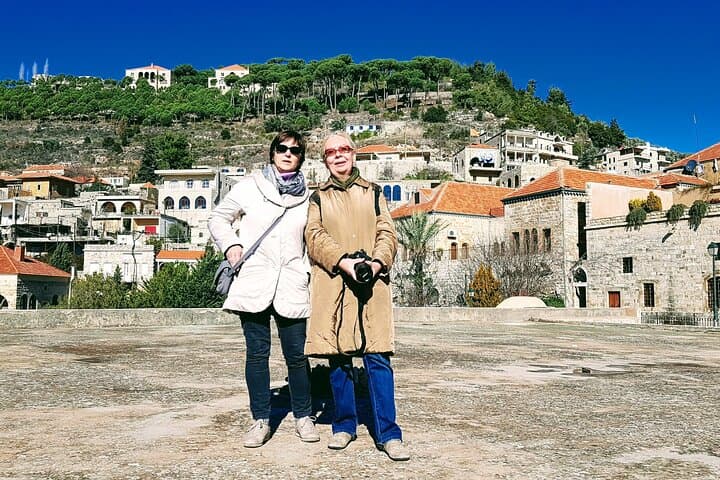
History here reads in stone — Emir Bashir Chehab II's 18th–19th century architecture at Beiteddine, the medieval lanes of Deir el Qamar, and the ancient cedar stands that shaped Levantine culture and myth. Geology is plain underfoot: limestone slopes, fractured ridgelines, and soil thin enough that cedar roots hold the hills together. The Chouf reserve pushes a living counterpoint to the built sites — cedars that dare winter snows and summer dust, and a landscape that quietly insists on resilience.
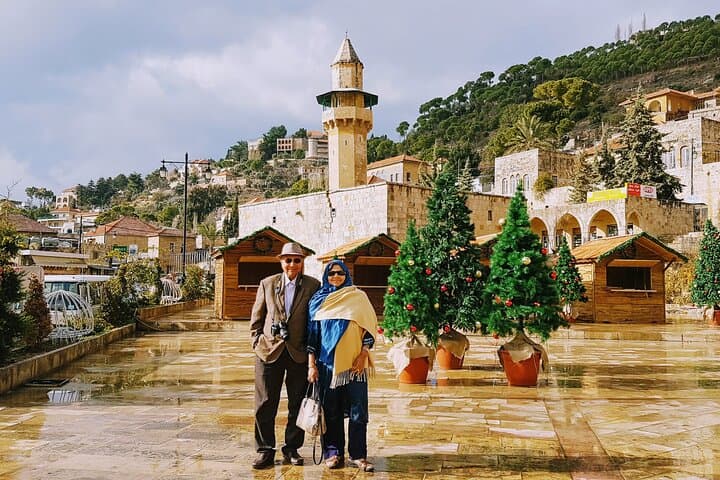
Practical side: this is an eight‑hour private circuit best started early to avoid mid‑day heat and crowds. Expect short walks on uneven village streets and moderate trails among cedar groves; sections can be rocky or muddy after rain. Bring sun protection, water, and sturdy shoes. Local vendors in Deir el Qamar sell fresh flatbreads and sweets — cash helps. The tour balances culture and nature: palace rooms and museum displays, a stroll past the Fakhreddine Mosque and the Church of Our Lady of the Hill, then a hike into Al‑Shouf Cedar Nature Reserve.
Respect sites by keeping to marked paths in the reserve, and leave no trace among the cedars — they’ve survived centuries; they don’t need your footprints to tell the story.
moderate.
8 hours.
Suitable for travelers with average fitness; involves short village walks and a moderate hike with some elevation and uneven terrain.
Yes — the private tour includes hotel pickup and drop‑off in Beirut; specify your pickup point when booking.
Some sites may charge admission; check the tour's inclusions or bring cash as admissions are sometimes paid on arrival.
The tour is advertised as suitable for all fitness levels, but village streets and some palace areas have steps; wheelchair access may be limited in historic buildings.
Expect short to moderate hikes (30–60 minutes on marked trails) with uneven surfaces; options can be adjusted to match your group’s energy.
Beiteddine Palace was built by Emir Bashir Chehab II between the late 18th and early 19th centuries; Deir el Qamar elected one of the first local municipalities in the region in 1864.
Al‑Shouf Cedar Nature Reserve protects Lebanon's largest cedar stands; visitors should stay on trails and avoid disturbing seedlings to support regeneration efforts.
Lebanon Tours & travels operates guided outdoor trips and adventures with an emphasis on safety, stewardship, and memorable experiences.
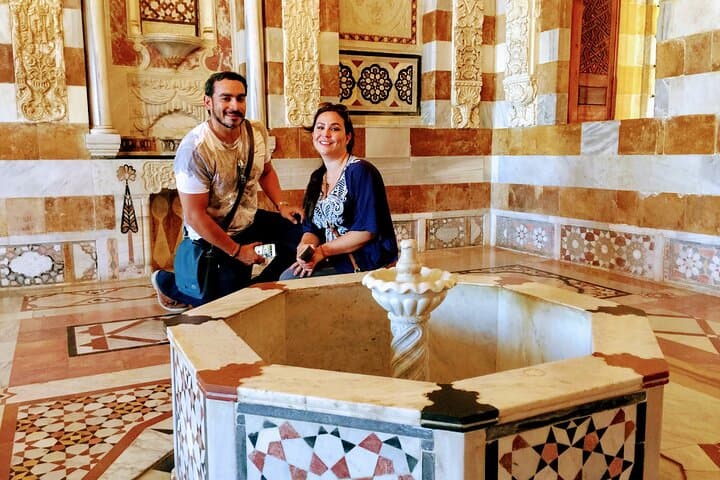
You step out of Beirut's traffic into a cooler, higher air where stone roofs and cedars take over the horizon. The drive climbs through terraced hills and pines, and Beiteddine Palace arrives like an ordered court of carved arches and sun-warmed courtyards. Walk the palace terraces and imagine 19th‑century court life while the surrounding mountains frame a broader story: empires, local sheikhs, and later, a modern nation finding its place.
You step out of Beirut's traffic into a cooler, higher air where stone roofs and cedars take over the horizon. The drive climbs through terraced hills and pines, and Beiteddine Palace arrives like an ordered court of carved arches and sun-warmed courtyards. Walk the palace terraces and imagine 19th‑century court life while the surrounding mountains frame a broader story: empires, local sheikhs, and later, a modern nation finding its place.
History here reads in stone — Emir Bashir Chehab II's 18th–19th century architecture at Beiteddine, the medieval lanes of Deir el Qamar, and the ancient cedar stands that shaped Levantine culture and myth. Geology is plain underfoot: limestone slopes, fractured ridgelines, and soil thin enough that cedar roots hold the hills together. The Chouf reserve pushes a living counterpoint to the built sites — cedars that dare winter snows and summer dust, and a landscape that quietly insists on resilience.
Practical side: this is an eight‑hour private circuit best started early to avoid mid‑day heat and crowds. Expect short walks on uneven village streets and moderate trails among cedar groves; sections can be rocky or muddy after rain. Bring sun protection, water, and sturdy shoes. Local vendors in Deir el Qamar sell fresh flatbreads and sweets — cash helps. The tour balances culture and nature: palace rooms and museum displays, a stroll past the Fakhreddine Mosque and the Church of Our Lady of the Hill, then a hike into Al‑Shouf Cedar Nature Reserve.
Respect sites by keeping to marked paths in the reserve, and leave no trace among the cedars — they’ve survived centuries; they don’t need your footprints to tell the story.