THE ADVENTURE COLLECTIVE® · Independent discovery and booking for outdoor travel

Cross a national border in a single day to visit Mostar’s iconic arch, Počitelj’s stone lanes and Medjugorje’s pilgrimage calm. This private routed drive from Dubrovnik mixes history, geology and flexible stops for photographers and culture-minded travelers.
Cross a national border in a single day to visit Mostar’s iconic arch, Počitelj’s stone lanes and Medjugorje’s pilgrimage calm. This private routed drive from Dubrovnik mixes history, geology and flexible stops for photographers and culture-minded travelers.
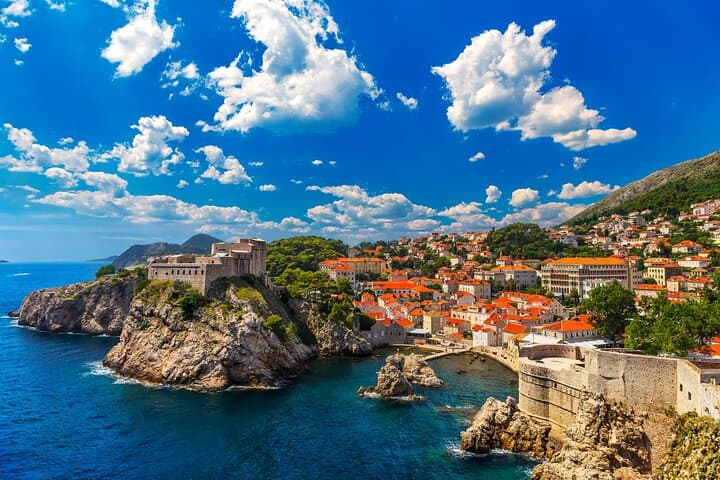
You leave Dubrovnik before dawn, the Adriatic light folding away from the city walls as the van eases toward the border. The road climbs and drops through limestone hills, terraces of olive groves and scrub that have held people for centuries; by midmorning you’re in Bosnia and Herzegovina, where river gorges, Ottoman bridges and pilgrimage shrines shape the day.
Verified experiences and guided adventures in the surrounding area.
Operated by Welcome Pickups · Dubrovnik, Dubrovnik-Neretva County
You leave Dubrovnik before dawn, the Adriatic light folding away from the city walls as the van eases toward the border. The road climbs and drops through limestone hills, terraces of olive groves and scrub that have held people for centuries; by midmorning you’re in Bosnia and Herzegovina, where river gorges, Ottoman bridges and pilgrimage shrines shape the day.
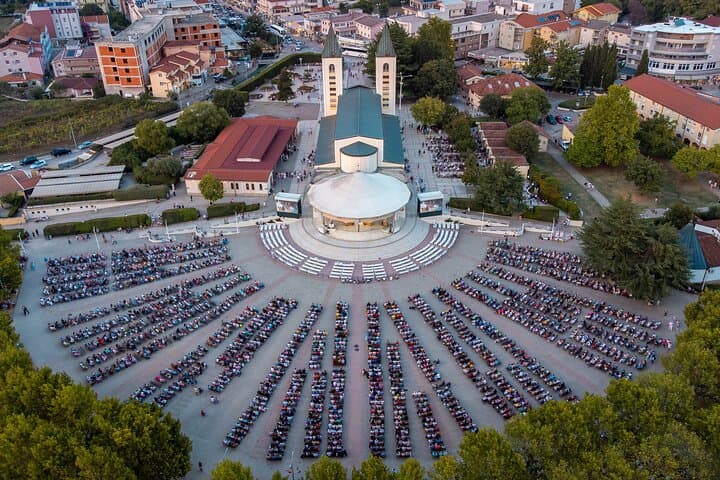
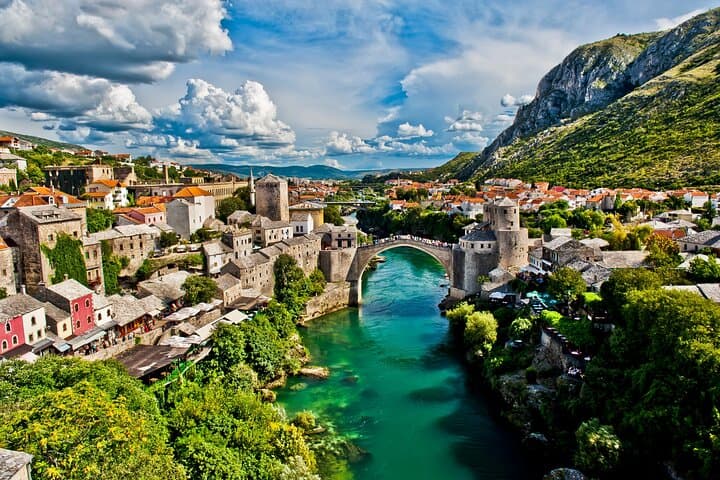
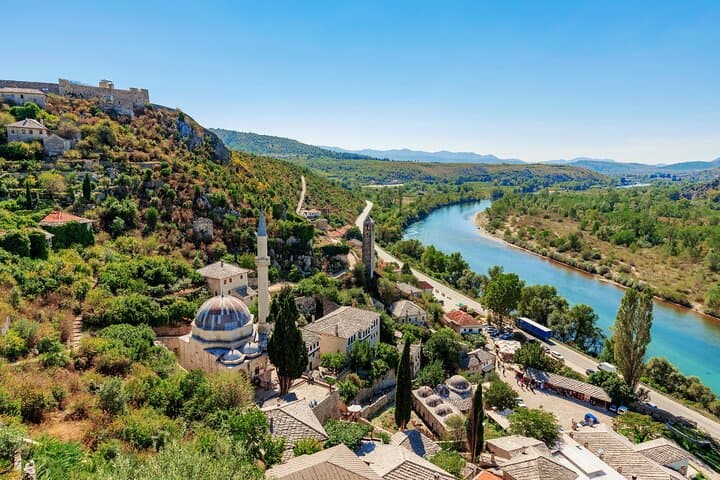
Mostar’s Old Bridge (Stari Most) is the magnetic center: 16th‑century engineering arcing over the Neretva, fishermen casting lines below and bazaars lined with brassware and handmade kilims. Nearby Počitelj rewards a short climb — stone alleys, a modest fortress and sweeping views of the river valley that reveal the region’s karst geology. Medjugorje contrasts with quiet lanes and whitewashed chapels, a contemporary pilgrimage site where visitors walk, pray, or take gentle hikes above the town for sunset views.
The route threads recent history and Ottoman, Austro‑Hungarian and Yugoslav layers; drivers offer local context but do not act as museum guides. Expect border formalities and occasional waits; bring your passport. Terrain at stops is mostly cobbled or paved with short, sometimes steep steps — comfortable shoes are useful.
Practicalities: the trip is long (about 11 hours), so plan for water, sun protection and some flexible mobility. Photography opportunities are frequent; exchanges and small local vendors make for authentic souvenirs. If you want longer time in any town, communicate with your driver when booking — this private ride is adjustable and best used to shape the day to your pace.
easy.
11 hours (approx.).
Suitable for most fitness levels—able to handle short urban walks and steps at several stops.
Yes — you will cross the Croatia–Bosnia and Herzegovina border, so everyone needs a valid passport; check visa requirements for your nationality.
Drivers serve as informal guides and cannot enter paid museum or archaeological sites with you, but will suggest highlights and best access points.
Water is included but meals are not—stops allow time to buy lunch or sample local snacks in Mostar and Počitelj.
Yes — the tour notes stroller accessibility in vehicles, though cobbled streets and steps may limit stroller mobility at some sites.
The region reflects Ottoman-era urban design layered with Austro-Hungarian and Yugoslav-era history; Stari Most was rebuilt after the 1990s conflicts and stands as a restored cultural landmark.
Respect local conservation by avoiding litter, staying on paved or marked paths, and supporting small vendors to benefit village economies.
Welcome Pickups operates guided outdoor trips and adventures with an emphasis on safety, stewardship, and memorable experiences.
You leave Dubrovnik before dawn, the Adriatic light folding away from the city walls as the van eases toward the border. The road climbs and drops through limestone hills, terraces of olive groves and scrub that have held people for centuries; by midmorning you’re in Bosnia and Herzegovina, where river gorges, Ottoman bridges and pilgrimage shrines shape the day.
You leave Dubrovnik before dawn, the Adriatic light folding away from the city walls as the van eases toward the border. The road climbs and drops through limestone hills, terraces of olive groves and scrub that have held people for centuries; by midmorning you’re in Bosnia and Herzegovina, where river gorges, Ottoman bridges and pilgrimage shrines shape the day.
Mostar’s Old Bridge (Stari Most) is the magnetic center: 16th‑century engineering arcing over the Neretva, fishermen casting lines below and bazaars lined with brassware and handmade kilims. Nearby Počitelj rewards a short climb — stone alleys, a modest fortress and sweeping views of the river valley that reveal the region’s karst geology. Medjugorje contrasts with quiet lanes and whitewashed chapels, a contemporary pilgrimage site where visitors walk, pray, or take gentle hikes above the town for sunset views.
The route threads recent history and Ottoman, Austro‑Hungarian and Yugoslav layers; drivers offer local context but do not act as museum guides. Expect border formalities and occasional waits; bring your passport. Terrain at stops is mostly cobbled or paved with short, sometimes steep steps — comfortable shoes are useful.
Practicalities: the trip is long (about 11 hours), so plan for water, sun protection and some flexible mobility. Photography opportunities are frequent; exchanges and small local vendors make for authentic souvenirs. If you want longer time in any town, communicate with your driver when booking — this private ride is adjustable and best used to shape the day to your pace.