THE ADVENTURE COLLECTIVE® · Independent discovery and booking for outdoor travel

Roll out of Marrakech for a private, full-day circuit through Tafza, Setti Fatma, Oukaimeden and Tahannout—where waterfall walks, Berber culture and high‑Atlas views combine. Expect a mix of short hikes and scenic drives over an 8–9 hour itinerary.
Roll out of Marrakech for a private, full-day circuit through Tafza, Setti Fatma, Oukaimeden and Tahannout—where waterfall walks, Berber culture and high‑Atlas views combine. Expect a mix of short hikes and scenic drives over an 8–9 hour itinerary.
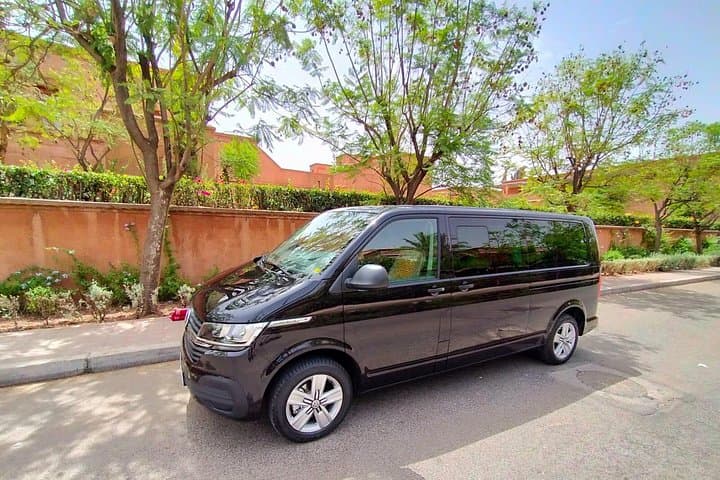
You climb into an air-conditioned car in Marrakech as the city recedes and the road angles toward the High Atlas—olive terraces and dry-stone walls passing like chapters of a regional story. The driver threads switchbacks; cedar-clad ridgelines appear, then villages where children wave and donkeys pick their way along lanes.
Verified experiences and guided adventures in the surrounding area.
Operated by Skip Tours · Marrakech, Marrakesh-Safi
You climb into an air-conditioned car in Marrakech as the city recedes and the road angles toward the High Atlas—olive terraces and dry-stone walls passing like chapters of a regional story. The driver threads switchbacks; cedar-clad ridgelines appear, then villages where children wave and donkeys pick their way along lanes.
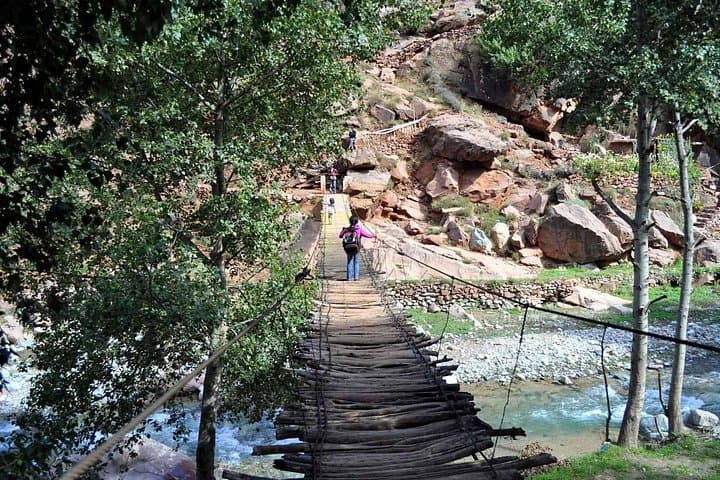
The day moves through Tafza, where the Berber Ecomuseum interprets Amazigh life with household artifacts and rural photography; Setti Fatma, the gateway to a short but rewarding hike to seven waterfalls through shaded mule tracks and oak groves; Oukaimeden, the high resort where winter snow can carpet slopes above 3,200 m and the road gives panoramic views; and finally Tahannout, the administrative center and a pulse of local market life.
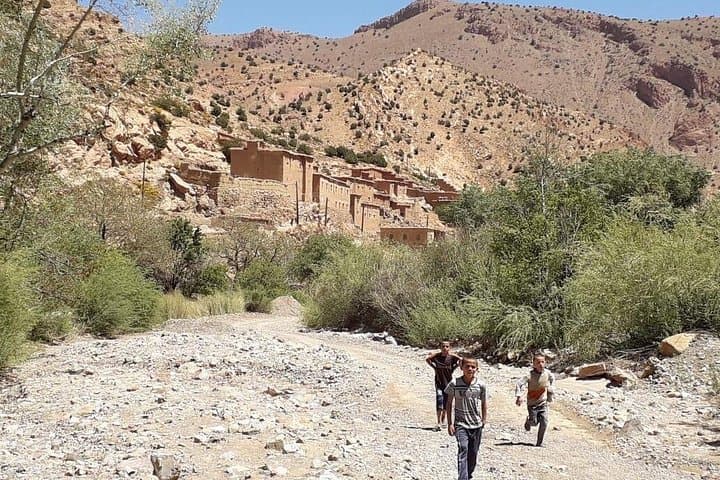
Geology here is raw: folded Precambrian and Mesozoic rocks uplifted into jagged ridges, eroded into terraces that humans have farmed for centuries. Culture is equally visible—mud-brick houses, terraced plots, and Berber (Amazigh) speakers maintaining crafts and seasonal grazing patterns.
Practically, expect an 8–9 hour private tour with multiple short walks (the popular waterfalls hike is ~2 hours round-trip on uneven terrain). Bring sturdy shoes, layered clothing for warmer valleys and cooler alpine air at Oukaimeden, sun protection, and cash for small purchases and tips. The trip is vehicle-led, accessible to most fitness levels, and offers a concentrated sampler of Atlas landscapes and local life—ideal for travelers who want dramatic scenery without multi-day trekking.
moderate.
8–9 hours.
Suitable for most travelers with basic fitness; participants should be comfortable walking on uneven trails for up to 2 hours.
The walk to the seven waterfalls is typically a 2-hour round-trip on uneven, sometimes steep terrain; local guides can be arranged at the village for an additional fee but the route is doable for anyone comfortable with short moderate hikes.
Bring Moroccan dirhams in small denominations—many village vendors and small cafés do not accept cards, though larger shops in Marrakech do.
Oukaimeden is primarily a photo and viewpoint stop on this day trip; in winter there may be snow but full ski rentals or lift operations are seasonal and require prior arrangement.
Yes—this private tour includes pickup from accommodations in Marrakech; confirm your exact pickup point when booking.
The High Atlas has long been inhabited by Amazigh (Berber) communities; terraces and mountain trails reflect centuries of pastoral and agricultural adaptation to steep landscapes.
Erosion and seasonal water scarcity are ongoing concerns; support local guides, avoid disturbing habitats, and minimize plastic use to reduce impact.
Skip Tours operates guided outdoor trips and adventures with an emphasis on safety, stewardship, and memorable experiences.
You climb into an air-conditioned car in Marrakech as the city recedes and the road angles toward the High Atlas—olive terraces and dry-stone walls passing like chapters of a regional story. The driver threads switchbacks; cedar-clad ridgelines appear, then villages where children wave and donkeys pick their way along lanes.
You climb into an air-conditioned car in Marrakech as the city recedes and the road angles toward the High Atlas—olive terraces and dry-stone walls passing like chapters of a regional story. The driver threads switchbacks; cedar-clad ridgelines appear, then villages where children wave and donkeys pick their way along lanes.
The day moves through Tafza, where the Berber Ecomuseum interprets Amazigh life with household artifacts and rural photography; Setti Fatma, the gateway to a short but rewarding hike to seven waterfalls through shaded mule tracks and oak groves; Oukaimeden, the high resort where winter snow can carpet slopes above 3,200 m and the road gives panoramic views; and finally Tahannout, the administrative center and a pulse of local market life.
Geology here is raw: folded Precambrian and Mesozoic rocks uplifted into jagged ridges, eroded into terraces that humans have farmed for centuries. Culture is equally visible—mud-brick houses, terraced plots, and Berber (Amazigh) speakers maintaining crafts and seasonal grazing patterns.
Practically, expect an 8–9 hour private tour with multiple short walks (the popular waterfalls hike is ~2 hours round-trip on uneven terrain). Bring sturdy shoes, layered clothing for warmer valleys and cooler alpine air at Oukaimeden, sun protection, and cash for small purchases and tips. The trip is vehicle-led, accessible to most fitness levels, and offers a concentrated sampler of Atlas landscapes and local life—ideal for travelers who want dramatic scenery without multi-day trekking.