THE ADVENTURE COLLECTIVE® · Independent discovery and booking for outdoor travel

Leave Marrakech for a day in the High Atlas where mule tracks, Berber tea, a camel ride and the Azroul waterfalls define a varied mountain itinerary. This private trip combines accessible hiking with home-hosted meals and panoramic viewpoints over the Imlil Valley.
Leave Marrakech for a day in the High Atlas where mule tracks, Berber tea, a camel ride and the Azroul waterfalls define a varied mountain itinerary. This private trip combines accessible hiking with home-hosted meals and panoramic viewpoints over the Imlil Valley.
The morning road out of Marrakech narrows as the high plateaus of the High Atlas rise into serrated ridgelines. Drivers cut through Moulay Brahim Gorges, and by the time the valley opens you can feel the temperature drop; a river threads the valley floor and calls travelers toward mule paths and terraced fields.
Verified experiences and guided adventures in the surrounding area.
Operated by Exploring Atlas Mountains · Imlil, Marrakesh-Safi
The morning road out of Marrakech narrows as the high plateaus of the High Atlas rise into serrated ridgelines. Drivers cut through Moulay Brahim Gorges, and by the time the valley opens you can feel the temperature drop; a river threads the valley floor and calls travelers toward mule paths and terraced fields.
This full-day route follows centuries of mountain life: Berber villages perched on steep terraces, irrigation channels chiselled into the slopes, and footpaths used to move goats and goods between villages. Geologically the area is folded sedimentary rock shaped by uplift and erosion; the result is steep, rocky trails with sudden viewpoints over deep valleys and the snow-capped summits visible farther north in winter.
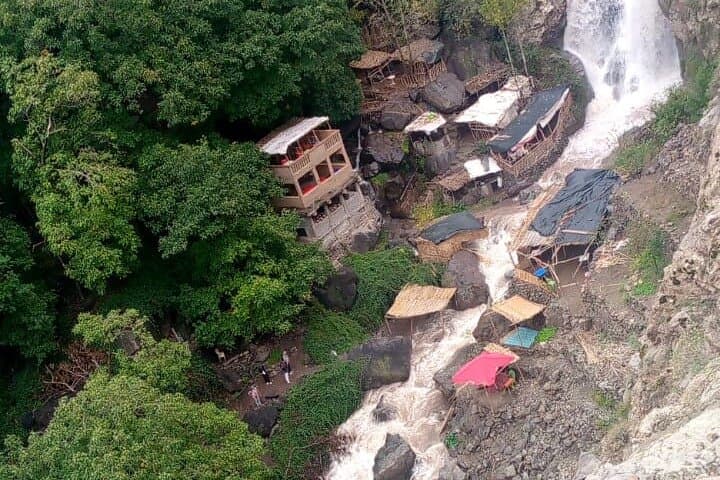
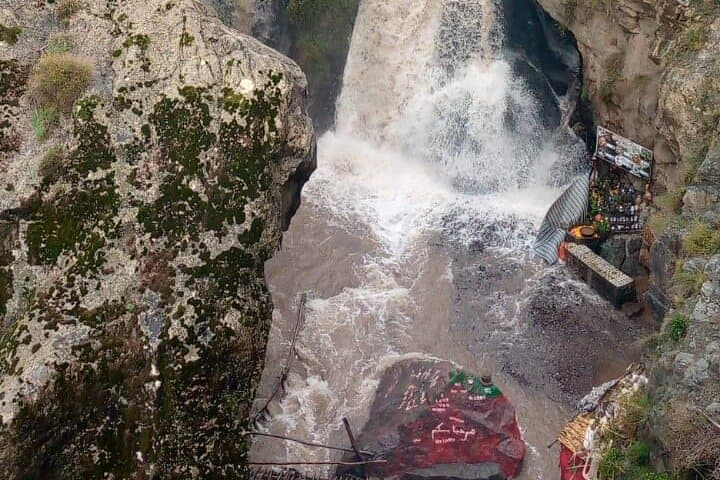
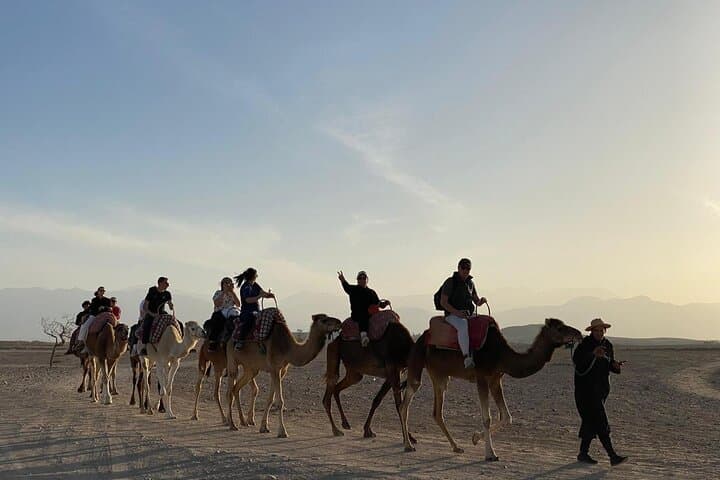
Culturally the day centers on hospitality — shared mint tea, a home-cooked lunch in a Berber house, and conversations with residents who still rely on seasonal terraces and mule transport. Stops include a short camel ride by the riverside, a mule ride up to the highest Imlil hamlet (about 3 km), a roughly two-hour hike to Ait Souka, and a visit to the Azroul waterfalls.
Practical guide: expect uneven, rocky trails and narrow village lanes; comfortable hiking shoes and layered clothing will make the day easier. Carry water, small cash for market stalls and tips, and allow time for slow sections during village visits. The tour runs 7–8 hours round-trip from Marrakech; it blends light hiking, animal transport, and cultural stops — accessible for most moderately fit travelers but not recommended for those with spinal or serious cardiovascular issues.
moderate.
7–8 hours.
Suitable for travelers in light to moderate fitness who can hike for 1.5–2 hours over uneven, uphill terrain.
The hike portion to Ait Souka is about two hours on mixed terrain; pace depends on stops and local conditions.
Yes — camel and mule rides are offered, but handlers set weight and safety limits; confirm with the operator for young children and infants.
Traditional Berber home lunches can be adapted; notify the operator of dietary needs in advance so hosts can prepare alternatives.
No special permits are required for day trips from Marrakech; ensure your travel documents meet Moroccan entry requirements.
The High Atlas has been home to Amazigh (Berber) communities for millennia; villages follow ancient agricultural patterns of terraced farming and seasonal transhumance.
Water scarcity and trail erosion are local concerns; stick to paths, avoid single-use plastics, and support local families directly when possible.
Exploring Atlas Mountains operates guided outdoor trips and adventures with an emphasis on safety, stewardship, and memorable experiences.
The morning road out of Marrakech narrows as the high plateaus of the High Atlas rise into serrated ridgelines. Drivers cut through Moulay Brahim Gorges, and by the time the valley opens you can feel the temperature drop; a river threads the valley floor and calls travelers toward mule paths and terraced fields.
The morning road out of Marrakech narrows as the high plateaus of the High Atlas rise into serrated ridgelines. Drivers cut through Moulay Brahim Gorges, and by the time the valley opens you can feel the temperature drop; a river threads the valley floor and calls travelers toward mule paths and terraced fields.
This full-day route follows centuries of mountain life: Berber villages perched on steep terraces, irrigation channels chiselled into the slopes, and footpaths used to move goats and goods between villages. Geologically the area is folded sedimentary rock shaped by uplift and erosion; the result is steep, rocky trails with sudden viewpoints over deep valleys and the snow-capped summits visible farther north in winter.
Culturally the day centers on hospitality — shared mint tea, a home-cooked lunch in a Berber house, and conversations with residents who still rely on seasonal terraces and mule transport. Stops include a short camel ride by the riverside, a mule ride up to the highest Imlil hamlet (about 3 km), a roughly two-hour hike to Ait Souka, and a visit to the Azroul waterfalls.
Practical guide: expect uneven, rocky trails and narrow village lanes; comfortable hiking shoes and layered clothing will make the day easier. Carry water, small cash for market stalls and tips, and allow time for slow sections during village visits. The tour runs 7–8 hours round-trip from Marrakech; it blends light hiking, animal transport, and cultural stops — accessible for most moderately fit travelers but not recommended for those with spinal or serious cardiovascular issues.