THE ADVENTURE COLLECTIVE® · Independent discovery and booking for outdoor travel

A full‑day private drive from Aswan to the rock temples of Abu Simbel, combining dramatic desert scenery with one of UNESCO’s most famous archaeological relocation projects. Expect a long day, expert interpretation, and the chance to step inside remarkably preserved royal sanctuaries.
A full‑day private drive from Aswan to the rock temples of Abu Simbel, combining dramatic desert scenery with one of UNESCO’s most famous archaeological relocation projects. Expect a long day, expert interpretation, and the chance to step inside remarkably preserved royal sanctuaries.
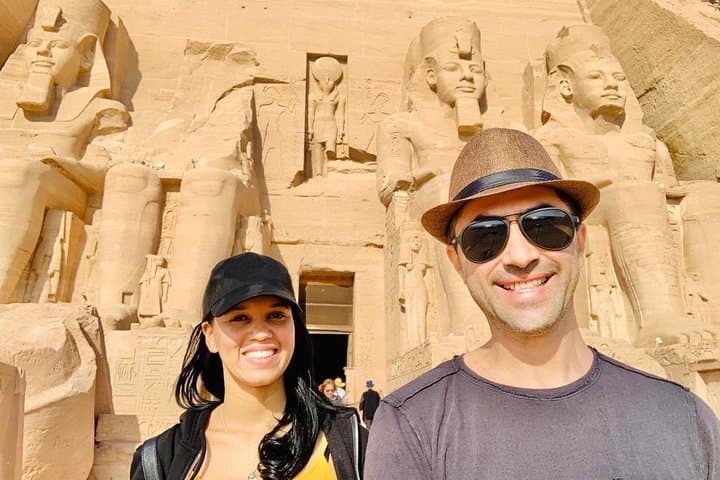
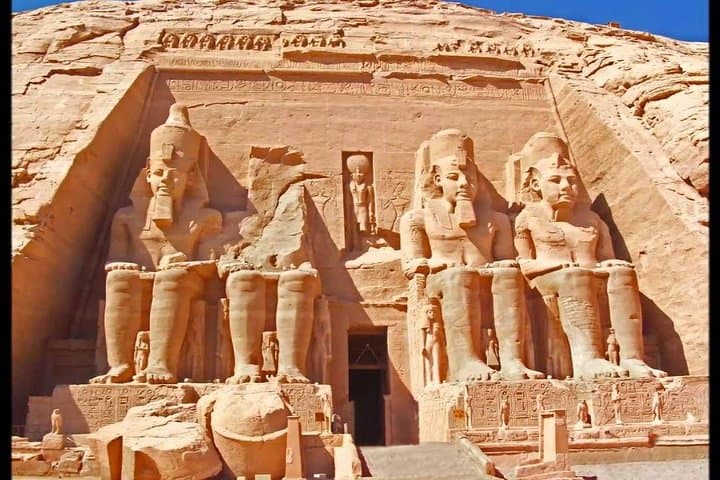
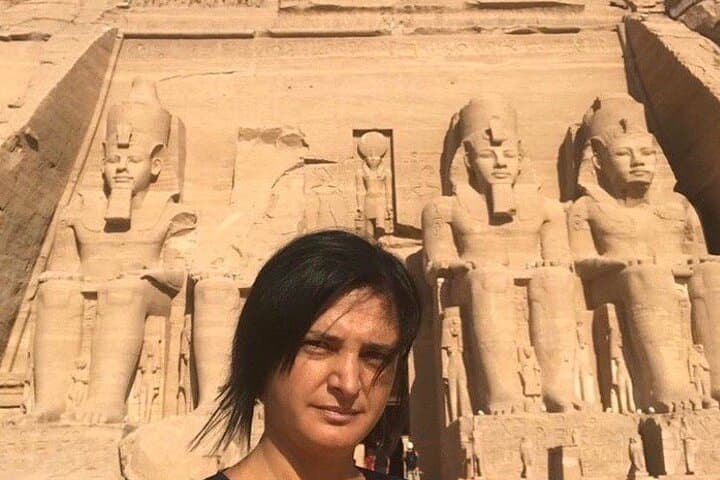
You roll out of Aswan before dawn and the road becomes a ribbon across ochre desert; Lake Nasser gleams to the west and, eventually, colossal faces of Ramses II emerge from the cliff like guardians reappearing after a long sleep.
Verified experiences and guided adventures in the surrounding area.
Operated by Charming Egypt Tours · Abu Simbel, Aswan Governorate
You roll out of Aswan before dawn and the road becomes a ribbon across ochre desert; Lake Nasser gleams to the west and, eventually, colossal faces of Ramses II emerge from the cliff like guardians reappearing after a long sleep.
The twin temples at Abu Simbel were carved in the 13th century BCE under Ramses II to impress and intimidate — stone colossi facing the Sahara, interiors painted with remarkably intact reliefs. In the 1960s the entire complex was sliced from its rock and moved piece‑by‑piece to avoid the rising waters behind the Aswan High Dam, a UNESCO project that remains one of the most ambitious archaeological rescues of the 20th century. Geologically the site sits in sandstone and conglomerate cliffs on Lake Nasser’s shore, where wind and water still shape the color of the rock.
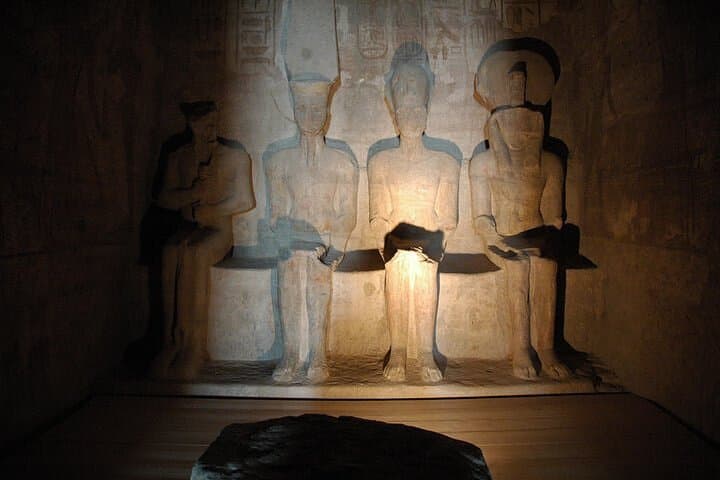
Culturally the temples mark Egypt’s imperial reach into Nubia; the smaller Temple of Hathor honors Nefertari and offers a quieter contrast to Ramses’ spectacle. Your Egyptologist guide will explain the sun‑alignment that lights the inner sanctuary twice a year and the decisions behind the relocation project; note guides are generally restricted from entering the inner sanctuaries, so they’ll use photos and drawings before you go inside.
Practically: expect a long day — roughly 280 km each way from Aswan, a 9‑hour total excursion. Wear sun protection and sturdy shoes, carry ample water, and bring your passport (required for some entry procedures). Arrive early or late afternoon light for softer photos; the visitor center houses relocation documents if time allows. This is a culturally rich, low‑tech adventure that rewards patience and curiosity.
easy.
9 hours (approx.).
Minimal fitness required — brief walks, steps into temples, and standing during explanations; able to board vehicles for long drives.
The route is roughly 280 km each way; expect about 3.5–4 hours one way depending on traffic and stops — the full day is approximately 9 hours.
On this private tour transport and standard landing/facility fees are typically included; confirm specifics with the operator before booking.
Site rules often restrict guides from entering inner sanctuaries; guides will brief you with photos and explanations before you explore independently.
Yes — the visit is suitable for most ages, but visitors should be able to manage short stair sections and desert heat; bring shade and water for vulnerable travelers.
Constructed under Pharaoh Ramses II in the 13th century BCE and reassembled in the 1960s to avoid inundation from the Aswan High Dam, Abu Simbel is a cornerstone of Egypt’s modern conservation history.
The relocation saved the temples from flooding but ongoing visitor management is essential; stick to paths, avoid touching reliefs, and follow guide instructions to limit wear.
Charming Egypt Tours operates guided outdoor trips and adventures with an emphasis on safety, stewardship, and memorable experiences.
You roll out of Aswan before dawn and the road becomes a ribbon across ochre desert; Lake Nasser gleams to the west and, eventually, colossal faces of Ramses II emerge from the cliff like guardians reappearing after a long sleep.
You roll out of Aswan before dawn and the road becomes a ribbon across ochre desert; Lake Nasser gleams to the west and, eventually, colossal faces of Ramses II emerge from the cliff like guardians reappearing after a long sleep.
The twin temples at Abu Simbel were carved in the 13th century BCE under Ramses II to impress and intimidate — stone colossi facing the Sahara, interiors painted with remarkably intact reliefs. In the 1960s the entire complex was sliced from its rock and moved piece‑by‑piece to avoid the rising waters behind the Aswan High Dam, a UNESCO project that remains one of the most ambitious archaeological rescues of the 20th century. Geologically the site sits in sandstone and conglomerate cliffs on Lake Nasser’s shore, where wind and water still shape the color of the rock.
Culturally the temples mark Egypt’s imperial reach into Nubia; the smaller Temple of Hathor honors Nefertari and offers a quieter contrast to Ramses’ spectacle. Your Egyptologist guide will explain the sun‑alignment that lights the inner sanctuary twice a year and the decisions behind the relocation project; note guides are generally restricted from entering the inner sanctuaries, so they’ll use photos and drawings before you go inside.
Practically: expect a long day — roughly 280 km each way from Aswan, a 9‑hour total excursion. Wear sun protection and sturdy shoes, carry ample water, and bring your passport (required for some entry procedures). Arrive early or late afternoon light for softer photos; the visitor center houses relocation documents if time allows. This is a culturally rich, low‑tech adventure that rewards patience and curiosity.