
Private Day Tour: Tukad Cepung Waterfall, Penglipuran Village & Mount Batur Views
Spend a day walking through a river-carved waterfall, visiting a preserved highland village, and taking in the dramatic views of Mount Batur and Tegallalang rice terraces. This private tour blends light river hiking, cultural stops, and scenic viewpoints with a flexible itinerary.
An Adventure In Ubud.
Spend a day walking through a river-carved waterfall, visiting a preserved highland village, and taking in the dramatic views of Mount Batur and Tegallalang rice terraces. This private tour blends light river hiking, cultural stops, and scenic viewpoints with a flexible itinerary.
Read the full experience
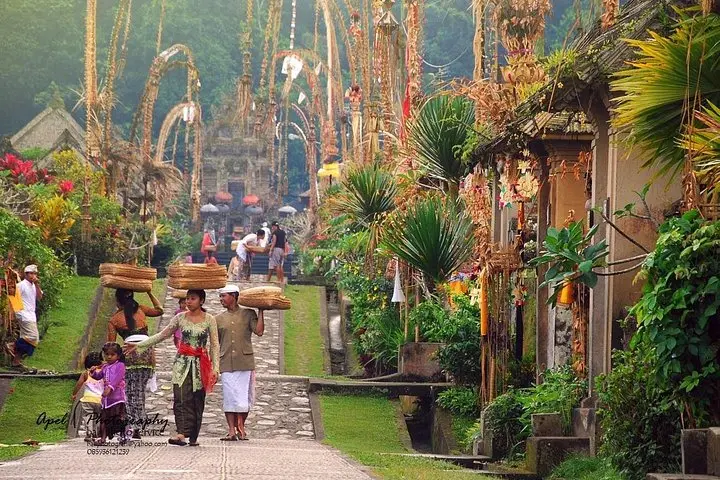
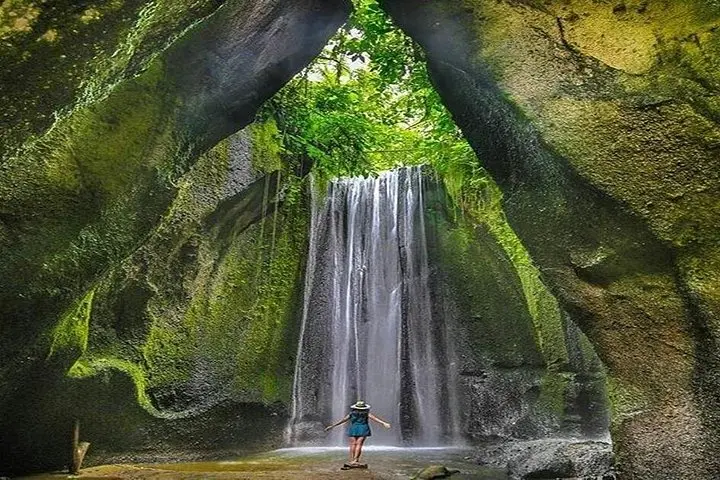
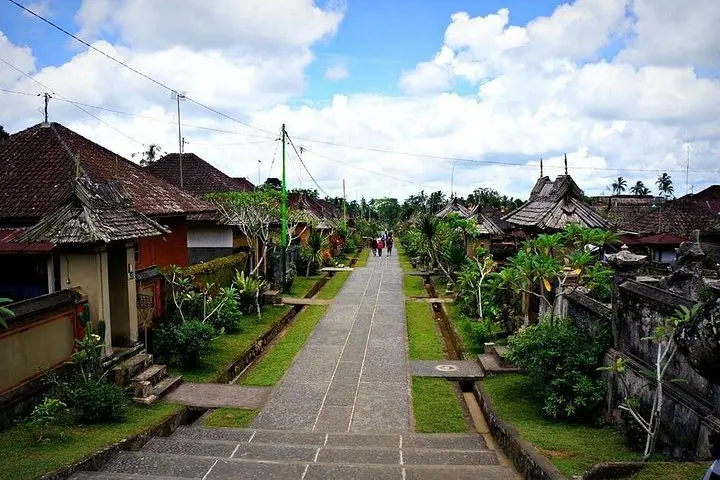
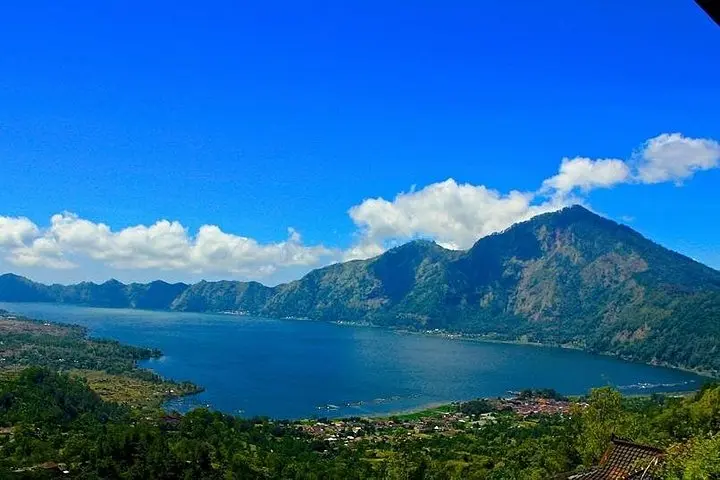
You step off the shaded lane into a narrow canyon as the river pulls at your ankles and a shaft of light slices through the rock — Tukad Cepung’s waterfall doesn’t ask politely; it performs. The tour moves from this cool, river-carved theater to tidy stone compounds where Penglipuran village keeps a clear rhythm of old Balinese life, then climbs to the Kintamani rim for a raw, close view of Batur volcano and its lake before easing into the stepped greens of Tegallalang.
You step off the shaded lane into a narrow canyon as the river pulls at your ankles and a shaft of light slices through the rock — Tukad Cepung’s waterfall doesn’t ask politely; it performs. The tour moves from this cool, river-carved theater to tidy stone compounds where Penglipuran village keeps a clear rhythm of old Balinese life, then climbs to the Kintamani rim for a raw, close view of Batur volcano and its lake before easing into the stepped greens of Tegallalang.
Geology here is dramatic: Mount Batur sits in a caldera shaped by repeated eruptions, its volcanic soils feeding the terraces that farmers still manage with the Subak irrigation system. Penglipuran’s village layout and bamboo groves reflect Bangli regency’s conservative architecture and community land practices — a living example of Bali’s rural cultural continuity.
Expect a mix of short walks, a chest-deep river crossing to the waterfall, light uphill viewpoints at Kintamani, and level paths through rice paddies. The day is sensory: river water hurries like a curious guide, bright smoke from local kitchens lingers around village gates, and the wind over Batur often lowers the heat.
Practical tips: start early to catch the waterfall’s light beams and cooler air at the volcano; wear water-friendly shoes for slippery rock and bring a lightweight layer for higher elevations. Carry small local currency for coffee tastings and souvenirs. As a private tour, timings are flexible — communicate mobility needs and pickup location when you book.
Frequently asked questions
The approach involves shallow river wading and uneven, sometimes slippery rock; it’s short but requires balance — water shoes are recommended.
This private tour typically includes entrance tickets and lunch as noted in the itinerary, but confirm details with your operator at booking.
Most local restaurants can handle vegetarian or mild dietary requests if notified in advance; inform the operator when you book so they can arrange alternatives.
Yes — the tour includes AC private car pickup; provide your hotel address and phone number when booking to confirm the pickup point.
About This Experience
Online Bali Driver operates guided outdoor trips and adventures with an emphasis on safety, stewardship, and memorable experiences.
Adventure tips
Recommended gear
- Water shoes or sturdy sandals: Protects feet and improves grip during the river approach to Tukad Cepung.
- Light rain jacket or packable shell: Useful during Bali’s wet season when sudden showers are common, especially at higher elevations.
- Sun hat and reef-safe sunscreen: Essential for midday exposure at viewpoints and rice terraces.
- Small daypack with dry bag and local cash: Keeps belongings dry during river crossings and lets you pay for coffee tastings and small purchases.
Photos of the experience
Related adventures & guides
Read the full experience
You step off the shaded lane into a narrow canyon as the river pulls at your ankles and a shaft of light slices through the rock — Tukad Cepung’s waterfall doesn’t ask politely; it performs. The tour moves from this cool, river-carved theater to tidy stone compounds where Penglipuran village keeps a clear rhythm of old Balinese life, then climbs to the Kintamani rim for a raw, close view of Batur volcano and its lake before easing into the stepped greens of Tegallalang.
You step off the shaded lane into a narrow canyon as the river pulls at your ankles and a shaft of light slices through the rock — Tukad Cepung’s waterfall doesn’t ask politely; it performs. The tour moves from this cool, river-carved theater to tidy stone compounds where Penglipuran village keeps a clear rhythm of old Balinese life, then climbs to the Kintamani rim for a raw, close view of Batur volcano and its lake before easing into the stepped greens of Tegallalang.
Geology here is dramatic: Mount Batur sits in a caldera shaped by repeated eruptions, its volcanic soils feeding the terraces that farmers still manage with the Subak irrigation system. Penglipuran’s village layout and bamboo groves reflect Bangli regency’s conservative architecture and community land practices — a living example of Bali’s rural cultural continuity.
Expect a mix of short walks, a chest-deep river crossing to the waterfall, light uphill viewpoints at Kintamani, and level paths through rice paddies. The day is sensory: river water hurries like a curious guide, bright smoke from local kitchens lingers around village gates, and the wind over Batur often lowers the heat.
Practical tips: start early to catch the waterfall’s light beams and cooler air at the volcano; wear water-friendly shoes for slippery rock and bring a lightweight layer for higher elevations. Carry small local currency for coffee tastings and souvenirs. As a private tour, timings are flexible — communicate mobility needs and pickup location when you book.
Make a day of it nearby.
Verified experiences and guided adventures in the surrounding area.