THE ADVENTURE COLLECTIVE® · Independent discovery and booking for outdoor travel

Spend a day exploring the classic Dutch lowlands: working windmills at Zaanse Schans, cheese-scented lanes in Edam, the fishing harbor of Volendam and colorful Marken village. A practical, full-day private tour from Amsterdam.
Spend a day exploring the classic Dutch lowlands: working windmills at Zaanse Schans, cheese-scented lanes in Edam, the fishing harbor of Volendam and colorful Marken village. A practical, full-day private tour from Amsterdam.
You step off the coach into the soft, country light of North Holland: windmills turn like slow answers to an old question, canals mouthed with reed beds, and wooden houses line narrow streets that remember fishermen.
Verified experiences and guided adventures in the surrounding area.
Operated by Tour Travel & More · Zaandam, North Holland
You step off the coach into the soft, country light of North Holland: windmills turn like slow answers to an old question, canals mouthed with reed beds, and wooden houses line narrow streets that remember fishermen.
The route threads history and craft—Zaanse Schans preserves functioning 18th- and 19th-century windmills once used for sawing wood, oil pressing and grain milling; Edam’s compact streets recall medieval trade in dairy; Volendam still smells faintly of smoke from traditional fish smokehouses; Marken retains island-built wooden cottages and a fishing community identity shaped by the Zuiderzee’s tides.
Geology here is coastal lowland: reclaimed polder, clay soils and a landscape shaped by human engineering—dikes, pumps and wind power. Culturally, the area shows pragmatic Dutch ingenuity: wind-driven industry, communal water management and a long dairy tradition visible in tasting rooms and clog workshops.
Expect short, flat walks, craft demonstrations, and plenty of photo stops rather than strenuous hiking. Guides focus on stories—how a mill once powered a sawmill, why Marken’s houses are built on raised foundations, and how Edam cheese became exportable.
Practical guidance: dress in layers and waterproofs; footwear should handle muddy quays; bring a small local-currency amount for markets and snacks; plan for an 8-hour day with pauses for cheese tastings and a lunch break in Volendam or Marken. Morning light is best for windmill photos; late afternoon returns to Amsterdam around dusk. This is a culturally rich, low-impact day trip that rewards curious travelers who like craft, history and shoreline scenery.
easy.
8 hours.
Low-impact: suitable for travelers who can stand and walk short distances repeatedly
This is a full-day private tour of about 8 hours, including transport, visits and tasting stops.
Yes—private tour includes driver pickup; confirm exact pickup point when booking.
Many sites have uneven surfaces and steps; accessibility varies—ask the operator about specific needs before booking.
The tour includes tickets to the cheese and clog demonstrations noted in the itinerary; confirm any additional museum fees with the operator.
The windmills and polder system reflect centuries of Dutch water management and the industrial uses of wind power during the 18th–19th centuries; Edam and Volendam grew from fishing and dairy trade ties to Amsterdam.
Sites balance tourism and preservation—respect restricted areas around mills, follow footpaths to avoid fragile dike vegetation, and support local artisans to sustain traditional crafts.
Tour Travel & More operates guided outdoor trips and adventures with an emphasis on safety, stewardship, and memorable experiences.
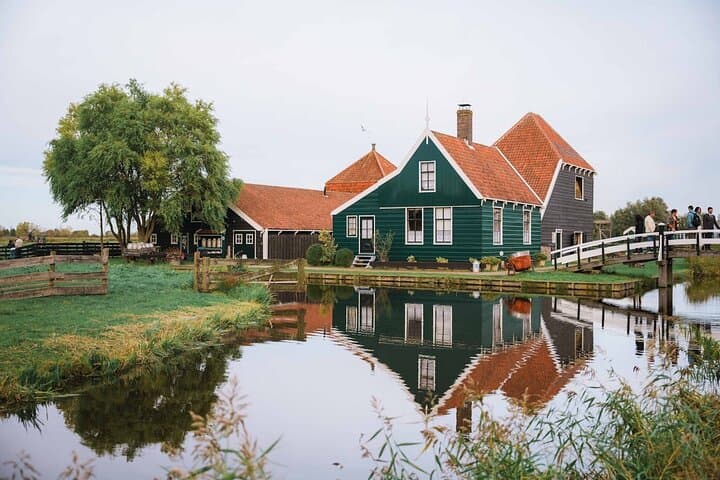
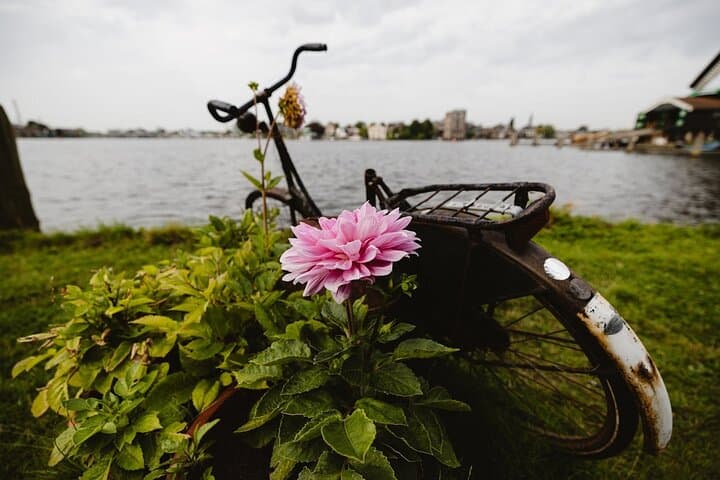
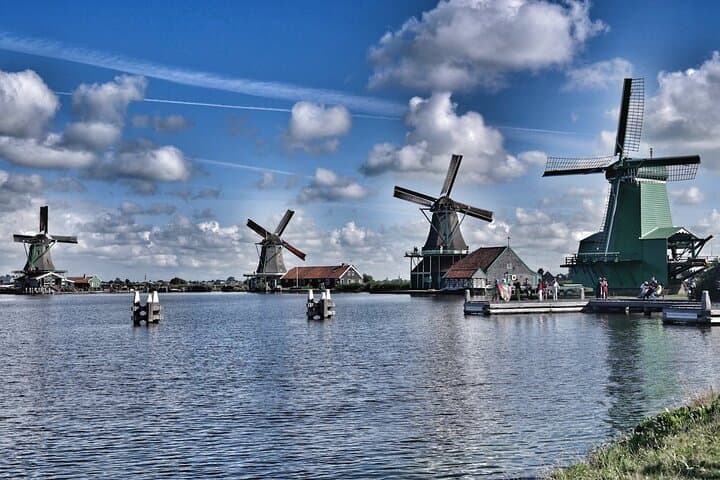
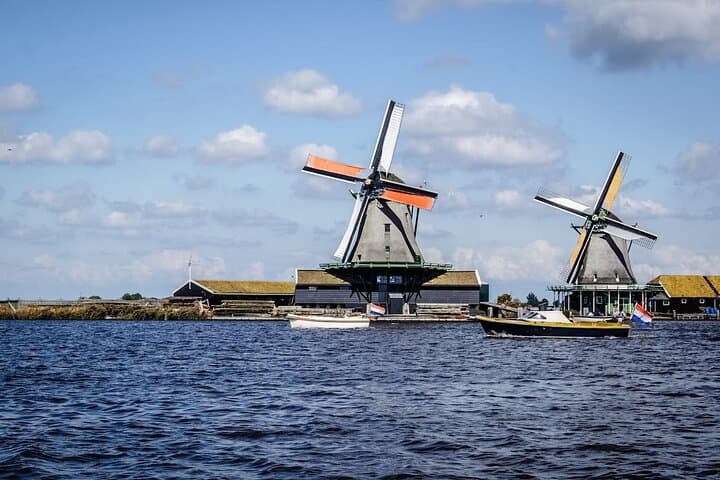
You step off the coach into the soft, country light of North Holland: windmills turn like slow answers to an old question, canals mouthed with reed beds, and wooden houses line narrow streets that remember fishermen.
You step off the coach into the soft, country light of North Holland: windmills turn like slow answers to an old question, canals mouthed with reed beds, and wooden houses line narrow streets that remember fishermen.
The route threads history and craft—Zaanse Schans preserves functioning 18th- and 19th-century windmills once used for sawing wood, oil pressing and grain milling; Edam’s compact streets recall medieval trade in dairy; Volendam still smells faintly of smoke from traditional fish smokehouses; Marken retains island-built wooden cottages and a fishing community identity shaped by the Zuiderzee’s tides.
Geology here is coastal lowland: reclaimed polder, clay soils and a landscape shaped by human engineering—dikes, pumps and wind power. Culturally, the area shows pragmatic Dutch ingenuity: wind-driven industry, communal water management and a long dairy tradition visible in tasting rooms and clog workshops.
Expect short, flat walks, craft demonstrations, and plenty of photo stops rather than strenuous hiking. Guides focus on stories—how a mill once powered a sawmill, why Marken’s houses are built on raised foundations, and how Edam cheese became exportable.
Practical guidance: dress in layers and waterproofs; footwear should handle muddy quays; bring a small local-currency amount for markets and snacks; plan for an 8-hour day with pauses for cheese tastings and a lunch break in Volendam or Marken. Morning light is best for windmill photos; late afternoon returns to Amsterdam around dusk. This is a culturally rich, low-impact day trip that rewards curious travelers who like craft, history and shoreline scenery.