THE ADVENTURE COLLECTIVE® · Independent discovery and booking for outdoor travel

A full-day private transfer from Delhi to Agra that delivers sunrise or daytime views of the Taj Mahal, a guided visit to Agra Fort and the Baby Taj, plus buffet lunch and door-to-door service. Ideal for travelers who want a guided, single-day cultural immersion without overnight logistics.
A full-day private transfer from Delhi to Agra that delivers sunrise or daytime views of the Taj Mahal, a guided visit to Agra Fort and the Baby Taj, plus buffet lunch and door-to-door service. Ideal for travelers who want a guided, single-day cultural immersion without overnight logistics.
You leave Delhi before dawn and the highway narrows the distance into a string of villages and sugarcane fields. By the time the driver eases off the Yamuna Expressway the white silhouette of the Taj Mahal pulls itself out of the heat haze—marble catching the sun like a held breath; the Yamuna below seems to dare you to draw closer.
Verified experiences and guided adventures in the surrounding area.
Operated by Saniya Tour & Travels · Agra, Uttar Pradesh
You leave Delhi before dawn and the highway narrows the distance into a string of villages and sugarcane fields. By the time the driver eases off the Yamuna Expressway the white silhouette of the Taj Mahal pulls itself out of the heat haze—marble catching the sun like a held breath; the Yamuna below seems to dare you to draw closer.
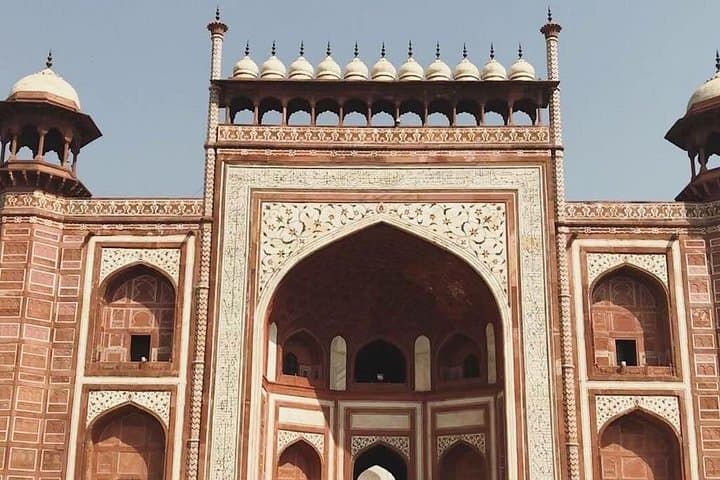
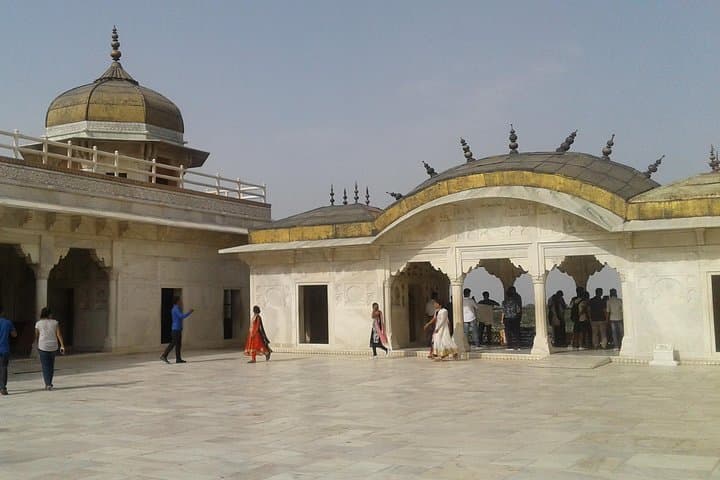
The Taj Mahal was built in the mid-17th century by Mughal emperor Shah Jahan as a mausoleum for Mumtaz Mahal; nearby Agra Fort predates it and offers red-sandstone corridors that frame distant views of the white tomb. Geologically, the Taj’s glow comes from Makrana marble and delicate pietra dura inlay; Agra’s layered landscape—river floodplain and alluvial soils—shaped settlement and trade for centuries.
Culturally the day is a lesson in Mughal patronage and later craft traditions: inlay workshops, carpet sellers and the small, quiet tomb of Itimad-ud-Daulah (the ‘‘Baby Taj’’) reveal different notes of the same era. Mehtab Bagh across the river gives a contemplative, less-crowded vantage.
Practical guidance: expect a 10–14 hour day with several short walks on flat, paved surfaces and some stairs at monuments. Carry photo ID for tickets, sun protection and a refillable water bottle; modest dress speeds security checks. Plan for early entry to avoid midday heat and the largest crowds; pocket the official guide’s tips on where to photograph the mausoleum without obstructing other visitors. Security checkpoints are strict—keep bags minimal—and allow extra time for traffic returning to Delhi.
easy.
10–14 hours.
Suitable for most travelers in normal health; requires getting in/out of vehicles and walking 1–3 miles total.
This private tour’s itinerary lists Taj Mahal, Agra Fort and Itimad-ud-Daulah with admission included—confirm at booking for all entrance fees.
Expect roughly 10–14 hours total depending on traffic; drive time each way on the expressway is typically about 3 hours one-way.
Yes—this tour offers round-trip private transfer and can pick up from hotels or the airport within Delhi/NCR when arranged at booking.
The provider notes wheelchair accessibility, but there are steps and uneven surfaces at historic sites—check with the operator about ramp availability and specific needs.
The Taj Mahal was completed in the 1650s under Shah Jahan; Itimad-ud-Daulah’s tomb, built earlier by Empress Noor Jahan’s family, is an important precursor in white marble work.
Air pollution and visitor pressure affect marble surfaces and on-site conservation—avoid touching monuments, dispose of waste properly and follow guide instructions to reduce impact.
Saniya Tour & Travels operates guided outdoor trips and adventures with an emphasis on safety, stewardship, and memorable experiences.
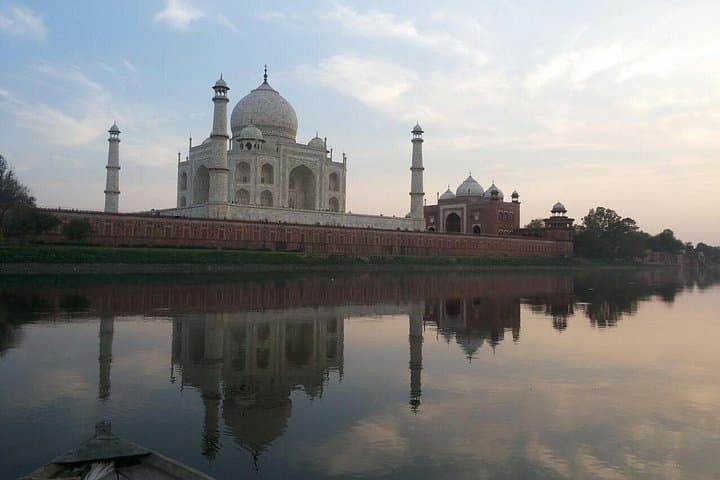
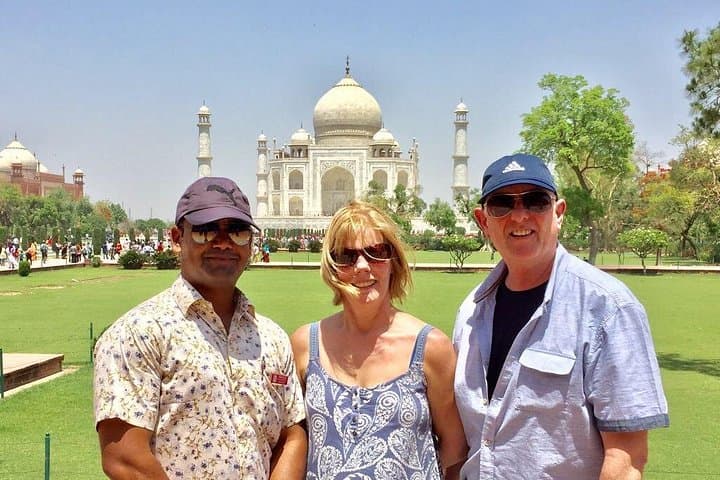
You leave Delhi before dawn and the highway narrows the distance into a string of villages and sugarcane fields. By the time the driver eases off the Yamuna Expressway the white silhouette of the Taj Mahal pulls itself out of the heat haze—marble catching the sun like a held breath; the Yamuna below seems to dare you to draw closer.
You leave Delhi before dawn and the highway narrows the distance into a string of villages and sugarcane fields. By the time the driver eases off the Yamuna Expressway the white silhouette of the Taj Mahal pulls itself out of the heat haze—marble catching the sun like a held breath; the Yamuna below seems to dare you to draw closer.
The Taj Mahal was built in the mid-17th century by Mughal emperor Shah Jahan as a mausoleum for Mumtaz Mahal; nearby Agra Fort predates it and offers red-sandstone corridors that frame distant views of the white tomb. Geologically, the Taj’s glow comes from Makrana marble and delicate pietra dura inlay; Agra’s layered landscape—river floodplain and alluvial soils—shaped settlement and trade for centuries.
Culturally the day is a lesson in Mughal patronage and later craft traditions: inlay workshops, carpet sellers and the small, quiet tomb of Itimad-ud-Daulah (the ‘‘Baby Taj’’) reveal different notes of the same era. Mehtab Bagh across the river gives a contemplative, less-crowded vantage.
Practical guidance: expect a 10–14 hour day with several short walks on flat, paved surfaces and some stairs at monuments. Carry photo ID for tickets, sun protection and a refillable water bottle; modest dress speeds security checks. Plan for early entry to avoid midday heat and the largest crowds; pocket the official guide’s tips on where to photograph the mausoleum without obstructing other visitors. Security checkpoints are strict—keep bags minimal—and allow extra time for traffic returning to Delhi.