THE ADVENTURE COLLECTIVE® · Independent discovery and booking for outdoor travel

Cross the Chile–Peru frontier on a private day tour from Arica to Tacna. Visit the Cathedral attributed to Eiffel, stroll artisan markets, see border monuments, and shop the free zone — all in a guided nine‑hour excursion.
Cross the Chile–Peru frontier on a private day tour from Arica to Tacna. Visit the Cathedral attributed to Eiffel, stroll artisan markets, see border monuments, and shop the free zone — all in a guided nine‑hour excursion.
A morning departure from Arica unfolds like a hinge between countries: the bus eases out of the city, coastal air thinning to dry desert, and the border checkpoint looms with customs booths and the monument of La Concordia. Travelers step off briefly at the Chile–Peru line to see the Christ of La Paz and feel the literal seam where two nations meet.
Verified experiences and guided adventures in the surrounding area.
Operated by Tangol · Tacna, Tacna Region
A morning departure from Arica unfolds like a hinge between countries: the bus eases out of the city, coastal air thinning to dry desert, and the border checkpoint looms with customs booths and the monument of La Concordia. Travelers step off briefly at the Chile–Peru line to see the Christ of La Paz and feel the literal seam where two nations meet.
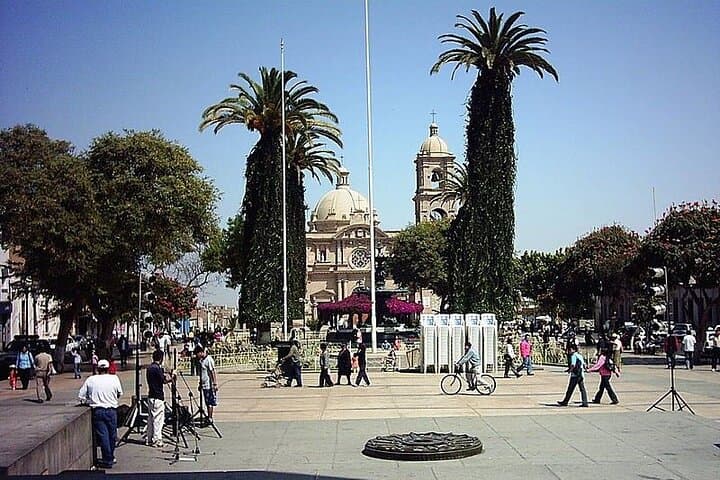
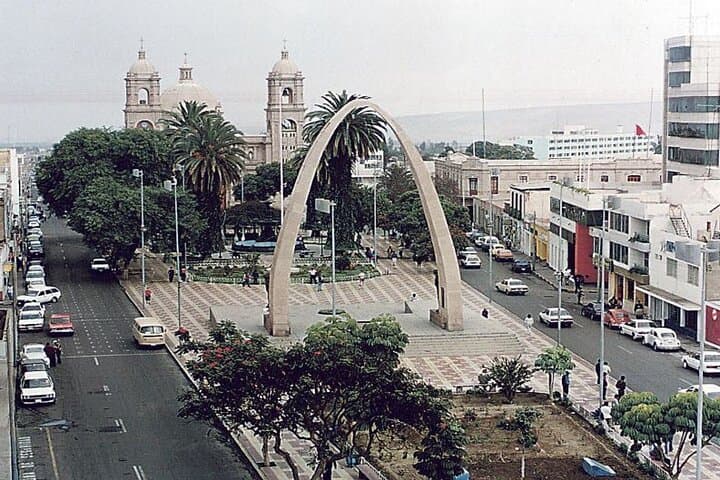
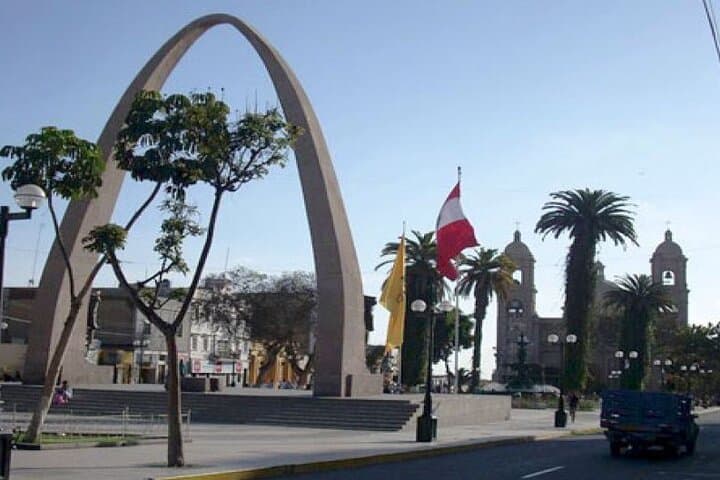
Tacna’s compact center is a blend of 19th-century patriotism and contemporary commerce. The Cathedral — credited in design to Gustave Eiffel — anchors a plaza ringed by statues of Bolognesi and Admiral Grau; avenues carry the history of the War of the Pacific and Tacna’s long path to Peruvian reintegration. Geologically the valley sits where coastal plain meets Andean uplift: wind-carved low hills frame distant snow-tipped peaks on clear days.
Culture is tactile here: artisan markets sell llama and alpaca textiles, and the city’s free zone offers practical shopping opportunities. The guide’s bilingual narration connects monuments to local customs and pinpoints the best stalls for quality handicrafts.
Practically, expect about nine hours total including round-trip driving, border formalities, and roughly three hours exploring the city. Bring your passport and any required visas, comfortable shoes for cobbled streets, and local currency for markets and lunch. Timing matters: morning border crossings are faster, and afternoons can bring heat and crowds in the markets. The day is straightforward, culturally rich, and accessible to most travelers seeking a cross-border snapshot without overnight logistics.
easy.
9 hours.
Light walking on streets and market stalls; suitable for most fitness levels
Yes — all travelers must carry a valid passport; visa requirements depend on nationality, so check Peru’s entry rules before booking.
Lunch is not included; the itinerary allows time to eat in Tacna and guides can recommend local restaurants or market stalls.
Processing varies; plan for 30–60 minutes each way for customs and immigration, longer during peak periods.
Tacna’s free zone offers duty-free shopping on many goods, but carry cash or card and be mindful of customs allowances when returning to Chile.
Tacna played a central role in post–War of the Pacific politics and remained a focal city during territorial disputes; its monuments and avenues reflect that patriotic history.
Support local artisans and avoid buying items made from protected wildlife; respect market hygiene and pack out litter to minimize tourism impact.
Tangol operates guided outdoor trips and adventures with an emphasis on safety, stewardship, and memorable experiences.
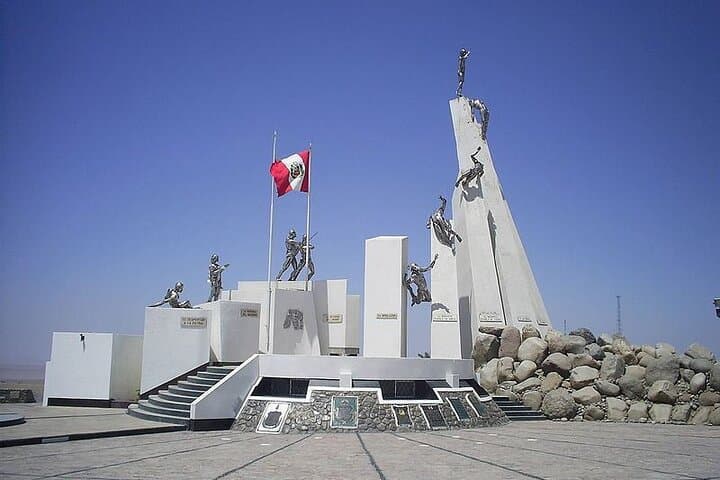
A morning departure from Arica unfolds like a hinge between countries: the bus eases out of the city, coastal air thinning to dry desert, and the border checkpoint looms with customs booths and the monument of La Concordia. Travelers step off briefly at the Chile–Peru line to see the Christ of La Paz and feel the literal seam where two nations meet.
A morning departure from Arica unfolds like a hinge between countries: the bus eases out of the city, coastal air thinning to dry desert, and the border checkpoint looms with customs booths and the monument of La Concordia. Travelers step off briefly at the Chile–Peru line to see the Christ of La Paz and feel the literal seam where two nations meet.
Tacna’s compact center is a blend of 19th-century patriotism and contemporary commerce. The Cathedral — credited in design to Gustave Eiffel — anchors a plaza ringed by statues of Bolognesi and Admiral Grau; avenues carry the history of the War of the Pacific and Tacna’s long path to Peruvian reintegration. Geologically the valley sits where coastal plain meets Andean uplift: wind-carved low hills frame distant snow-tipped peaks on clear days.
Culture is tactile here: artisan markets sell llama and alpaca textiles, and the city’s free zone offers practical shopping opportunities. The guide’s bilingual narration connects monuments to local customs and pinpoints the best stalls for quality handicrafts.
Practically, expect about nine hours total including round-trip driving, border formalities, and roughly three hours exploring the city. Bring your passport and any required visas, comfortable shoes for cobbled streets, and local currency for markets and lunch. Timing matters: morning border crossings are faster, and afternoons can bring heat and crowds in the markets. The day is straightforward, culturally rich, and accessible to most travelers seeking a cross-border snapshot without overnight logistics.