THE ADVENTURE COLLECTIVE® · Independent discovery and booking for outdoor travel

Spend a full day exploring southeastern Sicily: Roman and Greek ruins in Syracuse, the waterfront market and cathedral of Ortigia, and the honey-colored Baroque of Noto. This private tour from Taormina blends history, tasting, and guided walks into an 8–9 hour cultural route.
Spend a full day exploring southeastern Sicily: Roman and Greek ruins in Syracuse, the waterfront market and cathedral of Ortigia, and the honey-colored Baroque of Noto. This private tour from Taormina blends history, tasting, and guided walks into an 8–9 hour cultural route.
The driver eases the small van onto the coastal road and the view opens: the Ionian Sea glazing toward Ortigia’s limestone edges while the hills of Noto melt into a honeyed horizon. In a single, long day the tour moves from Taormina’s cliffside energy into Syracuse’s ancient stones, onto Ortigia’s market lanes, and finishes beneath Noto’s baroque façades — a paced survey of Sicily’s layered past.
Verified experiences and guided adventures in the surrounding area.
Operated by Sicily Day By Day · Syracuse, Sicily
The driver eases the small van onto the coastal road and the view opens: the Ionian Sea glazing toward Ortigia’s limestone edges while the hills of Noto melt into a honeyed horizon. In a single, long day the tour moves from Taormina’s cliffside energy into Syracuse’s ancient stones, onto Ortigia’s market lanes, and finishes beneath Noto’s baroque façades — a paced survey of Sicily’s layered past.
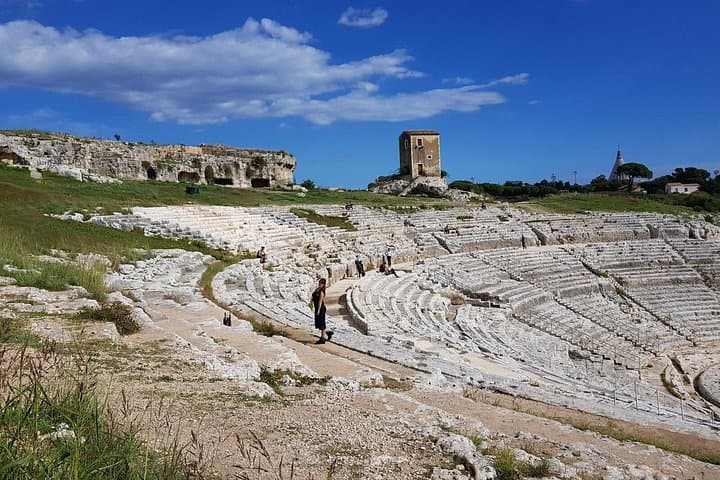
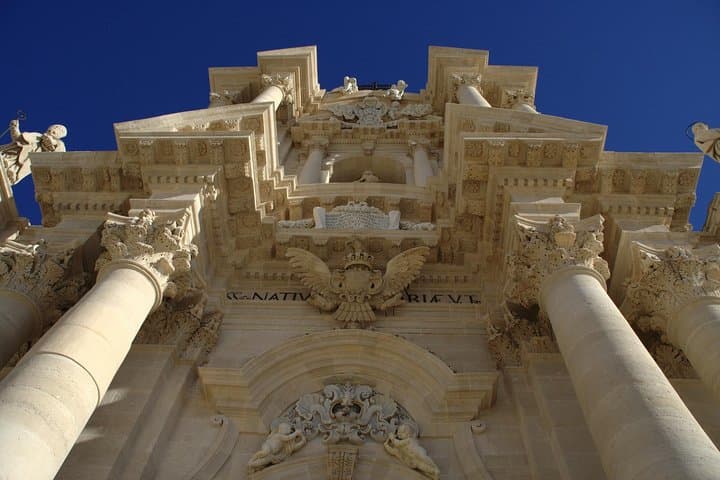
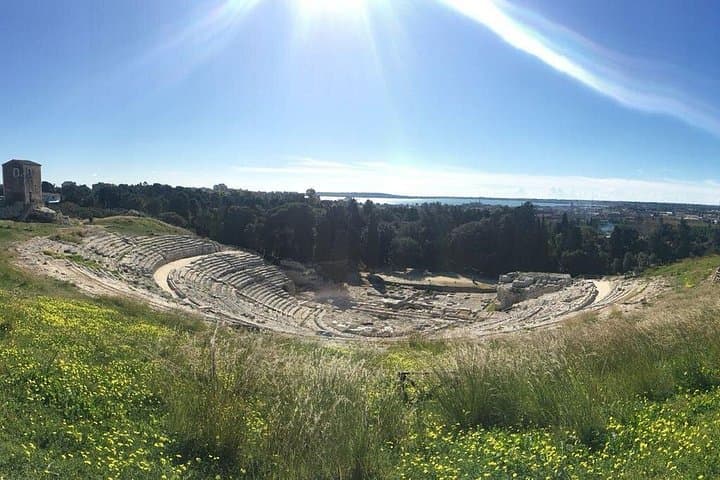
Syracuse carries a classical footprint: Greek theatre terraces carved into the Neapolis plateau, Roman quarries, and a coastline that shaped trade and siege. Ortigia is the island core where fishermen, markets, and a cathedral built over a Temple of Athena show centuries of reuse. Noto, reborn after an 18th-century earthquake, reads like an open-air lesson in Sicilian Baroque—sandstone façades, ornate balconies, and scale that favors walking.
Practical guidance: expect an 8–9 hour day with frequent short walks and standing portions during site visits. Comfortable, broken-in shoes and sun protection matter more than technical gear. The tour includes snacks, bottled water and a taste of Etna wine; admissions for major sites are noted on the itinerary but confirm specifics when booking. Start early to beat midday heat in summer and carry a small change purse for market purchases or café stops.
Timing and pacing are practical: plan for several short photo stops and one longer visit in each town. Travelers with limited mobility should check pickup logistics; families will find the rhythm gentle but full — an efficient, on-the-ground primer to southeast Sicily’s archaeology and baroque architecture.
easy.
8–9 hours.
Light stamina for several hours of walking and standing; suitable for most travelers who can manage stairs and short walks.
Tour details list admissions for major sites like the Archaeological Park and Ortigia visits; confirm the exact inclusions on your booking confirmation.
Pickup and drop-off are provided in Taormina and the nearby area—specify your hotel or meeting point at booking.
Yes; infants and small children can use strollers, and infant seats are available—note that some archaeological areas have uneven ground.
Full refunds are typically available if canceled at least 24 hours before departure; adverse weather or insufficient travelers may also trigger cancellation.
Syracuse was a major Greek colony and cultural center; Noto was rebuilt in the 18th century after an earthquake and defines Sicilian Baroque architecture.
High visitor numbers put wear on soft limestone façades and archaeological sites; stick to marked paths, avoid touching fragile surfaces, and support local conservation efforts by following site rules.
Sicily Day By Day operates guided outdoor trips and adventures with an emphasis on safety, stewardship, and memorable experiences.
The driver eases the small van onto the coastal road and the view opens: the Ionian Sea glazing toward Ortigia’s limestone edges while the hills of Noto melt into a honeyed horizon. In a single, long day the tour moves from Taormina’s cliffside energy into Syracuse’s ancient stones, onto Ortigia’s market lanes, and finishes beneath Noto’s baroque façades — a paced survey of Sicily’s layered past.
The driver eases the small van onto the coastal road and the view opens: the Ionian Sea glazing toward Ortigia’s limestone edges while the hills of Noto melt into a honeyed horizon. In a single, long day the tour moves from Taormina’s cliffside energy into Syracuse’s ancient stones, onto Ortigia’s market lanes, and finishes beneath Noto’s baroque façades — a paced survey of Sicily’s layered past.
Syracuse carries a classical footprint: Greek theatre terraces carved into the Neapolis plateau, Roman quarries, and a coastline that shaped trade and siege. Ortigia is the island core where fishermen, markets, and a cathedral built over a Temple of Athena show centuries of reuse. Noto, reborn after an 18th-century earthquake, reads like an open-air lesson in Sicilian Baroque—sandstone façades, ornate balconies, and scale that favors walking.
Practical guidance: expect an 8–9 hour day with frequent short walks and standing portions during site visits. Comfortable, broken-in shoes and sun protection matter more than technical gear. The tour includes snacks, bottled water and a taste of Etna wine; admissions for major sites are noted on the itinerary but confirm specifics when booking. Start early to beat midday heat in summer and carry a small change purse for market purchases or café stops.
Timing and pacing are practical: plan for several short photo stops and one longer visit in each town. Travelers with limited mobility should check pickup logistics; families will find the rhythm gentle but full — an efficient, on-the-ground primer to southeast Sicily’s archaeology and baroque architecture.