THE ADVENTURE COLLECTIVE® · Independent discovery and booking for outdoor travel

Drive from Southampton through rolling downland to an 18th‑century spa city and a 4,500‑year‑old stone circle in one private day. This guided tour blends Roman baths, Georgian architecture and prehistoric mystery with practical pacing and local context.
Drive from Southampton through rolling downland to an 18th‑century spa city and a 4,500‑year‑old stone circle in one private day. This guided tour blends Roman baths, Georgian architecture and prehistoric mystery with practical pacing and local context.
A fresh morning light slides across Southampton Water as a private, air-conditioned vehicle eases out of the cruise terminal and onto the chalk-scarred lanes of southern England. Within an hour the city gives way to rolling downland; the driver takes the bends while a guide begins to layer the landscape with dates, voices and questions—Roman rituals in one breath, Bronze Age engineering in the next.
Verified experiences and guided adventures in the surrounding area.
Operated by Uopera tours · Southampton, Hampshire
A fresh morning light slides across Southampton Water as a private, air-conditioned vehicle eases out of the cruise terminal and onto the chalk-scarred lanes of southern England. Within an hour the city gives way to rolling downland; the driver takes the bends while a guide begins to layer the landscape with dates, voices and questions—Roman rituals in one breath, Bronze Age engineering in the next.
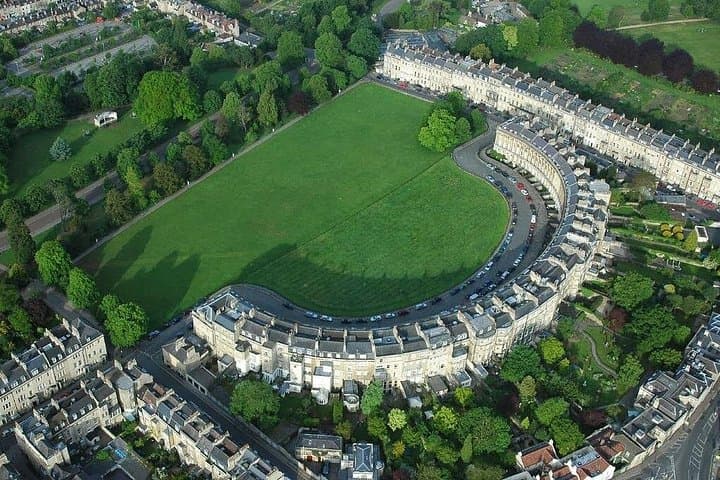
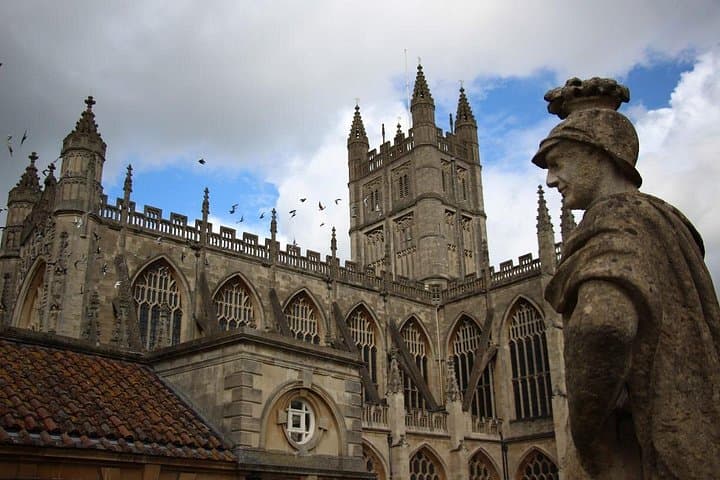
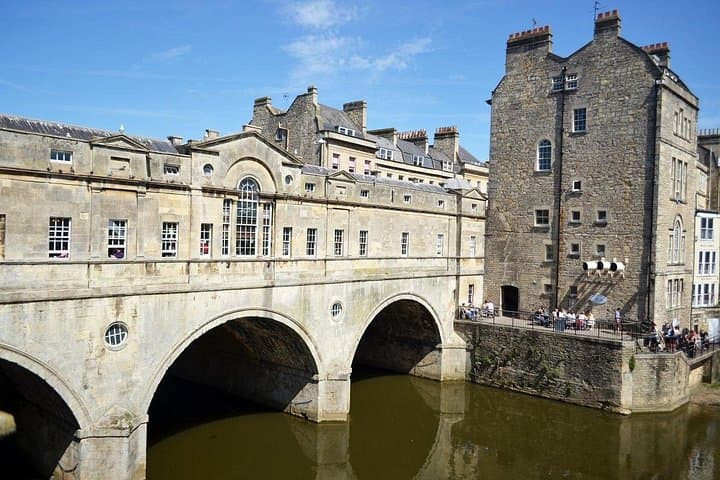
Bath arrives as a compact Georgian city of honey-colored stone, where the Roman Baths and Bath Abbey sit like chapters in an open book. The River Avon cuts a slow line through Palladian bridges and crescent-shaped terraces; the Royal Crescent and The Circus frame civic ambition from the 18th century. Geology underpins both sites: thermal springs forged by deep faults feed Bath’s Roman heritage, while the Wiltshire chalk was the medium for Neolithic builders at Stonehenge.
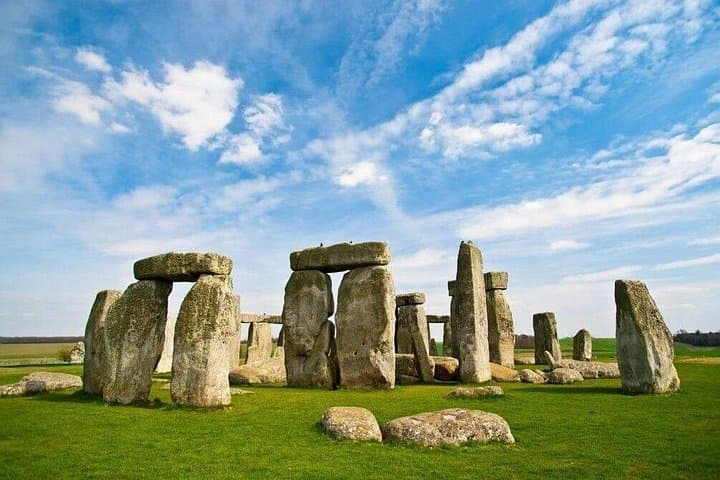
Stonehenge presents a different mood—winded, spare, deliberate—a prehistoric arrangement that still invites debate about astronomy and ceremony. Visitors will experience curated sightlines and interpretation from English Heritage, with options to approach the stones on special access tours.
Practical guidance: the full-day loop is roughly eight hours from Southampton, with walking on paved city streets and grassy, uneven paths at Stonehenge. Wear supportive footwear, pack a waterproof layer and allow time for guided explanations and short walks. Lunch in Bath ranges from casual cafés to gastropubs near the abbey; aim for an early start to avoid peak crowds and bring a camera with a wide-angle lens for architecture and landscape shots.
easy.
8 hours.
Suitable for most fitness levels; involves walking on city pavements and short stretches over grass and gravel.
Yes—this tour lists entrance tickets as included, so you won’t need to purchase admission for the Roman Baths or Stonehenge separately.
The guide meets guests at Southampton Cruise Terminal or at a Southampton hotel; return is to the same pickup point.
The itinerary is classified as easy, but Stonehenge and some Bath attractions have uneven surfaces; contact the operator prior to booking to discuss accessibility and alternatives.
This experience is non-refundable—bookings are final, so confirm travel plans before purchasing.
Bath grew around naturally occurring thermal springs used since Roman times; Stonehenge is a Neolithic monument roughly 4,500 years old with complex ceremonial significance.
Both sites are managed by conservation bodies (Bath by the city and trusts; Stonehenge by English Heritage) with active efforts to limit erosion—stay on marked paths and follow site rules to protect fragile archaeology.
Uopera tours operates guided outdoor trips and adventures with an emphasis on safety, stewardship, and memorable experiences.
A fresh morning light slides across Southampton Water as a private, air-conditioned vehicle eases out of the cruise terminal and onto the chalk-scarred lanes of southern England. Within an hour the city gives way to rolling downland; the driver takes the bends while a guide begins to layer the landscape with dates, voices and questions—Roman rituals in one breath, Bronze Age engineering in the next.
A fresh morning light slides across Southampton Water as a private, air-conditioned vehicle eases out of the cruise terminal and onto the chalk-scarred lanes of southern England. Within an hour the city gives way to rolling downland; the driver takes the bends while a guide begins to layer the landscape with dates, voices and questions—Roman rituals in one breath, Bronze Age engineering in the next.
Bath arrives as a compact Georgian city of honey-colored stone, where the Roman Baths and Bath Abbey sit like chapters in an open book. The River Avon cuts a slow line through Palladian bridges and crescent-shaped terraces; the Royal Crescent and The Circus frame civic ambition from the 18th century. Geology underpins both sites: thermal springs forged by deep faults feed Bath’s Roman heritage, while the Wiltshire chalk was the medium for Neolithic builders at Stonehenge.
Stonehenge presents a different mood—winded, spare, deliberate—a prehistoric arrangement that still invites debate about astronomy and ceremony. Visitors will experience curated sightlines and interpretation from English Heritage, with options to approach the stones on special access tours.
Practical guidance: the full-day loop is roughly eight hours from Southampton, with walking on paved city streets and grassy, uneven paths at Stonehenge. Wear supportive footwear, pack a waterproof layer and allow time for guided explanations and short walks. Lunch in Bath ranges from casual cafés to gastropubs near the abbey; aim for an early start to avoid peak crowds and bring a camera with a wide-angle lens for architecture and landscape shots.