
Private Day Tour to Sikandra, Mariam's Tomb & Chini Ka Rauza from Delhi
A full-day private tour from Delhi that opens Agra’s quieter Mughal sites—Sikandra, Mariam’s Tomb and Chini Ka Rauza—offering intimate architecture, Persian tiles, and calm gardens away from the Taj Mahal crowds. Ideal for travelers seeking depth, not just a photo stop.
An Adventure In Agra.
A full-day private tour from Delhi that opens Agra’s quieter Mughal sites—Sikandra, Mariam’s Tomb and Chini Ka Rauza—offering intimate architecture, Persian tiles, and calm gardens away from the Taj Mahal crowds. Ideal for travelers seeking depth, not just a photo stop.
Read the full experience
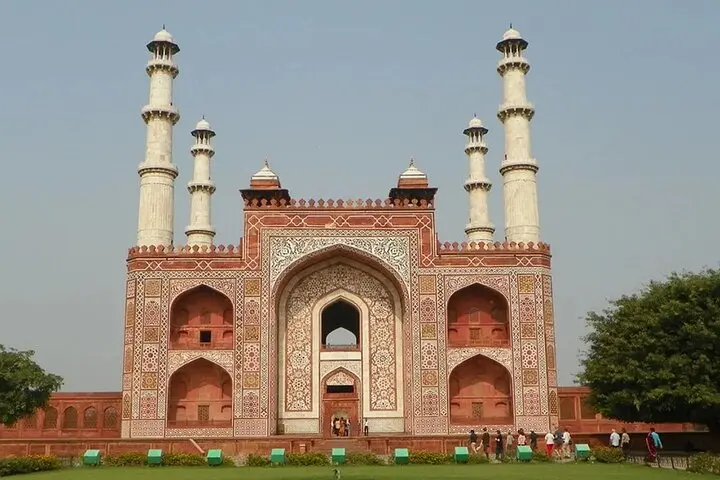
You step out of an air-conditioned sedan into the warm breath of Agra morning: broad red-sandstone gateways, sparrows darting through arched corridors, and the murmur of vendors beyond the garden walls. The day opens at Sikandra, Akbar’s tomb, where the scale of stone and the rhythm of carved jali invite slow walking and careful listening. Peacocks preen in the lawns while the marble and sandstone planes shift color as the sun climbs.
You step out of an air-conditioned sedan into the warm breath of Agra morning: broad red-sandstone gateways, sparrows darting through arched corridors, and the murmur of vendors beyond the garden walls. The day opens at Sikandra, Akbar’s tomb, where the scale of stone and the rhythm of carved jali invite slow walking and careful listening. Peacocks preen in the lawns while the marble and sandstone planes shift color as the sun climbs.
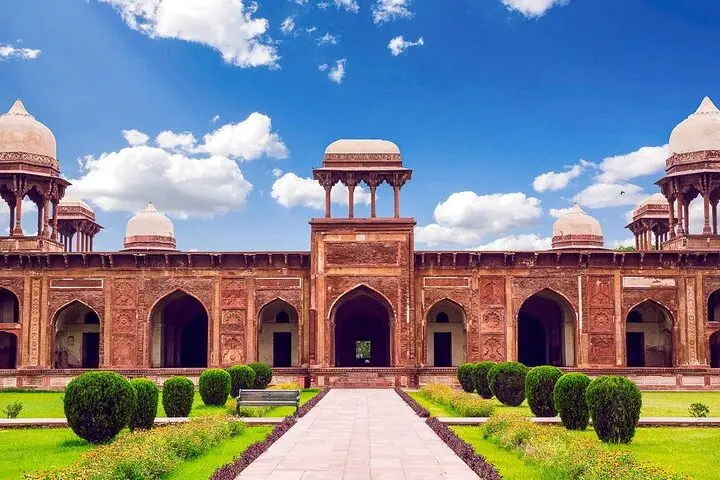
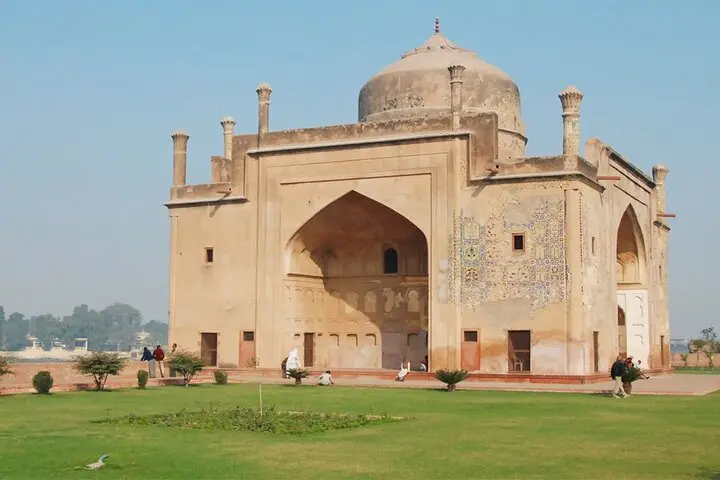
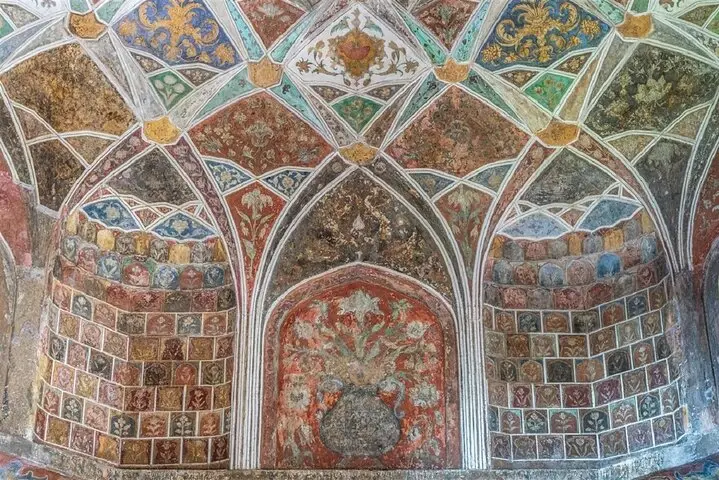
These three sites map a quieter chapter of Mughal Agra. Sikandra reflects Akbar’s syncretic approach, blending Hindu, Islamic, Jain, and Buddhist motifs in a planned charbagh layout. Mariam’s Tomb tells a personal story of imperial alliances—Rajput and Mughal—expressed in restrained red sandstone arcs. Chini Ka Rauza shows Persian influence through glazed tiles that survived the city’s dust and humidity, an artistic counterpoint to the more famous marble mausoleums.
Geology here is simple: all monuments rest on alluvial plains beside the Yamuna, which has long shaped settlement and erosion patterns. Culturally, these sites give a slower, less crowded look at Mughal patronage.
Practical guidance: expect 10–12 hours for the round-trip from Delhi; wear cushioned walking shoes for paved and uneven surfaces, carry water and sun protection, and set aside time for a relaxed lunch at a recommended hotel. Photography is allowed but be respectful of religious and conservation rules. Early starts avoid the worst traffic and heat; your licensed guide will handle tickets and logistics, letting you focus on the architecture and stories that connect these quieter corners of Agra.
Frequently asked questions
Yes; this private tour includes entrance tickets for the listed monuments as part of the package.
The drive is roughly 3.5–4 hours one way depending on traffic; the full excursion is planned as a long day trip.
Yes; the itinerary is low-impact with mostly flat walking, but it’s not recommended for pregnant travelers per the tour operator.
Yes; the tour offers pickup and drop-off from airport, railway stations, hotels, or any specified location in Delhi.
About This Experience
Taj Heritage Tour operates guided outdoor trips and adventures with an emphasis on safety, stewardship, and memorable experiences.
Adventure tips
Recommended gear
- Comfortable walking shoes: Support and traction for stone steps and garden paths.
- Wide-brim hat & sunscreen: Protection from strong sun during midday visits.
- Reusable water bottle: Helps you stay hydrated and reduces plastic waste.
- Lightweight daypack: Carries water, camera, guidebook and any purchases comfortably.
Photos of the experience
Related adventures & guides
Read the full experience
You step out of an air-conditioned sedan into the warm breath of Agra morning: broad red-sandstone gateways, sparrows darting through arched corridors, and the murmur of vendors beyond the garden walls. The day opens at Sikandra, Akbar’s tomb, where the scale of stone and the rhythm of carved jali invite slow walking and careful listening. Peacocks preen in the lawns while the marble and sandstone planes shift color as the sun climbs.
You step out of an air-conditioned sedan into the warm breath of Agra morning: broad red-sandstone gateways, sparrows darting through arched corridors, and the murmur of vendors beyond the garden walls. The day opens at Sikandra, Akbar’s tomb, where the scale of stone and the rhythm of carved jali invite slow walking and careful listening. Peacocks preen in the lawns while the marble and sandstone planes shift color as the sun climbs.
These three sites map a quieter chapter of Mughal Agra. Sikandra reflects Akbar’s syncretic approach, blending Hindu, Islamic, Jain, and Buddhist motifs in a planned charbagh layout. Mariam’s Tomb tells a personal story of imperial alliances—Rajput and Mughal—expressed in restrained red sandstone arcs. Chini Ka Rauza shows Persian influence through glazed tiles that survived the city’s dust and humidity, an artistic counterpoint to the more famous marble mausoleums.
Geology here is simple: all monuments rest on alluvial plains beside the Yamuna, which has long shaped settlement and erosion patterns. Culturally, these sites give a slower, less crowded look at Mughal patronage.
Practical guidance: expect 10–12 hours for the round-trip from Delhi; wear cushioned walking shoes for paved and uneven surfaces, carry water and sun protection, and set aside time for a relaxed lunch at a recommended hotel. Photography is allowed but be respectful of religious and conservation rules. Early starts avoid the worst traffic and heat; your licensed guide will handle tickets and logistics, letting you focus on the architecture and stories that connect these quieter corners of Agra.
Make a day of it nearby.
Verified experiences and guided adventures in the surrounding area.