THE ADVENTURE COLLECTIVE® · Independent discovery and booking for outdoor travel

Climb the vertiginous Lion’s Rock at Sigiriya, then walk the stone avenues and colossal Buddhas of Polonnaruwa on a private day tour from Kandy. This guided route pairs dramatic views with archaeological depth—and practical tips to make the most of a long, rewarding day.
Climb the vertiginous Lion’s Rock at Sigiriya, then walk the stone avenues and colossal Buddhas of Polonnaruwa on a private day tour from Kandy. This guided route pairs dramatic views with archaeological depth—and practical tips to make the most of a long, rewarding day.
You step out of the air‑conditioned van into a heat that seems to press the plain down into relief—grasslands, scrub, and the sudden vertical cut of a rock rising like a stone fist. Sigiriya, the so‑called Lion’s Rock, dominates the Cultural Triangle, its sheer sides scarred by iron staircases and the handprints of centuries.
Verified experiences and guided adventures in the surrounding area.
Operated by Inpura Travels · Kandy, Central Province
You step out of the air‑conditioned van into a heat that seems to press the plain down into relief—grasslands, scrub, and the sudden vertical cut of a rock rising like a stone fist. Sigiriya, the so‑called Lion’s Rock, dominates the Cultural Triangle, its sheer sides scarred by iron staircases and the handprints of centuries.
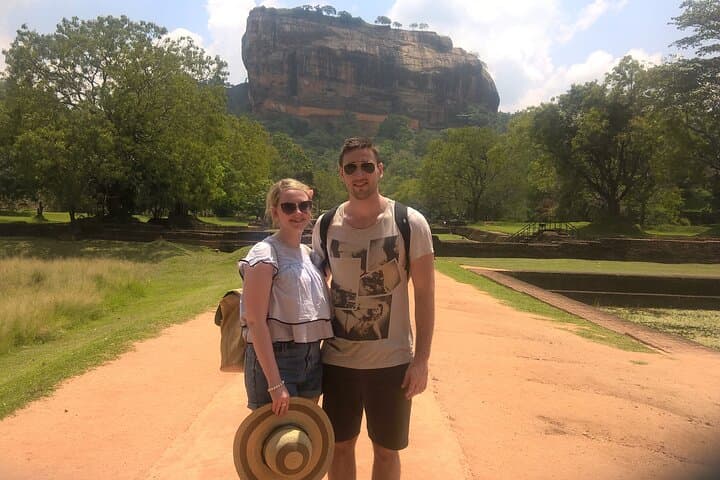
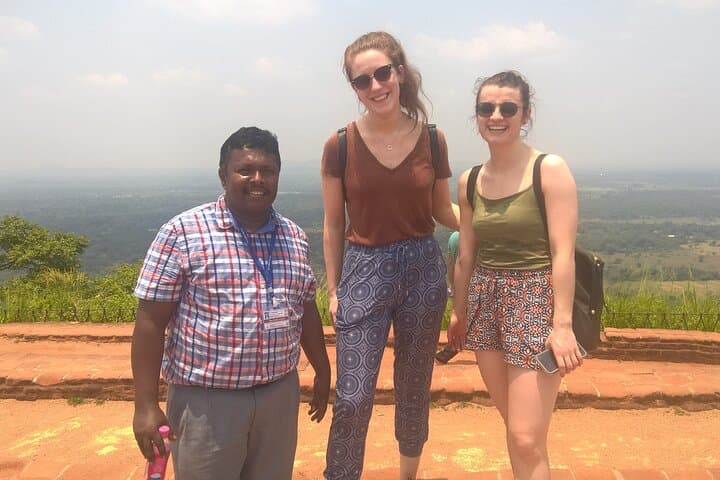
Begin at the formal water gardens: low canals and curved pools interrupt the flat landscape, their geometry and pavilions quieter evidence of deliberate, royal design. The path sweeps you toward the base of the rock, where a narrow staircase leads past faded frescoes and a mirrored wall before the final climb—roughly 1,200 steps and about 200 meters of vertical exposure—rewards you with a view that makes the effort logical. From the summit, the plain opens like a map of medieval ambitions: the remains of moated palaces, distant lakes, and small villages where buffalo graze.
The afternoon moves to Polonnaruwa, the medieval capital that replaced Anuradhapura as the island’s political heart. Here, stone Buddhas carved from living rock at Gal Viharaya, the concentric Vatadage, and the broad, ceremonial remains of Parakramabahu’s palace speak to engineering that harnessed both masonry and irrigation. Lankathilaka’s towering brick façade and the embossed guard stones link the island’s Buddhist culture to a courtly world of irrigation, trade, and imperial display.
Geology and history collide: the hard volcanic plugs like Sigiriya rose through softer sediment, creating natural fortresses that kings converted into palaces; Polonnaruwa grew on riverine plains irrigated by tanks and canals, a demonstration of landscape engineering that still waters fields today.
Practicalities: this is a full‑day private tour—expect about 7 hours on the road and site time, and allow 2–3 hours driving from Kandy to Sigiriya depending on traffic. Wear grippy shoes for the stair sections, bring at least 1–1.5 liters of water, and carry sun protection; the climb is exposed and humid. Entrance to Sigiriya is typically included on organized tours, but plan cash for lunch with villagers and any extra museum fees in Polonnaruwa.
Cultural notes: dress respectfully at archaeological sites—shoulders and knees covered—and remove hats in temple precincts. If you want softer light for photos, aim for early morning on Sigiriya before the heat builds, or late afternoon in Polonnaruwa when sculpted faces take on deeper relief.
A private tour like this compresses centuries into one day—royal ambition, hydraulic mastery, and raw stone—making it ideal for travelers who want an intense, guided introduction to Sri Lanka’s ancient heart.
moderate.
7 hours (full day).
Moderate fitness: able to handle sustained walking and a steep stair ascent of around 1,200 steps.
Plan for roughly 2–3 hours each way by road, depending on traffic and road conditions.
Tours often include Sigiriya admission; confirm with the operator and carry local currency for lunch or extra museum fees in Polonnaruwa.
The climb involves steep sections and exposed stairways; children and those with mobility issues should assess comfort with heights—guides can help pace the ascent.
Yes—most tours stop for a village lunch at your own expense, which is a good way to sample regional rice and curry dishes.
Photography is allowed in many open areas but follow signage and guide instructions—some protected surfaces are off‑limits to preserve pigments.
Light, breathable clothing that covers shoulders and knees is respectful around religious ruins; comfortable walking shoes are recommended.
Sigiriya was transformed into a fortified palace in the 5th century CE by King Kassapa; Polonnaruwa served as Sri Lanka’s medieval capital in the 11th–13th centuries, famed for its hydraulic engineering and stone sculpture.
The sites are managed to protect fragile frescoes and masonry—stick to marked paths, avoid touching carved surfaces, and dispose of waste in town bins to limit impact.
Inpura Travels operates guided outdoor trips and adventures with an emphasis on safety, stewardship, and memorable experiences.
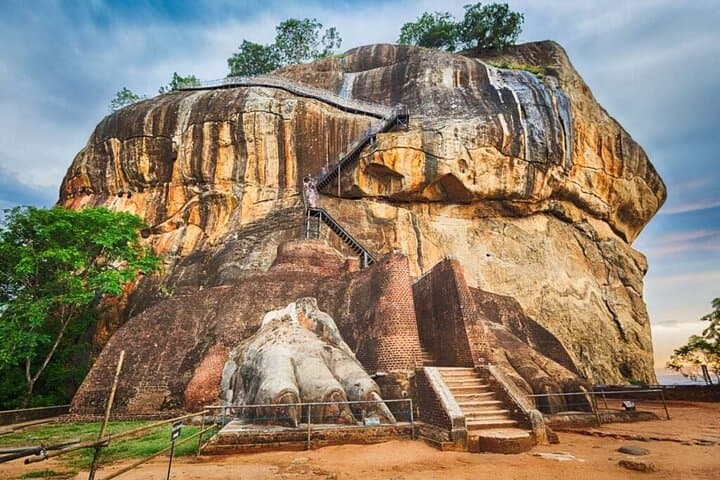
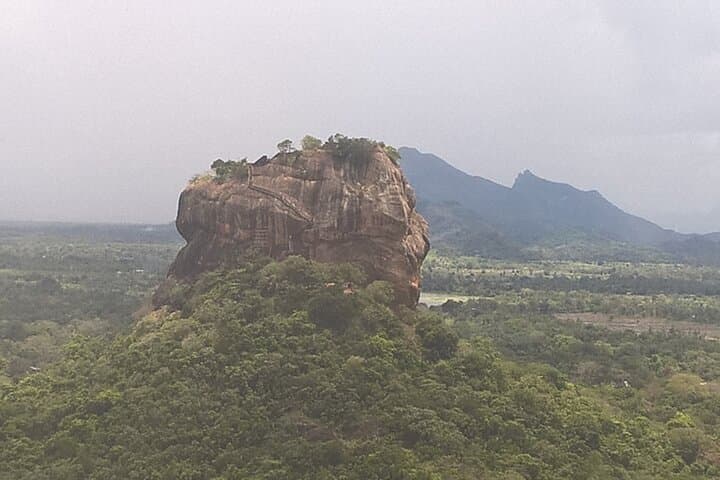
You step out of the air‑conditioned van into a heat that seems to press the plain down into relief—grasslands, scrub, and the sudden vertical cut of a rock rising like a stone fist. Sigiriya, the so‑called Lion’s Rock, dominates the Cultural Triangle, its sheer sides scarred by iron staircases and the handprints of centuries.
You step out of the air‑conditioned van into a heat that seems to press the plain down into relief—grasslands, scrub, and the sudden vertical cut of a rock rising like a stone fist. Sigiriya, the so‑called Lion’s Rock, dominates the Cultural Triangle, its sheer sides scarred by iron staircases and the handprints of centuries.
Begin at the formal water gardens: low canals and curved pools interrupt the flat landscape, their geometry and pavilions quieter evidence of deliberate, royal design. The path sweeps you toward the base of the rock, where a narrow staircase leads past faded frescoes and a mirrored wall before the final climb—roughly 1,200 steps and about 200 meters of vertical exposure—rewards you with a view that makes the effort logical. From the summit, the plain opens like a map of medieval ambitions: the remains of moated palaces, distant lakes, and small villages where buffalo graze.
The afternoon moves to Polonnaruwa, the medieval capital that replaced Anuradhapura as the island’s political heart. Here, stone Buddhas carved from living rock at Gal Viharaya, the concentric Vatadage, and the broad, ceremonial remains of Parakramabahu’s palace speak to engineering that harnessed both masonry and irrigation. Lankathilaka’s towering brick façade and the embossed guard stones link the island’s Buddhist culture to a courtly world of irrigation, trade, and imperial display.
Geology and history collide: the hard volcanic plugs like Sigiriya rose through softer sediment, creating natural fortresses that kings converted into palaces; Polonnaruwa grew on riverine plains irrigated by tanks and canals, a demonstration of landscape engineering that still waters fields today.
Practicalities: this is a full‑day private tour—expect about 7 hours on the road and site time, and allow 2–3 hours driving from Kandy to Sigiriya depending on traffic. Wear grippy shoes for the stair sections, bring at least 1–1.5 liters of water, and carry sun protection; the climb is exposed and humid. Entrance to Sigiriya is typically included on organized tours, but plan cash for lunch with villagers and any extra museum fees in Polonnaruwa.
Cultural notes: dress respectfully at archaeological sites—shoulders and knees covered—and remove hats in temple precincts. If you want softer light for photos, aim for early morning on Sigiriya before the heat builds, or late afternoon in Polonnaruwa when sculpted faces take on deeper relief.
A private tour like this compresses centuries into one day—royal ambition, hydraulic mastery, and raw stone—making it ideal for travelers who want an intense, guided introduction to Sri Lanka’s ancient heart.