THE ADVENTURE COLLECTIVE® · Independent discovery and booking for outdoor travel

Climb the ancient Lion Rock, explore the painted caverns of Dambulla and step into a working Sri Lankan village on a private, all‑inclusive day tour. Early starts, steady stairs and intimate cultural stops make this a full but rewarding introduction to the island’s interior.
Climb the ancient Lion Rock, explore the painted caverns of Dambulla and step into a working Sri Lankan village on a private, all‑inclusive day tour. Early starts, steady stairs and intimate cultural stops make this a full but rewarding introduction to the island’s interior.
You step out of the air-conditioned van into heat that smells faintly of wood smoke and spice — the dry plain around Sigiriya opens wide, punctuated by the sudden, vertical presence of a battered granite monolith that dominates the horizon. On a private day tour that folds two UNESCO sites and a living village into a single itinerary, the landscape takes on the cadence of movement: a winding climb, a hushed cave, a quick lunch with carved wood on the table, then the slow, human pace of a farmer’s courtyard.
Verified experiences and guided adventures in the surrounding area.
Operated by Negombo Transfer · Sigiriya, Central Province
You step out of the air-conditioned van into heat that smells faintly of wood smoke and spice — the dry plain around Sigiriya opens wide, punctuated by the sudden, vertical presence of a battered granite monolith that dominates the horizon. On a private day tour that folds two UNESCO sites and a living village into a single itinerary, the landscape takes on the cadence of movement: a winding climb, a hushed cave, a quick lunch with carved wood on the table, then the slow, human pace of a farmer’s courtyard.
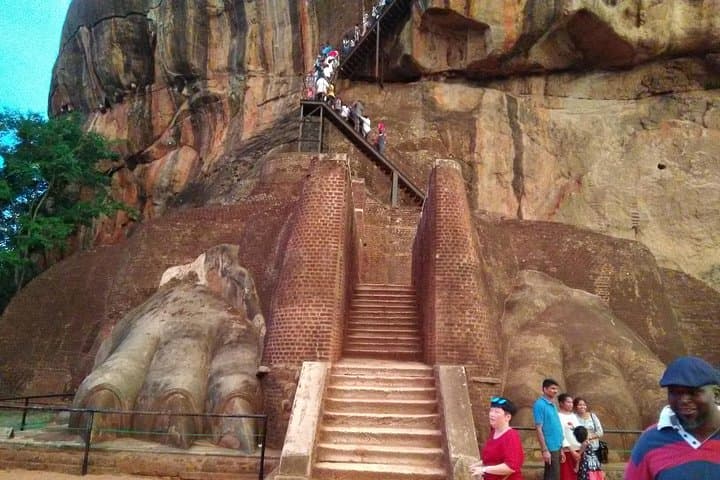
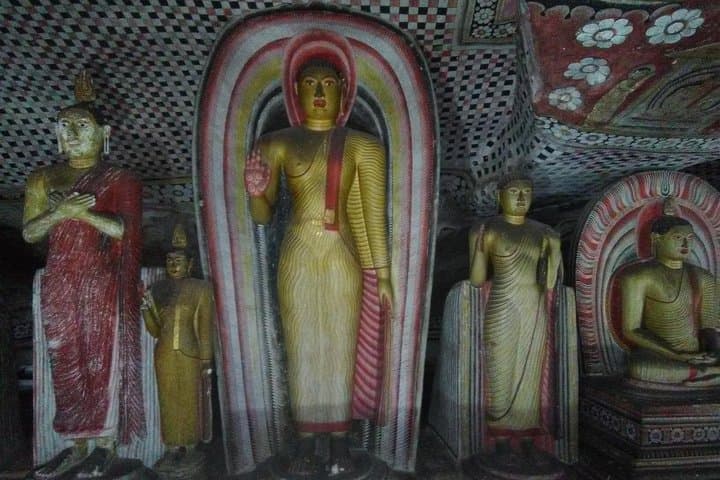
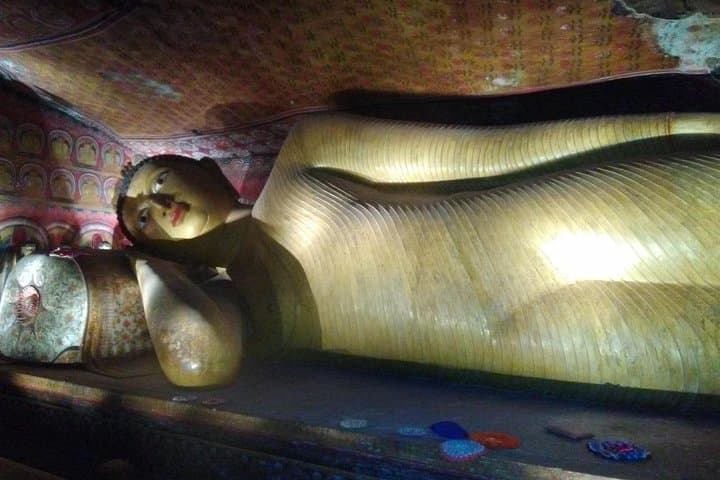
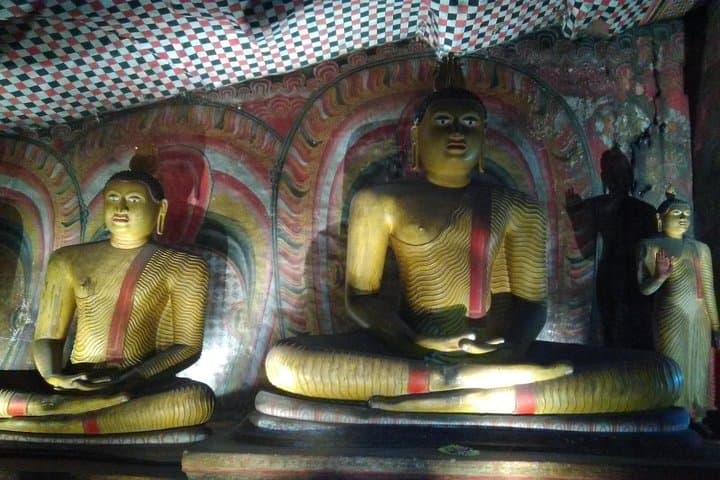
Sigiriya, the fortress-on-a-rock, is a 5th-century ambition carved into the Central Province by King Kashyapa. Its ramparts, water gardens and the battered remains of frescoes narrate a royal experiment in power and display. The climb to the summit — roughly 200 meters above the surrounding plains — uses steel stairways and narrow walkways that thread past mirror-like pools and the famous lion’s paws. Dambulla’s cave temple is older: a sequence of painted caverns hewn into a basalt outcrop, filled with Buddha statues and layered frescoes that span centuries of devotion.
Geology explains the drama. Both sites are the result of volcanic activity and hardened magma that resisted erosion, standing like islands in a sea of laterite soils. The result is abrupt verticality and sweeping panoramic views over rice paddies, tanks and scattered forest — a landscape that has sustained human settlement for millennia.
Culture arrives in the village stop: a ranger of spices laid out on a bench, a demonstration of traditional clay-pot cooking, and a short bullock-cart ride that reorients you to a slower economy. The tour’s private chauffeur-guide threads historical context into local practices, offering insights on how farming, religion and craft intersect in this dry zone.
Practicalities matter. Expect a long day — roughly 12–14 hours from Negombo or the airport — and moderate physical effort: stair climbs, uneven stone, and sun exposure. Dress modestly for temple visits (shoulders and knees covered), bring sturdy shoes, at least 2 liters of water, sun protection and a small daypack. Entrance fees for Sigiriya and Dambulla are usually included in all-inclusive options; confirm ahead.
Timing tips: climb Sigiriya early to avoid heat and crowds; visit Dambulla mid- to late-morning when light brings the cave murals to life. If you want photos of the rock rising from the plain, stop at Pidurangala Rock for a different silhouette. Whether you’re chasing architecture, history or village life, the day feels curated but keeps enough space for discovery — the kind that arrives between one ornate doorway and the next bowl of curry.
moderate.
12–14 hours.
Moderate fitness — you should be comfortable on stairs and walking 2–4 miles on uneven surfaces.
The climb from the entrance to the summit takes about 45–90 minutes depending on pace; expect multiple stair sections and platforms.
All‑inclusive options typically include entrance fees for Sigiriya and Dambulla — confirm at booking if you have the non‑inclusive rate.
Dambulla requires a short set of stairs and some uneven steps but is less strenuous than Sigiriya; moderate mobility is sufficient.
The village experience combines authentic demonstrations (cooking, spice displays) with activities designed for visitors like cart and catamaran rides; it supports local families when booked responsibly.
Vehicles can accommodate infants and wheelchairs for transfer, but Sigiriya and Dambulla have stair sections that are not wheelchair-friendly.
Tipping is customary but discretionary; 10–15% of the tour price shared between guide and driver is a common guideline.
Sigiriya was fortified by King Kashyapa in the 5th century AD; Dambulla’s cave temples preserve Buddhist art and statues spanning over 2,000 years.
Foot traffic wears ancient paths — stick to designated routes, avoid touching frescoes and support community enterprises that reinvest tourism income locally.
Negombo Transfer operates guided outdoor trips and adventures with an emphasis on safety, stewardship, and memorable experiences.
You step out of the air-conditioned van into heat that smells faintly of wood smoke and spice — the dry plain around Sigiriya opens wide, punctuated by the sudden, vertical presence of a battered granite monolith that dominates the horizon. On a private day tour that folds two UNESCO sites and a living village into a single itinerary, the landscape takes on the cadence of movement: a winding climb, a hushed cave, a quick lunch with carved wood on the table, then the slow, human pace of a farmer’s courtyard.
You step out of the air-conditioned van into heat that smells faintly of wood smoke and spice — the dry plain around Sigiriya opens wide, punctuated by the sudden, vertical presence of a battered granite monolith that dominates the horizon. On a private day tour that folds two UNESCO sites and a living village into a single itinerary, the landscape takes on the cadence of movement: a winding climb, a hushed cave, a quick lunch with carved wood on the table, then the slow, human pace of a farmer’s courtyard.
Sigiriya, the fortress-on-a-rock, is a 5th-century ambition carved into the Central Province by King Kashyapa. Its ramparts, water gardens and the battered remains of frescoes narrate a royal experiment in power and display. The climb to the summit — roughly 200 meters above the surrounding plains — uses steel stairways and narrow walkways that thread past mirror-like pools and the famous lion’s paws. Dambulla’s cave temple is older: a sequence of painted caverns hewn into a basalt outcrop, filled with Buddha statues and layered frescoes that span centuries of devotion.
Geology explains the drama. Both sites are the result of volcanic activity and hardened magma that resisted erosion, standing like islands in a sea of laterite soils. The result is abrupt verticality and sweeping panoramic views over rice paddies, tanks and scattered forest — a landscape that has sustained human settlement for millennia.
Culture arrives in the village stop: a ranger of spices laid out on a bench, a demonstration of traditional clay-pot cooking, and a short bullock-cart ride that reorients you to a slower economy. The tour’s private chauffeur-guide threads historical context into local practices, offering insights on how farming, religion and craft intersect in this dry zone.
Practicalities matter. Expect a long day — roughly 12–14 hours from Negombo or the airport — and moderate physical effort: stair climbs, uneven stone, and sun exposure. Dress modestly for temple visits (shoulders and knees covered), bring sturdy shoes, at least 2 liters of water, sun protection and a small daypack. Entrance fees for Sigiriya and Dambulla are usually included in all-inclusive options; confirm ahead.
Timing tips: climb Sigiriya early to avoid heat and crowds; visit Dambulla mid- to late-morning when light brings the cave murals to life. If you want photos of the rock rising from the plain, stop at Pidurangala Rock for a different silhouette. Whether you’re chasing architecture, history or village life, the day feels curated but keeps enough space for discovery — the kind that arrives between one ornate doorway and the next bowl of curry.