THE ADVENTURE COLLECTIVE® · Independent discovery and booking for outdoor travel

Spend a private day cruising from Nosy Be to the remote Mitsio archipelago—snorkel coral flats, walk white-sand beaches, and visit baobab-studded islets with a local guide and lunch included. Ideal for travelers seeking calm waters, wildlife viewing, and pristine island landscapes.
Spend a private day cruising from Nosy Be to the remote Mitsio archipelago—snorkel coral flats, walk white-sand beaches, and visit baobab-studded islets with a local guide and lunch included. Ideal for travelers seeking calm waters, wildlife viewing, and pristine island landscapes.
The morning slips away from Nosy Be in a slick of turquoise; the boat’s bow parts a shallow, coral-studded sea and islands rise like scattered white notes on the horizon. You drop anchor off a beach where the sand is so bright it seems to push light back into the water, and the islands themselves—Mitsio, Tsarabajina, Ankarea—stand small and fiercely green, their interiors threaded with lianas and the occasional baobab.
Verified experiences and guided adventures in the surrounding area.
Operated by Julien gasy guy · Andoany (Hell-Ville), Diana Region
The morning slips away from Nosy Be in a slick of turquoise; the boat’s bow parts a shallow, coral-studded sea and islands rise like scattered white notes on the horizon. You drop anchor off a beach where the sand is so bright it seems to push light back into the water, and the islands themselves—Mitsio, Tsarabajina, Ankarea—stand small and fiercely green, their interiors threaded with lianas and the occasional baobab.
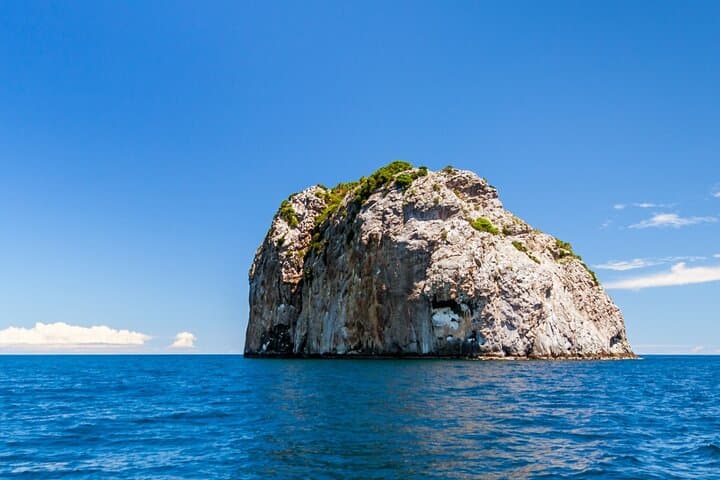
These islets belong to an archipelago shaped by volcanic uplift and coral growth: volcanic rock forms the backbone, while reefs build the shelves that create lagoons and snorkeling flats. The Four Brothers rocks are an avian outpost where terns and boobies rest between foraging trips, and Mitsio’s larger beaches host the small fishing communities that have traded with Nosy Be for generations.
Culturally, time here runs to tides and nets; lunches are often centered on freshly caught fish and Malagasy flavors. Practically, the day tour is 6–7 hours by private boat, best for travelers comfortable boarding small craft and eager to snorkel, beach-walk, and explore short trails through tropical brush. Expect shallow coral flats, sandy landings, and a few low, runnable hills on Tsarabajina.
Bring reef-safe sunscreen, a snorkel mask, a dry bag for electronics, and motion-sickness remedies if you’re sensitive. Aim for an early departure to catch calmer seas and the best mid-morning light for snorkeling. Respect local fishing areas, carry small-denomination cash for access fees or local purchases, and leave no trace—these islands are loved because they remain largely untouched.
easy.
6–7 hours.
Suitable for most fitness levels; requires ability to board a small boat and short beach hikes.
The private tour runs about 6–7 hours and includes private boat transportation, a guide, access fees, and a typical Malagasy lunch.
Some operators provide basic snorkel sets, but bringing your own mask and fins is recommended for comfort and fit.
Mitsio has a small fishing population and long beaches; Tsarabajina and Ankarea are largely uninhabited but safe for guided short hikes and beach walks.
Trips can be canceled for rough seas or bad weather—operators often require cancellation 24 hours prior for full refunds and may reschedule based on conditions.
The archipelago’s human history ties to Malagasy coastal communities and Indian Ocean trading routes; islands have long served as seasonal fishing bases rather than large settlements.
These islands rely on reef health and sustainable fishing; visitors should avoid anchoring on reefs, take reef-safe sunscreen, and follow local guidelines to minimize impact.
Julien gasy guy operates guided outdoor trips and adventures with an emphasis on safety, stewardship, and memorable experiences.
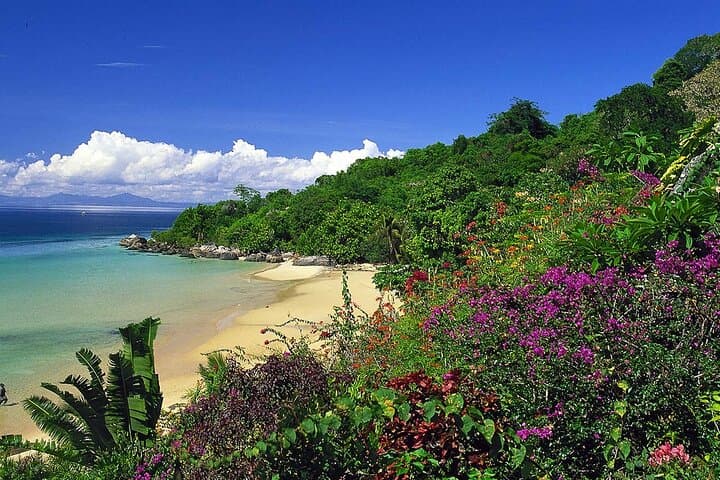
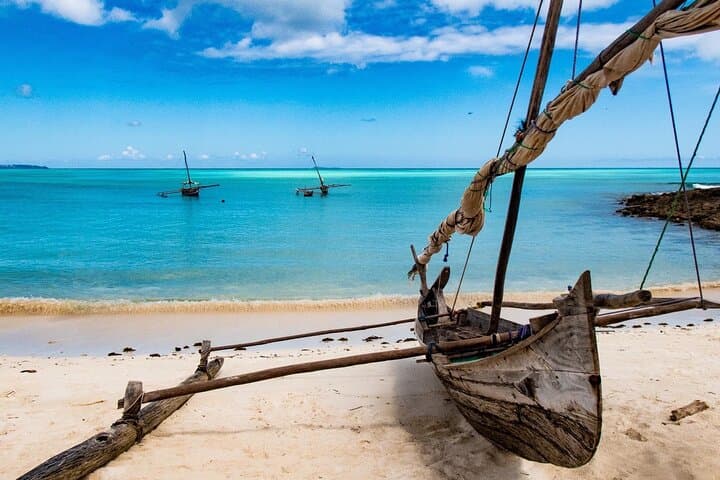
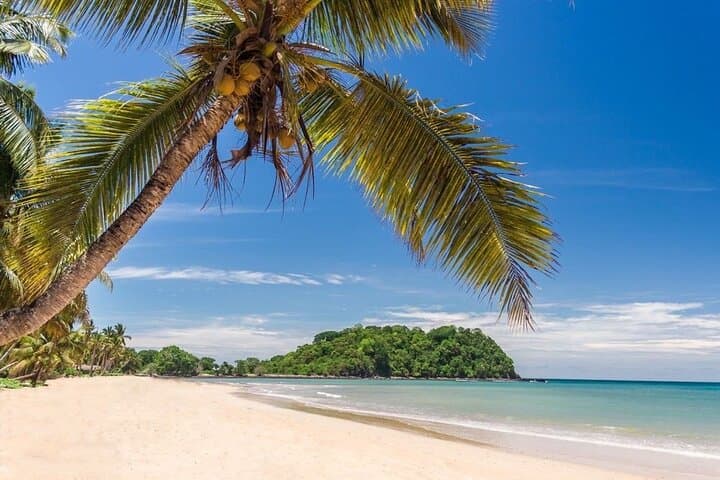
The morning slips away from Nosy Be in a slick of turquoise; the boat’s bow parts a shallow, coral-studded sea and islands rise like scattered white notes on the horizon. You drop anchor off a beach where the sand is so bright it seems to push light back into the water, and the islands themselves—Mitsio, Tsarabajina, Ankarea—stand small and fiercely green, their interiors threaded with lianas and the occasional baobab.
The morning slips away from Nosy Be in a slick of turquoise; the boat’s bow parts a shallow, coral-studded sea and islands rise like scattered white notes on the horizon. You drop anchor off a beach where the sand is so bright it seems to push light back into the water, and the islands themselves—Mitsio, Tsarabajina, Ankarea—stand small and fiercely green, their interiors threaded with lianas and the occasional baobab.
These islets belong to an archipelago shaped by volcanic uplift and coral growth: volcanic rock forms the backbone, while reefs build the shelves that create lagoons and snorkeling flats. The Four Brothers rocks are an avian outpost where terns and boobies rest between foraging trips, and Mitsio’s larger beaches host the small fishing communities that have traded with Nosy Be for generations.
Culturally, time here runs to tides and nets; lunches are often centered on freshly caught fish and Malagasy flavors. Practically, the day tour is 6–7 hours by private boat, best for travelers comfortable boarding small craft and eager to snorkel, beach-walk, and explore short trails through tropical brush. Expect shallow coral flats, sandy landings, and a few low, runnable hills on Tsarabajina.
Bring reef-safe sunscreen, a snorkel mask, a dry bag for electronics, and motion-sickness remedies if you’re sensitive. Aim for an early departure to catch calmer seas and the best mid-morning light for snorkeling. Respect local fishing areas, carry small-denomination cash for access fees or local purchases, and leave no trace—these islands are loved because they remain largely untouched.