THE ADVENTURE COLLECTIVE® · Independent discovery and booking for outdoor travel

See Mount Etna’s volcanic slopes and Taormina’s coastal terraces in a single day. This private tour blends short walks on Etna’s lava fields with cultural stops in Taormina for a compact taste of eastern Sicily.
See Mount Etna’s volcanic slopes and Taormina’s coastal terraces in a single day. This private tour blends short walks on Etna’s lava fields with cultural stops in Taormina for a compact taste of eastern Sicily.
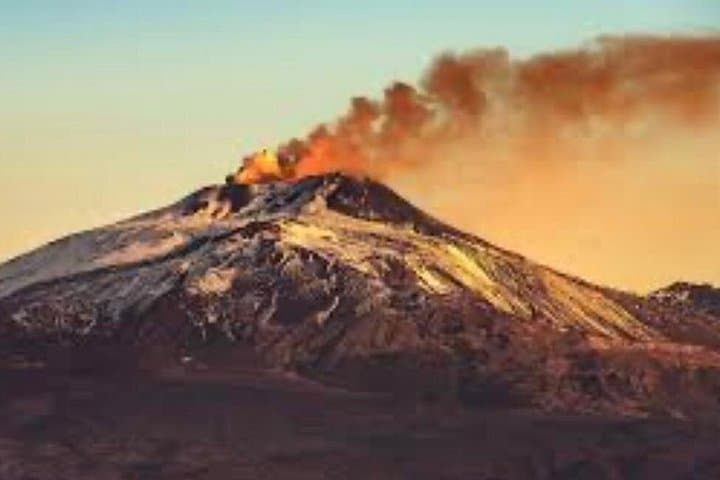
You step out of the vehicle onto black, glassy ash and the air tastes faintly of sulfur; Mount Etna towers above, its ridges cutting a serrated silhouette against the sky. Later, the bus threads narrow switchbacks up to Taormina where a sunlit terrace drops to the Ionian Sea and fishing boats bob like punctuation marks in the bay.
Verified experiences and guided adventures in the surrounding area.
Operated by Private transfer sicily · Taormina, Sicily
You step out of the vehicle onto black, glassy ash and the air tastes faintly of sulfur; Mount Etna towers above, its ridges cutting a serrated silhouette against the sky. Later, the bus threads narrow switchbacks up to Taormina where a sunlit terrace drops to the Ionian Sea and fishing boats bob like punctuation marks in the bay.
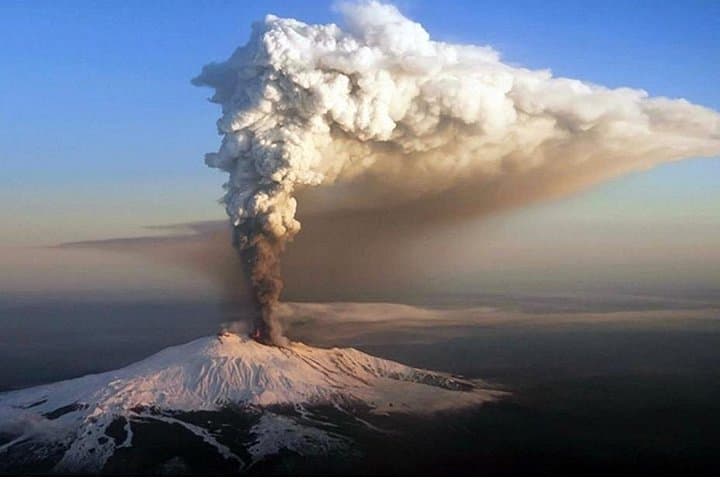
Etna is Europe’s highest active volcano (about 3,300 m at its peak) and a working landscape: lava flows paint the slopes in charcoal, while lower terraces host vineyards and pistachio groves. Geologically, Etna is a product of plate convergence and fissure eruptions—its frequent activity has shaped roads, towns, and local culture for millennia. Taormina perches on Mount Tauro, its Greek-Roman theatre offering sweeping views of sea and summit; the town’s Corso Umberto carries a mix of artisan shops and Sicilian cafés shaped by centuries of Mediterranean trade.
On a one-day private tour you’ll spend the morning on Etna’s eastern slopes — expect short walks on loose volcanic scree, elevation changes of several hundred meters if you disembark for viewpoints, and shifting microclimates (sun, wind, occasional snow in winter). In the afternoon you’ll descend to Taormina for cultural highlights and seaside panoramas.
Practical guidance: start early for clearer views, wear sturdy, grippy shoes and layered clothing, and bring sun protection and 1–2 liters of water. Winter requires insulated layers and waterproof footwear; summer needs sun and shade planning. The tour is transport-heavy but offers frequent, short stops for photos and light walking — ideal for travelers who want both geological drama and coastal charm in a day.
moderate.
6–7 hours.
Light to moderate fitness: able to stand and walk short distances on uneven ground and climb modest steps.
Most day tours visit Etna’s eastern slopes around the Rifugio Sapienza area (~1,900–2,000 m) with short walks; summit access is typically not included without specialized equipment and permits.
Yes — the tour is vehicle-focused with short, optional walks; however, those with serious mobility or cardiovascular issues should consult the operator due to uneven terrain and altitude changes.
No special gear is provided; bring sturdy shoes, layered clothing, and sun protection—operators may offer bottled water and transportation comforts like air-conditioned vehicles.
Operators commonly modify stops if weather or volcanic conditions reduce visibility or access; in winter expect lower on-foot access and possible snow at higher elevations.
Taormina’s Greek-Roman theatre dates to the 3rd century BCE and has hosted performances for centuries; Etna’s eruptions have repeatedly reshaped local settlements since antiquity.
Etna is a protected area with zoning to limit off-trail travel and protect endemic flora; visitors are asked to stick to designated paths and follow local guide instructions to reduce erosion and disturbance.
Private transfer sicily operates guided outdoor trips and adventures with an emphasis on safety, stewardship, and memorable experiences.
You step out of the vehicle onto black, glassy ash and the air tastes faintly of sulfur; Mount Etna towers above, its ridges cutting a serrated silhouette against the sky. Later, the bus threads narrow switchbacks up to Taormina where a sunlit terrace drops to the Ionian Sea and fishing boats bob like punctuation marks in the bay.
You step out of the vehicle onto black, glassy ash and the air tastes faintly of sulfur; Mount Etna towers above, its ridges cutting a serrated silhouette against the sky. Later, the bus threads narrow switchbacks up to Taormina where a sunlit terrace drops to the Ionian Sea and fishing boats bob like punctuation marks in the bay.
Etna is Europe’s highest active volcano (about 3,300 m at its peak) and a working landscape: lava flows paint the slopes in charcoal, while lower terraces host vineyards and pistachio groves. Geologically, Etna is a product of plate convergence and fissure eruptions—its frequent activity has shaped roads, towns, and local culture for millennia. Taormina perches on Mount Tauro, its Greek-Roman theatre offering sweeping views of sea and summit; the town’s Corso Umberto carries a mix of artisan shops and Sicilian cafés shaped by centuries of Mediterranean trade.
On a one-day private tour you’ll spend the morning on Etna’s eastern slopes — expect short walks on loose volcanic scree, elevation changes of several hundred meters if you disembark for viewpoints, and shifting microclimates (sun, wind, occasional snow in winter). In the afternoon you’ll descend to Taormina for cultural highlights and seaside panoramas.
Practical guidance: start early for clearer views, wear sturdy, grippy shoes and layered clothing, and bring sun protection and 1–2 liters of water. Winter requires insulated layers and waterproof footwear; summer needs sun and shade planning. The tour is transport-heavy but offers frequent, short stops for photos and light walking — ideal for travelers who want both geological drama and coastal charm in a day.