THE ADVENTURE COLLECTIVE® · Independent discovery and booking for outdoor travel

A full-day private tour from Cusco delivers hassle-free logistics—train, shuttle and a guided two-hour exploration—letting you focus on Machu Picchu's stonework and mountain drama. Early starts and layered clothing make for a smoother visit.
A full-day private tour from Cusco delivers hassle-free logistics—train, shuttle and a guided two-hour exploration—letting you focus on Machu Picchu's stonework and mountain drama. Early starts and layered clothing make for a smoother visit.
The day opens while the town of Cusco still breathes sleep—a private van slips through mountain light toward Ollantaytambo, and the train window frames a river that seems to hurry you onward.
Verified experiences and guided adventures in the surrounding area.
Operated by All Tours Peru · Aguas Calientes, Cusco Region
The day opens while the town of Cusco still breathes sleep—a private van slips through mountain light toward Ollantaytambo, and the train window frames a river that seems to hurry you onward.
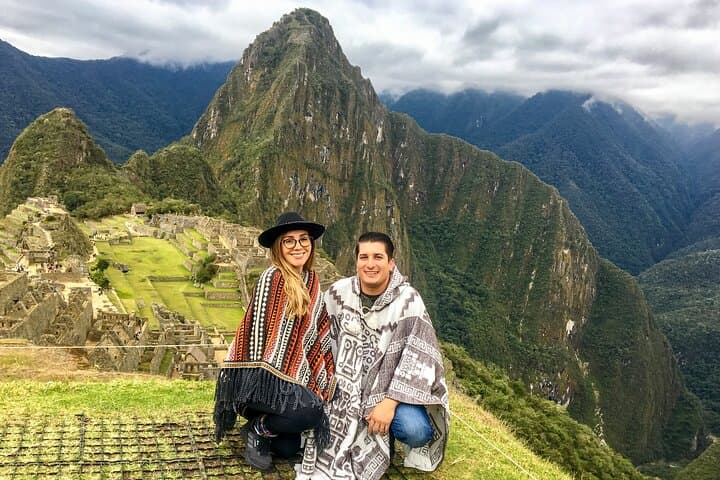
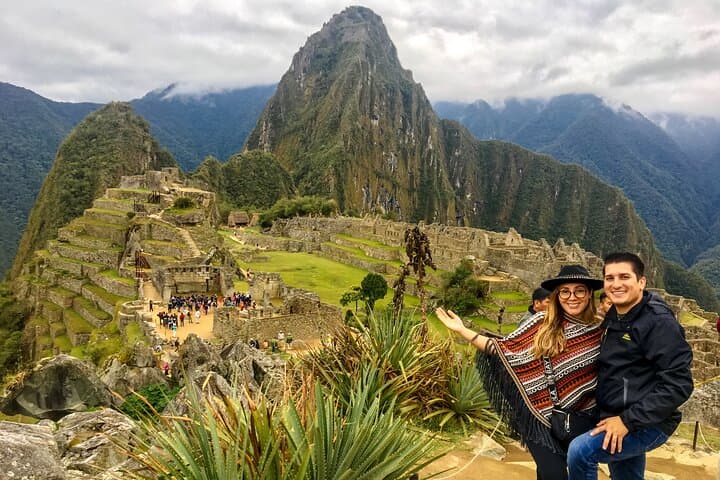
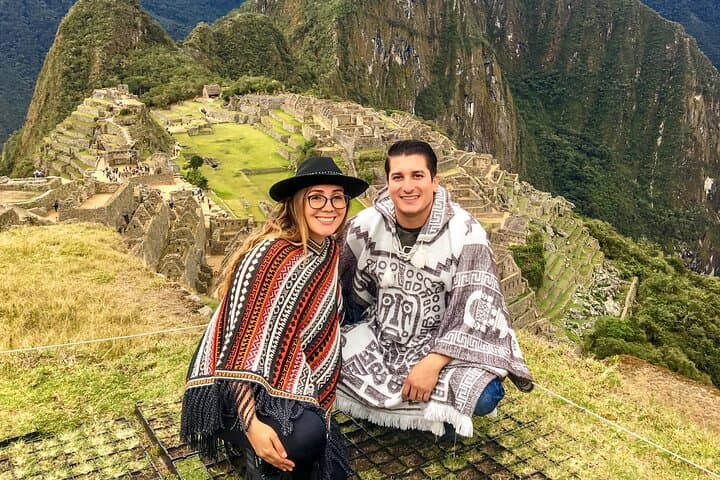
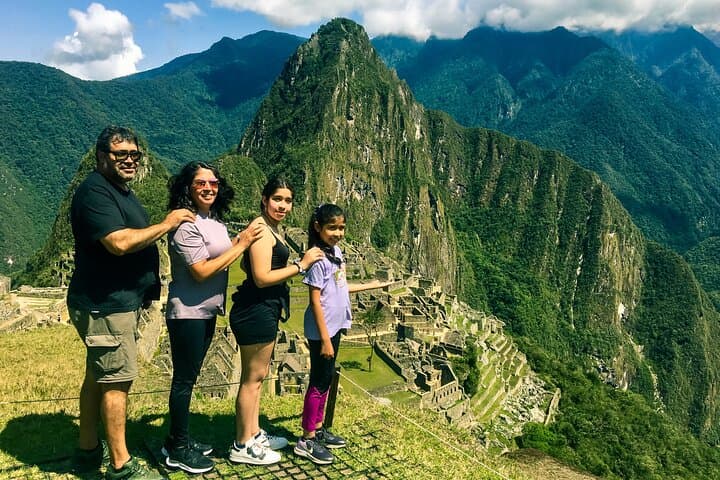
Arriving in Aguas Calientes, the climb by shuttle up the switchbacks brings Machu Picchu into sudden relief: terraces stepping down the mountain, stonework that has endured centuries of weather and human stories. The site dates to the 15th century, expanded under Inca ruler Pachacuti and later cataloged by explorers in the early 20th century. Geologically, the citadel sits on eroded granite ridges above the Urubamba River, where steep valleys and frequent cloud cover shape the mood of the place.
Local culture remains present—llama herders, Quechua place names and guides who fold oral history into archaeological explanation. Conservation rules are strict: stay on paths, respect limited daily visitor access, and keep drones grounded.
Practically, expect a very long but highly managed day: pre-dawn pickup in Cusco, a train ride through narrow canyons, a shuttle to the entrance, then roughly two hours of guided exploration at Machu Picchu before returning by train and vehicle. The route involves many stone steps and uneven surfaces; wear grippy footwear and layer for shifting temperatures. Bring water, sunscreen, and a rain shell—clouds can change in minutes.
Timing and patience pay dividends here: arrive early to catch clearer views and softer light, and allow quiet time to absorb terraces and niches that reveal the engineering skill of the Inca.
moderate.
14–15 hours.
Moderate fitness: comfortable walking for several hours, climbing many stone steps, and handling long travel days.
Yes—this tour includes entrance tickets to the Historical Sanctuary of Machu Picchu as part of the package.
Pickup is typically between 4:00–4:30 a.m., and the full-day itinerary runs about 14–15 hours, returning to Cusco in the evening.
Cusco sits above 3,300 m; allow at least one night to acclimatize, stay hydrated, and consult a physician about medication if you have sensitivity to altitude.
Drones are prohibited at Machu Picchu and tripods may be restricted—check current regulations and follow guide instructions to avoid penalties.
Built in the 15th century under Inca rulers, Machu Picchu functioned as a religious, administrative and agricultural center before being abandoned in the 16th century and brought to international attention in 1911.
Machu Picchu is a fragile archaeological site with visitor limits and strict path rules—minimize impact by following guides, avoiding litter, and respecting signage.
All Tours Peru operates guided outdoor trips and adventures with an emphasis on safety, stewardship, and memorable experiences.
The day opens while the town of Cusco still breathes sleep—a private van slips through mountain light toward Ollantaytambo, and the train window frames a river that seems to hurry you onward.
The day opens while the town of Cusco still breathes sleep—a private van slips through mountain light toward Ollantaytambo, and the train window frames a river that seems to hurry you onward.
Arriving in Aguas Calientes, the climb by shuttle up the switchbacks brings Machu Picchu into sudden relief: terraces stepping down the mountain, stonework that has endured centuries of weather and human stories. The site dates to the 15th century, expanded under Inca ruler Pachacuti and later cataloged by explorers in the early 20th century. Geologically, the citadel sits on eroded granite ridges above the Urubamba River, where steep valleys and frequent cloud cover shape the mood of the place.
Local culture remains present—llama herders, Quechua place names and guides who fold oral history into archaeological explanation. Conservation rules are strict: stay on paths, respect limited daily visitor access, and keep drones grounded.
Practically, expect a very long but highly managed day: pre-dawn pickup in Cusco, a train ride through narrow canyons, a shuttle to the entrance, then roughly two hours of guided exploration at Machu Picchu before returning by train and vehicle. The route involves many stone steps and uneven surfaces; wear grippy footwear and layer for shifting temperatures. Bring water, sunscreen, and a rain shell—clouds can change in minutes.
Timing and patience pay dividends here: arrive early to catch clearer views and softer light, and allow quiet time to absorb terraces and niches that reveal the engineering skill of the Inca.