THE ADVENTURE COLLECTIVE® · Independent discovery and booking for outdoor travel

Drive north from Xi'an to the dramatic Hukou Waterfall on the Yellow River — a day tour that pairs easy access with powerful riverscapes. Expect dusty plateau roads, thunderous spray, and seasonal surges best seen in late spring.
Drive north from Xi'an to the dramatic Hukou Waterfall on the Yellow River — a day tour that pairs easy access with powerful riverscapes. Expect dusty plateau roads, thunderous spray, and seasonal surges best seen in late spring.
You leave Xi'an before dawn and the city’s flat skyline gives way to the rolling ridges of the Loess Plateau. The road follows the Yellow River as it widens, then squeezes into a narrow throat where water hurls itself through a rocky gap and spills in thunder — Hukou Waterfall. Up close the river feels alive: turbidity-driven color and raw momentum that seem to dare you to stand still.
Verified experiences and guided adventures in the surrounding area.
Operated by Jeff Ning China Tour · Xi'an, Shaanxi
You leave Xi'an before dawn and the city’s flat skyline gives way to the rolling ridges of the Loess Plateau. The road follows the Yellow River as it widens, then squeezes into a narrow throat where water hurls itself through a rocky gap and spills in thunder — Hukou Waterfall. Up close the river feels alive: turbidity-driven color and raw momentum that seem to dare you to stand still.
Geology here is simple and dramatic. The Yellow River carves through thick loess deposits and layered sandstone; where a bedrock constriction narrows the channel the river accelerates and cascades. Hukou (literally “kettle spout”) is a product of erosion and seasonal flood pulses, its shape and roar shifting with rainfall and snowmelt.
Culturally the fall sits on a provincial border and has long been part of local lore — a landmark on the Yellow River, cradle of Chinese civilization and source of both sustenance and catastrophe. Expect interpretive markers and viewing platforms rather than long wilderness approaches; the experience is observational, visceral, and easily accessible.
Practical guidance: plan on a full day (about eight hours) including drive time; most tours include hotel pickup in Xi'an. Wear grippy shoes for wet, stepped viewing trails; winds and spray make a lightweight waterproof layer useful. Peak flow comes in late spring and early summer; winter offers stark, icy vistas but fewer crowds. Bring cash for snacks and small local vendors, and keep a safe distance from unguarded edges — the current is powerful. A good camera and binoculars will reward you: the best shots are often from the upper viewing terraces at mid-day light.
easy.
8 hours.
Suitable for most fitness levels; mainly short walks and stairs around viewing platforms with no sustained hiking.
The round-trip tour is about 8 hours total; the one-way drive typically takes around 3–3.5 hours depending on traffic and stops.
Yes; there are basic restroom facilities and small vendors near the main viewing area, though selection is limited so bring snacks if you prefer specific options.
Late spring to early summer (April–June) usually delivers the highest flow from snowmelt and rains, producing the most dramatic spray and volume.
The main site has stairs and uneven paths and is not fully wheelchair accessible; check with your tour operator for assistance options.
Hukou sits along the Yellow River, historically considered central to early Chinese civilization and frequently noted in regional literature and travel accounts.
High visitor numbers and erosion of loess soils are local concerns; stick to marked trails, avoid littering, and support local vendors to benefit the community.
Jeff Ning China Tour operates guided outdoor trips and adventures with an emphasis on safety, stewardship, and memorable experiences.
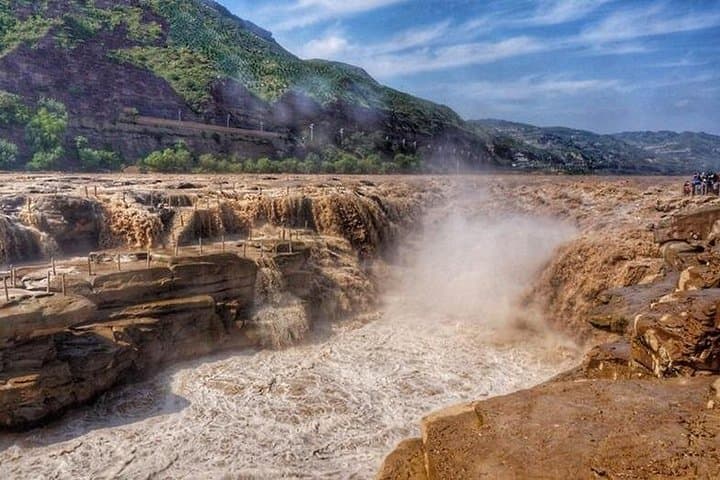
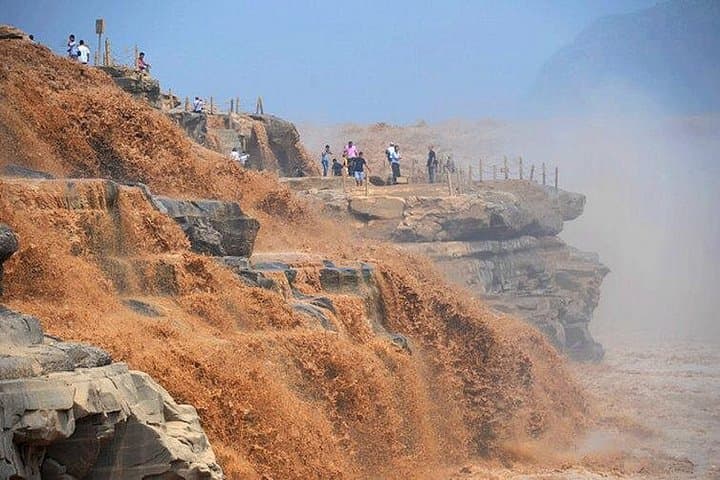
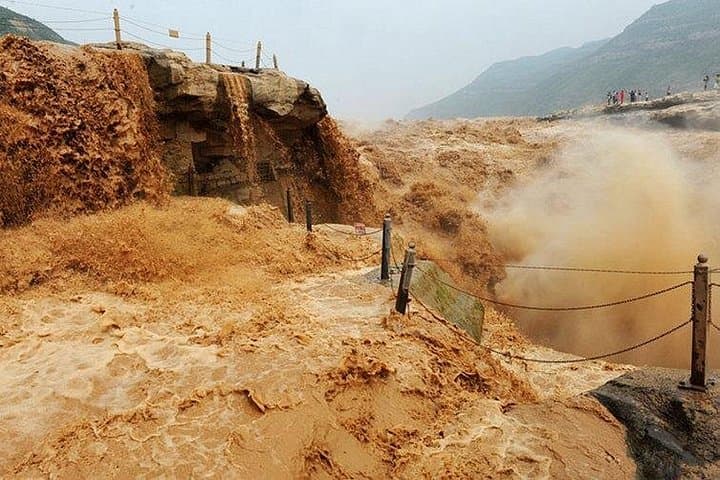
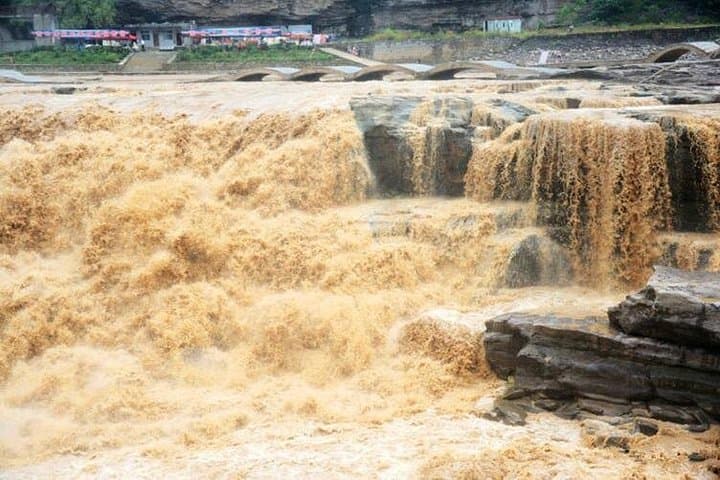
You leave Xi'an before dawn and the city’s flat skyline gives way to the rolling ridges of the Loess Plateau. The road follows the Yellow River as it widens, then squeezes into a narrow throat where water hurls itself through a rocky gap and spills in thunder — Hukou Waterfall. Up close the river feels alive: turbidity-driven color and raw momentum that seem to dare you to stand still.
You leave Xi'an before dawn and the city’s flat skyline gives way to the rolling ridges of the Loess Plateau. The road follows the Yellow River as it widens, then squeezes into a narrow throat where water hurls itself through a rocky gap and spills in thunder — Hukou Waterfall. Up close the river feels alive: turbidity-driven color and raw momentum that seem to dare you to stand still.
Geology here is simple and dramatic. The Yellow River carves through thick loess deposits and layered sandstone; where a bedrock constriction narrows the channel the river accelerates and cascades. Hukou (literally “kettle spout”) is a product of erosion and seasonal flood pulses, its shape and roar shifting with rainfall and snowmelt.
Culturally the fall sits on a provincial border and has long been part of local lore — a landmark on the Yellow River, cradle of Chinese civilization and source of both sustenance and catastrophe. Expect interpretive markers and viewing platforms rather than long wilderness approaches; the experience is observational, visceral, and easily accessible.
Practical guidance: plan on a full day (about eight hours) including drive time; most tours include hotel pickup in Xi'an. Wear grippy shoes for wet, stepped viewing trails; winds and spray make a lightweight waterproof layer useful. Peak flow comes in late spring and early summer; winter offers stark, icy vistas but fewer crowds. Bring cash for snacks and small local vendors, and keep a safe distance from unguarded edges — the current is powerful. A good camera and binoculars will reward you: the best shots are often from the upper viewing terraces at mid-day light.