THE ADVENTURE COLLECTIVE® · Independent discovery and booking for outdoor travel

Stand on the Giza Plateau with a private guide, ride a camel across low dunes and view the Sphinx and pyramids in a single half-day. This practical guide explains what to expect, local history, and how to prepare for the desert heat.
Stand on the Giza Plateau with a private guide, ride a camel across low dunes and view the Sphinx and pyramids in a single half-day. This practical guide explains what to expect, local history, and how to prepare for the desert heat.
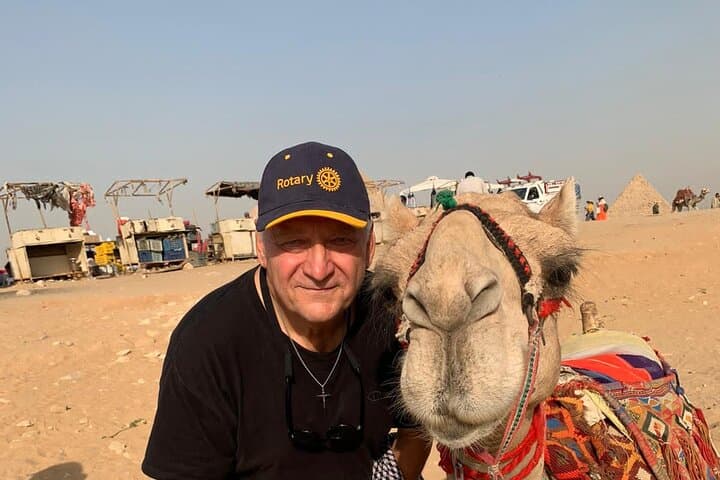
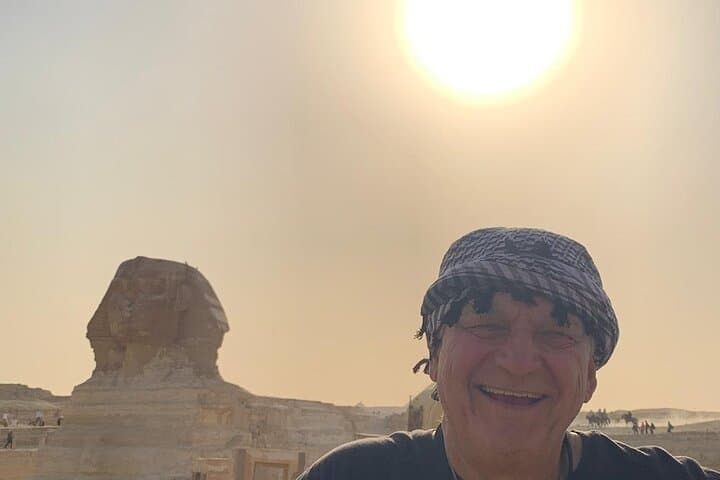
The morning air on the Giza Plateau has a dry, sandy clarity that sharpens shapes: the three great pyramids cut into the light like geometric islands, and the Sphinx sits forward, as if daring the wind to erase its nose.
Verified experiences and guided adventures in the surrounding area.
Operated by Snefro · Giza, Giza Governorate
The morning air on the Giza Plateau has a dry, sandy clarity that sharpens shapes: the three great pyramids cut into the light like geometric islands, and the Sphinx sits forward, as if daring the wind to erase its nose.
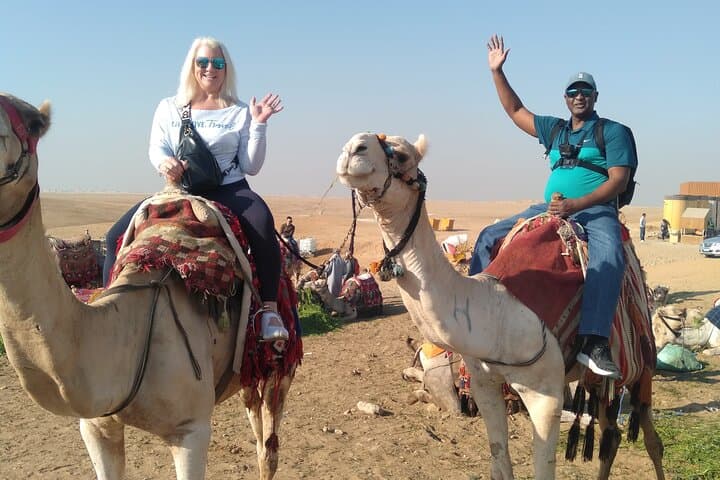
Visitors meet a private guide and move through open desert paths, stepping from paved viewing platforms to low dunes where camels kneel and rise. The stones underfoot are limestone and the plateau’s bedrock—visible scars in a landscape shaped by Nile sediments and millennia of quarrying—remind you this was once a deliberate workspace as much as a burial ground.
Historically the complex served as the necropolis for Old Kingdom pharaohs—Khufu (Cheops), Khafre (Chephren) and Menkaure (Mykrenes)—and the Sphinx is commonly associated with Khafre’s funerary program. Culturally, the site sits on the edge of modern Cairo: vendors, guides, and local craftsmen create a continuous human presence that contrasts with the ancient stones.
Expect straightforward logistics: brief guided stops at the pyramids and Sphinx, a panoramic photo point, a 10–15 minute camel ride, and a chance to browse local stalls for souvernirs. Bring sun protection, comfortable shoes for mixed sand and pavement, and small local currency for tips and purchases. Plan pick-up times around cooler morning hours to avoid the midday heat and to get the best light for photographs.
The experience is part archaeology, part desert stroll and part cultural exchange—a compact, accessible way to stand face-to-face with Egyptian antiquity while practicing basic desert common sense.
easy.
4 hours.
Minimal fitness required—suitable for most people comfortable walking short distances on uneven ground
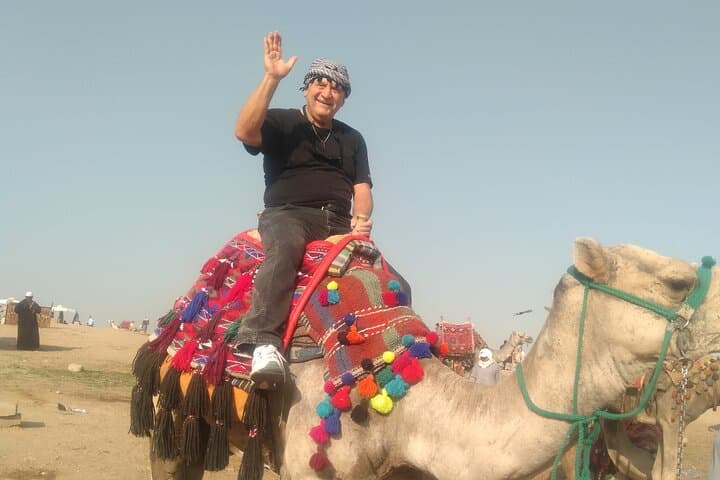
The camel ride included is typically about 10–15 minutes—enough for photos and a short desert experience, not a long trek.
No—this standard private half-day tour offers exterior views, the Sphinx and a panoramic photo stop; interior entry requires separate tickets and time.
Yes—small bills for tips, souvenirs and optional purchases are useful; major cards are not accepted by many local vendors.
Yes—this is rated easy with minimal walking; inform the operator of mobility needs during booking for appropriate pickup and pacing.
Giza served as the necropolis for Old Kingdom pharaohs—Khufu, Khafre and Menkaure built the three main pyramids during the 26th–25th centuries BCE; the Sphinx is commonly linked to Khafre's funerary landscape.
Heavy visitation and urban encroachment stress the plateau—visitors should stay on designated paths, avoid touching carved surfaces, and support licensed guides and local conservation efforts.
Snefro operates guided outdoor trips and adventures with an emphasis on safety, stewardship, and memorable experiences.
The morning air on the Giza Plateau has a dry, sandy clarity that sharpens shapes: the three great pyramids cut into the light like geometric islands, and the Sphinx sits forward, as if daring the wind to erase its nose.
The morning air on the Giza Plateau has a dry, sandy clarity that sharpens shapes: the three great pyramids cut into the light like geometric islands, and the Sphinx sits forward, as if daring the wind to erase its nose.
Visitors meet a private guide and move through open desert paths, stepping from paved viewing platforms to low dunes where camels kneel and rise. The stones underfoot are limestone and the plateau’s bedrock—visible scars in a landscape shaped by Nile sediments and millennia of quarrying—remind you this was once a deliberate workspace as much as a burial ground.
Historically the complex served as the necropolis for Old Kingdom pharaohs—Khufu (Cheops), Khafre (Chephren) and Menkaure (Mykrenes)—and the Sphinx is commonly associated with Khafre’s funerary program. Culturally, the site sits on the edge of modern Cairo: vendors, guides, and local craftsmen create a continuous human presence that contrasts with the ancient stones.
Expect straightforward logistics: brief guided stops at the pyramids and Sphinx, a panoramic photo point, a 10–15 minute camel ride, and a chance to browse local stalls for souvernirs. Bring sun protection, comfortable shoes for mixed sand and pavement, and small local currency for tips and purchases. Plan pick-up times around cooler morning hours to avoid the midday heat and to get the best light for photographs.
The experience is part archaeology, part desert stroll and part cultural exchange—a compact, accessible way to stand face-to-face with Egyptian antiquity while practicing basic desert common sense.