THE ADVENTURE COLLECTIVE® · Independent discovery and booking for outdoor travel

Spend a day in Armenia’s forested highlands visiting 12th–13th century monasteries and Parz (Crystal) Lake. This private full-day trip combines cultural history, easy forest walks, and practical local insight for planning a smooth outing.
Spend a day in Armenia’s forested highlands visiting 12th–13th century monasteries and Parz (Crystal) Lake. This private full-day trip combines cultural history, easy forest walks, and practical local insight for planning a smooth outing.
You arrive to a road that climbs into green ribs of forest; pine needles hush the tires and a cool breath from the trees seems to steady your pace. In Dilijan, the forest leans close to the stone—chapels and khachkars (carved cross-stones) sit where watercuts and footpaths meet, and Parz (Crystal) Lake answers with a steady, reflective surface that dares you to slow down.
Verified experiences and guided adventures in the surrounding area.
Operated by Land of Noah Travel Agency · Dilijan, Tavush Province
You arrive to a road that climbs into green ribs of forest; pine needles hush the tires and a cool breath from the trees seems to steady your pace. In Dilijan, the forest leans close to the stone—chapels and khachkars (carved cross-stones) sit where watercuts and footpaths meet, and Parz (Crystal) Lake answers with a steady, reflective surface that dares you to slow down.
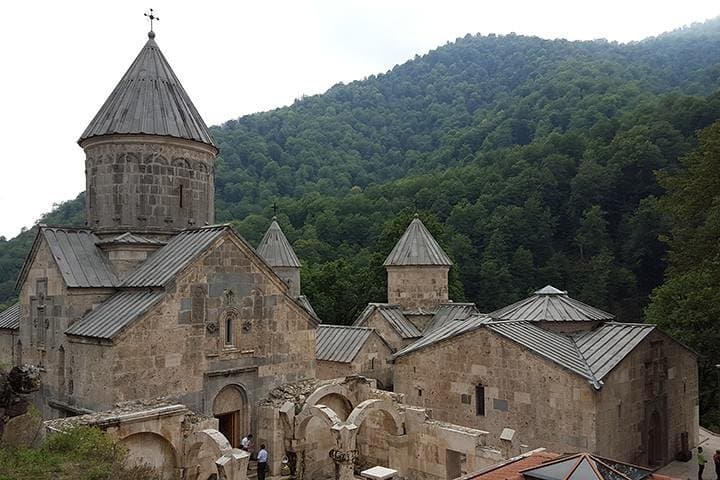
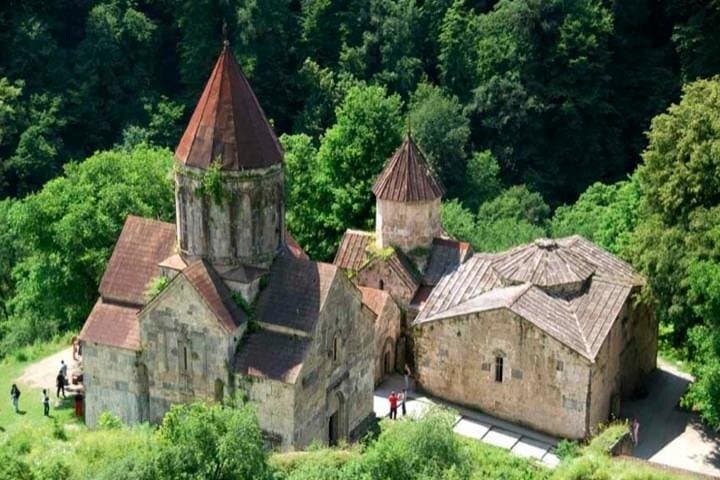
The route threads together medieval scholarship and mountain geology. Goshavank and Haghartsin are 12th–13th century monastic complexes that served as religious and educational hubs; their tufa and volcanic-stone masonry reflects local geology shaped by ancient uplift and erosion. Dilijan itself grew as a spa and trade town in the 19th century, now buffered by the protected slopes of Dilijan National Park.
Expect forested walking, short stairways at monastery courtyards, and easy shoreline paths around Parz Lake. The pace is deliberate—photo stops, guided explanations of carved inscriptions, and ample time for quiet at each site. Cultural norms favor modest dress in church areas; guides commonly suggest leaving loud conversation by the parking lot.
Practical guidance: this is a full-day private excursion (about 8–9 hours) usually offered from Yerevan with hotel pickup. Wear sturdy walking shoes, bring layered clothing for temperature swings under canopy, and carry water and small cash for local snacks or donations. If you want fewer crowds, request an early departure; midweek visits in shoulder seasons are quieter. Respect fragile stonework and stick to marked paths—these sites are both cultural artifacts and part of an active mountain ecosystem.
moderate.
8–9 hours.
Moderate fitness; able to walk over uneven ground and climb short flights of steps during multiple brief stops.
Most departures include hotel pickup and drop-off (typically from Yerevan); confirm your exact pickup point when booking.
This private tour lists admissions as not applicable; check with the operator whether any museum or optional site fees are payable locally.
Yes—if participants can manage multiple short walks and some uneven surfaces; travelers should have at least moderate fitness.
Smart-casual is recommended; cover shoulders and knees inside church buildings and avoid loud clothing out of respect.
Goshavank and Haghartsin were important spiritual and scholarly centers in the 12th–13th centuries; their inscriptions and khachkars reflect a long tradition of Armenian ecclesiastical art.
Sites sit within or near Dilijan National Park; visitors are encouraged to stay on paths, avoid touching carved stones, and pack out waste to protect fragile habitats and cultural features.
Land of Noah Travel Agency operates guided outdoor trips and adventures with an emphasis on safety, stewardship, and memorable experiences.
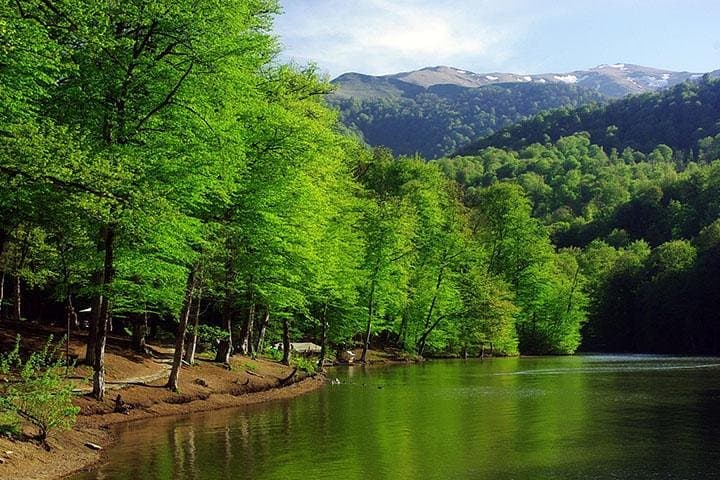
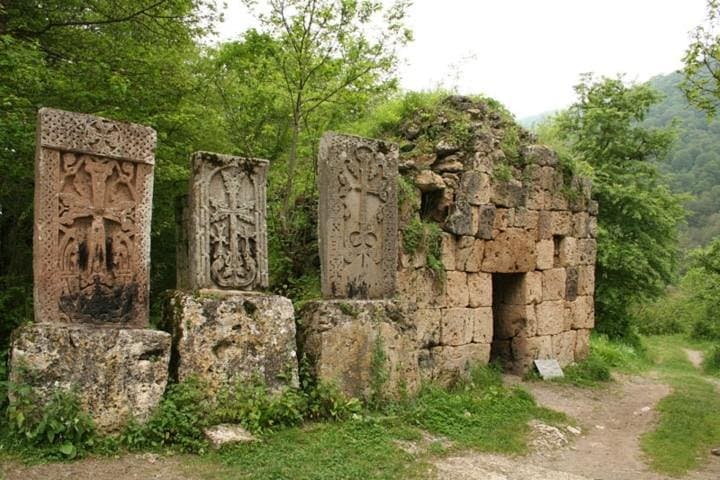
You arrive to a road that climbs into green ribs of forest; pine needles hush the tires and a cool breath from the trees seems to steady your pace. In Dilijan, the forest leans close to the stone—chapels and khachkars (carved cross-stones) sit where watercuts and footpaths meet, and Parz (Crystal) Lake answers with a steady, reflective surface that dares you to slow down.
You arrive to a road that climbs into green ribs of forest; pine needles hush the tires and a cool breath from the trees seems to steady your pace. In Dilijan, the forest leans close to the stone—chapels and khachkars (carved cross-stones) sit where watercuts and footpaths meet, and Parz (Crystal) Lake answers with a steady, reflective surface that dares you to slow down.
The route threads together medieval scholarship and mountain geology. Goshavank and Haghartsin are 12th–13th century monastic complexes that served as religious and educational hubs; their tufa and volcanic-stone masonry reflects local geology shaped by ancient uplift and erosion. Dilijan itself grew as a spa and trade town in the 19th century, now buffered by the protected slopes of Dilijan National Park.
Expect forested walking, short stairways at monastery courtyards, and easy shoreline paths around Parz Lake. The pace is deliberate—photo stops, guided explanations of carved inscriptions, and ample time for quiet at each site. Cultural norms favor modest dress in church areas; guides commonly suggest leaving loud conversation by the parking lot.
Practical guidance: this is a full-day private excursion (about 8–9 hours) usually offered from Yerevan with hotel pickup. Wear sturdy walking shoes, bring layered clothing for temperature swings under canopy, and carry water and small cash for local snacks or donations. If you want fewer crowds, request an early departure; midweek visits in shoulder seasons are quieter. Respect fragile stonework and stick to marked paths—these sites are both cultural artifacts and part of an active mountain ecosystem.