THE ADVENTURE COLLECTIVE® · Independent discovery and booking for outdoor travel

Set out from Luxor for a focused day among ancient stone: Abydos’ royal halls and Dendera’s painted sanctuaries. This private tour pairs short walks and long views with on-site interpretation and a local lunch option—ideal for travelers seeking history without a strenuous hike.
Set out from Luxor for a focused day among ancient stone: Abydos’ royal halls and Dendera’s painted sanctuaries. This private tour pairs short walks and long views with on-site interpretation and a local lunch option—ideal for travelers seeking history without a strenuous hike.
Before the sun climbs high over the Nile, a driver pulls out of Luxor and the road unfurls north toward two of Egypt’s most compelling temple complexes. The day begins with a quiet stretch of highway and the slow, patient approach to Abydos—stone halls where pharaohs left their names in deep relief—and ends at Dendera, where painted ceilings still hold color against the desert light.
Verified experiences and guided adventures in the surrounding area.
Operated by Emo Tours Egypt · Luxor, Luxor Governorate
Before the sun climbs high over the Nile, a driver pulls out of Luxor and the road unfurls north toward two of Egypt’s most compelling temple complexes. The day begins with a quiet stretch of highway and the slow, patient approach to Abydos—stone halls where pharaohs left their names in deep relief—and ends at Dendera, where painted ceilings still hold color against the desert light.
Abydos preserves some of Egypt’s earliest royal cult architecture: Seti I laid the cornerstone and Ramesses II finished much of the carved program. The complexes sit on low desert bedrock that gives way to cultivated river plain, so visitors move between dry, dusty causeways and shaded hypostyle halls. Dendera’s Temple of Hathor is mainly Ptolemaic and Roman in date; its astronomy-themed reliefs and the famous zodiac ceiling draw attention from scholars and travelers alike. Local culture remains tied to the Nile’s rhythms—villagers, small markets, and roadside cafés mark the route back to Luxor.
Practical guidance: expect about 10 hours door-to-door with roughly 135 km of driving to Abydos and another short transfer to Dendera. Walk on uneven stone, climb steps, and stand for extended periods; wear sun protection and modest clothing for temple entry. Bring cash for optional donations, tips, and souvenirs; lunch at a local restaurant is usually included if selected. Follow your guide’s instructions in protected areas—don’t touch painted reliefs and keep to marked paths to help preserve these fragile sites.
easy.
Approximately 10 hours.
Suitable for travelers in average fitness; involves short to moderate walks, steps, and standing.
Entry fees are typically included for the main areas noted by the operator, but some inner sanctuaries or special sites may require an extra ticket on site.
Pickup is offered from hotels and Nile cruises in Luxor; confirm exact pickup point and time when booking.
Photography is allowed in most outdoor and many interior areas, but flash and tripods may be restricted—follow the guide’s instructions and posted rules.
The day involves steps and uneven surfaces; travelers with serious mobility or back issues should check accessibility and may find portions difficult.
Abydos became a cult center for Osiris; Seti I began the major temple decorations later completed by Ramesses II. Dendera’s main temple was rebuilt in Ptolemaic times and features unusually well-preserved painted reliefs.
Both sites show signs of ancient paint and delicate carving—avoid touching reliefs, stay on marked paths, and follow local rules to help conservation efforts.
Emo Tours Egypt operates guided outdoor trips and adventures with an emphasis on safety, stewardship, and memorable experiences.
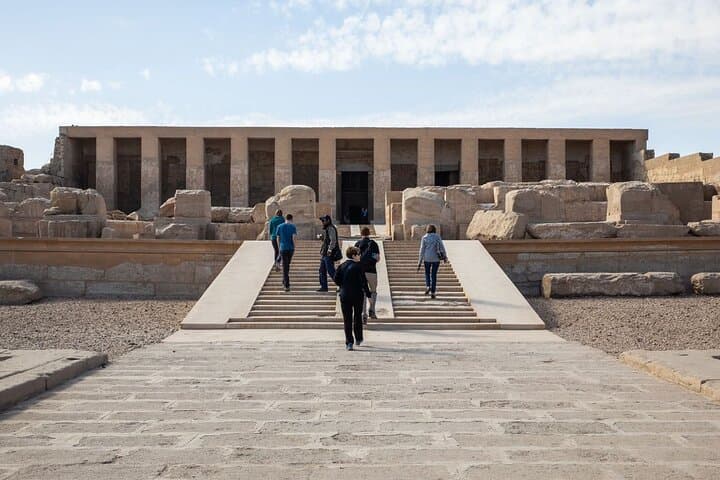
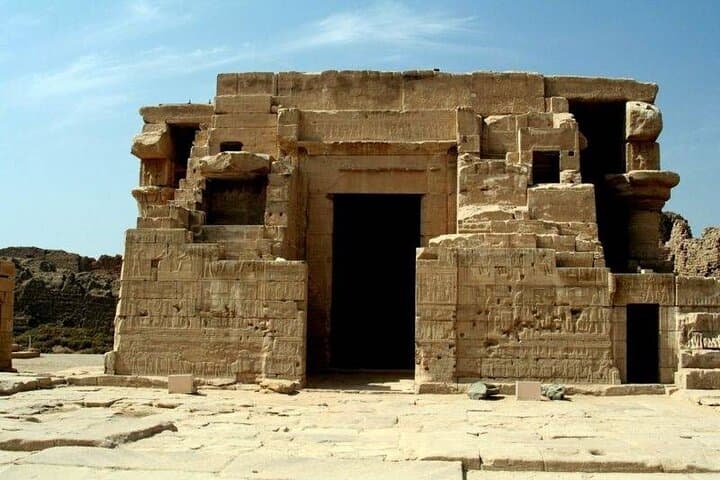
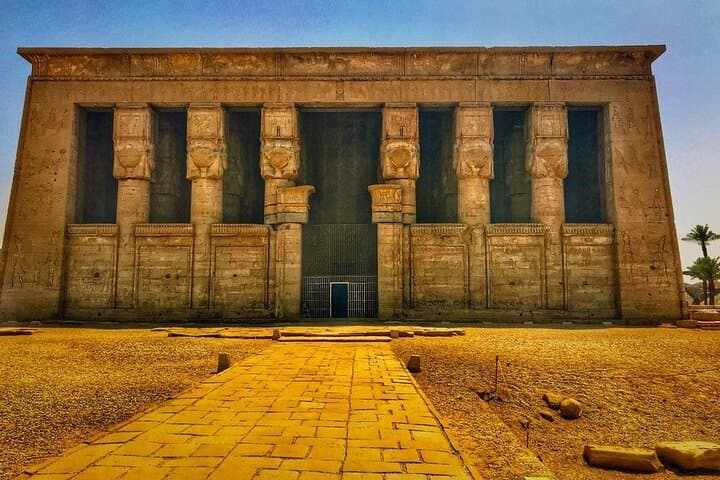
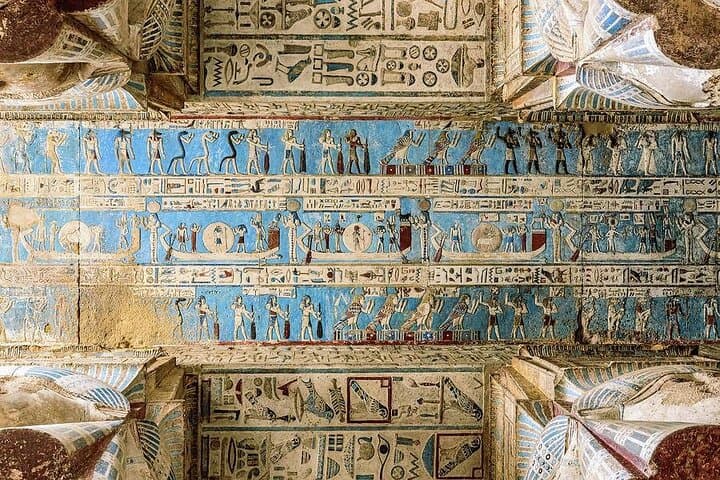
Before the sun climbs high over the Nile, a driver pulls out of Luxor and the road unfurls north toward two of Egypt’s most compelling temple complexes. The day begins with a quiet stretch of highway and the slow, patient approach to Abydos—stone halls where pharaohs left their names in deep relief—and ends at Dendera, where painted ceilings still hold color against the desert light.
Before the sun climbs high over the Nile, a driver pulls out of Luxor and the road unfurls north toward two of Egypt’s most compelling temple complexes. The day begins with a quiet stretch of highway and the slow, patient approach to Abydos—stone halls where pharaohs left their names in deep relief—and ends at Dendera, where painted ceilings still hold color against the desert light.
Abydos preserves some of Egypt’s earliest royal cult architecture: Seti I laid the cornerstone and Ramesses II finished much of the carved program. The complexes sit on low desert bedrock that gives way to cultivated river plain, so visitors move between dry, dusty causeways and shaded hypostyle halls. Dendera’s Temple of Hathor is mainly Ptolemaic and Roman in date; its astronomy-themed reliefs and the famous zodiac ceiling draw attention from scholars and travelers alike. Local culture remains tied to the Nile’s rhythms—villagers, small markets, and roadside cafés mark the route back to Luxor.
Practical guidance: expect about 10 hours door-to-door with roughly 135 km of driving to Abydos and another short transfer to Dendera. Walk on uneven stone, climb steps, and stand for extended periods; wear sun protection and modest clothing for temple entry. Bring cash for optional donations, tips, and souvenirs; lunch at a local restaurant is usually included if selected. Follow your guide’s instructions in protected areas—don’t touch painted reliefs and keep to marked paths to help preserve these fragile sites.