THE ADVENTURE COLLECTIVE® · Independent discovery and booking for outdoor travel

Spend a day combining carefully managed serval and bird interactions with a relaxing swim at Kikuletwa (Chemka) Hot Springs. This private tour from Arusha mixes wildlife enrichment viewing, scenic driving past baobab and acacia, and three hours at a clear, palm-ringed spring.
Spend a day combining carefully managed serval and bird interactions with a relaxing swim at Kikuletwa (Chemka) Hot Springs. This private tour from Arusha mixes wildlife enrichment viewing, scenic driving past baobab and acacia, and three hours at a clear, palm-ringed spring.
You step out of your vehicle into a sun-punched clearing where baobab silhouettes and acacia spines cut the skyline; a chorus of birds welcomes you as keepers guide small groups toward patient servals and parrots. The interactions are gentle and deliberate—animals approach on their own terms—before the road unfurls toward Kikuletwa (Chemka), where a jade pool gathers beneath palms and fig trees like a natural plunge pool daring you to slow down.
Verified experiences and guided adventures in the surrounding area.
Operated by Dancing Simba Safaris · Arusha, Arusha Region
You step out of your vehicle into a sun-punched clearing where baobab silhouettes and acacia spines cut the skyline; a chorus of birds welcomes you as keepers guide small groups toward patient servals and parrots. The interactions are gentle and deliberate—animals approach on their own terms—before the road unfurls toward Kikuletwa (Chemka), where a jade pool gathers beneath palms and fig trees like a natural plunge pool daring you to slow down.
Serval Wildlife operates as a managed encounter site focused on animal enrichment and welfare; keepers monitor each interaction and guests are instructed to wait for animals to initiate contact. Geologically, Kikuletwa is fed by groundwater heated and pressured through volcanic and rift-zone rock, surfacing as an artesian pool whose clarity owes to sand filtration and steady spring flow.
Culturally, the drive skirts rural villages and farmland where Sukuma and Maasai influences mingle—acacia and baobab mark routes used for generations. Locals often picnic at Chemka; respect local customs and modest swimwear norms.
Practical essentials: the whole outing runs about 5–8 hours with hotel pickup from Arusha, moderate driving on graded roads, and roughly three hours at the springs. Bring swimwear, quick-dry towel, reef-friendly sunscreen, insect repellent, and a refillable water bottle. Expect warm, sometimes humid conditions; mornings are cooler and less crowded. Follow guides’ instructions around animals—no chasing, no feeding unless directed—and carry local cash for small purchases. The tour balances close wildlife observation with a restorative swim, good for travelers wanting a single-day mix of wildlife, culture, and natural bathing in northern Tanzania.
easy.
5–8 hours.
Suitable for most fitness levels; requires short periods of standing and gentle walking around enclosures and uneven spring edges.
The tour lasts about 5–8 hours with hotel pickup in Arusha; it includes guided animal interactions, entry to Kikuletwa Hot Springs, bottled water, and parking fees as noted.
Yes—interactions are monitored and suitable for families; specialized infant seats are available and animals choose whether to engage, but supervise children closely.
Yes, you can swim; the spring has shaded spots and informal changing areas—bring your own towel and modest swimwear, and expect basic local facilities rather than full amenities.
The tour is physically easy, but it’s not recommended for travelers with serious heart conditions; notify operators about health needs during booking for accommodations.
The area sits on ancient rift geology shaped by tectonic lifting and volcanism, and local communities have used springs like Kikuletwa for generations as watering and social sites.
Interactions at Serval Wildlife are structured around animal welfare and enrichment; at the springs, visitors are encouraged to avoid soaps or detergents and to pack out trash to protect the aquifer-fed pool.
Dancing Simba Safaris operates guided outdoor trips and adventures with an emphasis on safety, stewardship, and memorable experiences.
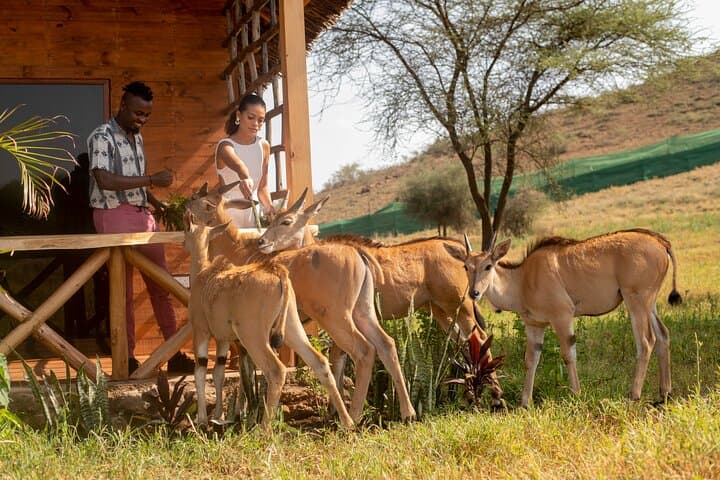
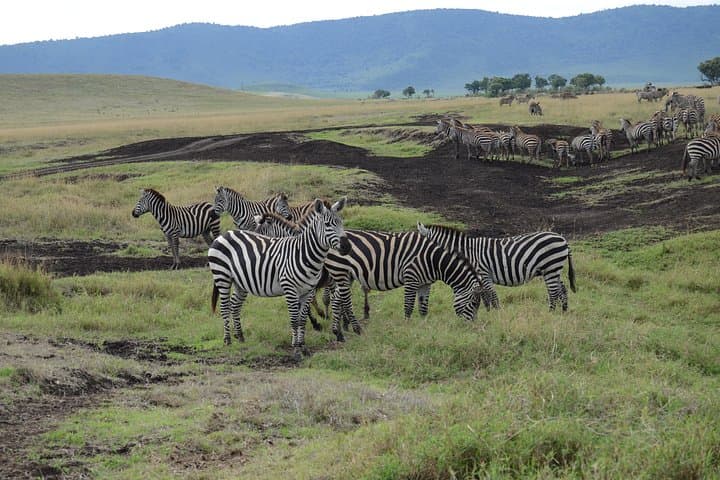
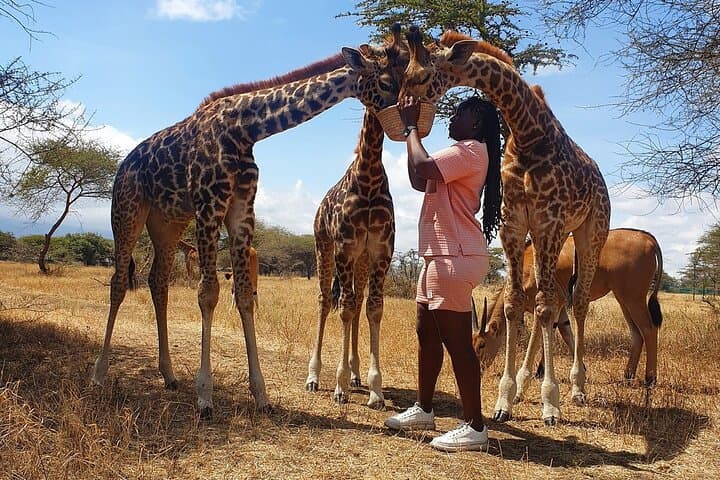
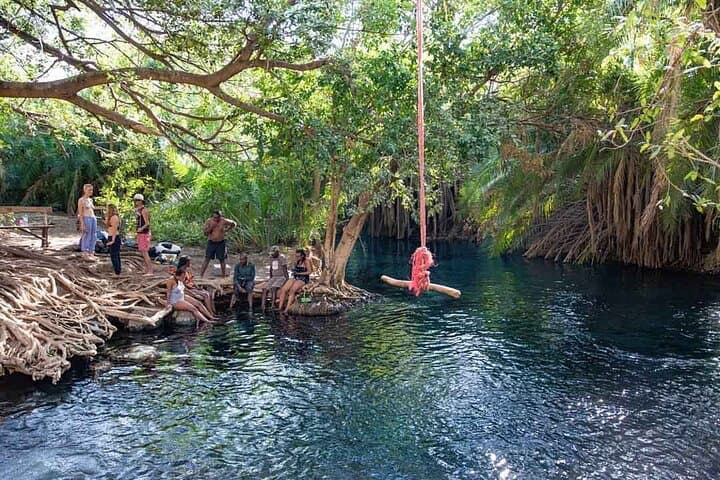
You step out of your vehicle into a sun-punched clearing where baobab silhouettes and acacia spines cut the skyline; a chorus of birds welcomes you as keepers guide small groups toward patient servals and parrots. The interactions are gentle and deliberate—animals approach on their own terms—before the road unfurls toward Kikuletwa (Chemka), where a jade pool gathers beneath palms and fig trees like a natural plunge pool daring you to slow down.
You step out of your vehicle into a sun-punched clearing where baobab silhouettes and acacia spines cut the skyline; a chorus of birds welcomes you as keepers guide small groups toward patient servals and parrots. The interactions are gentle and deliberate—animals approach on their own terms—before the road unfurls toward Kikuletwa (Chemka), where a jade pool gathers beneath palms and fig trees like a natural plunge pool daring you to slow down.
Serval Wildlife operates as a managed encounter site focused on animal enrichment and welfare; keepers monitor each interaction and guests are instructed to wait for animals to initiate contact. Geologically, Kikuletwa is fed by groundwater heated and pressured through volcanic and rift-zone rock, surfacing as an artesian pool whose clarity owes to sand filtration and steady spring flow.
Culturally, the drive skirts rural villages and farmland where Sukuma and Maasai influences mingle—acacia and baobab mark routes used for generations. Locals often picnic at Chemka; respect local customs and modest swimwear norms.
Practical essentials: the whole outing runs about 5–8 hours with hotel pickup from Arusha, moderate driving on graded roads, and roughly three hours at the springs. Bring swimwear, quick-dry towel, reef-friendly sunscreen, insect repellent, and a refillable water bottle. Expect warm, sometimes humid conditions; mornings are cooler and less crowded. Follow guides’ instructions around animals—no chasing, no feeding unless directed—and carry local cash for small purchases. The tour balances close wildlife observation with a restorative swim, good for travelers wanting a single-day mix of wildlife, culture, and natural bathing in northern Tanzania.