THE ADVENTURE COLLECTIVE® · Independent discovery and booking for outdoor travel

Spend a full day tracing the origins of pyramid architecture from the Step Pyramid at Saqqara to the Bent and Red Pyramids at Dahshur, finishing in the open-air museum of ancient Memphis. Expect hands-on history, open desert views, and practical tips for a hot, archaeological day.
Spend a full day tracing the origins of pyramid architecture from the Step Pyramid at Saqqara to the Bent and Red Pyramids at Dahshur, finishing in the open-air museum of ancient Memphis. Expect hands-on history, open desert views, and practical tips for a hot, archaeological day.
Morning heat presses against the asphalt as your air-conditioned vehicle turns off the Cairo skyline and into the wide, pale sweep of the Memphite plains. At Saqqara, limestone blocks and carved reliefs rise from the flat desert like chapters of an architectural experiment; the Step Pyramid of Djoser holds a quiet, deliberate gravity that makes modern time feel thin.
Verified experiences and guided adventures in the surrounding area.
Operated by Marvels of Egypt · Giza, Giza Governorate
Morning heat presses against the asphalt as your air-conditioned vehicle turns off the Cairo skyline and into the wide, pale sweep of the Memphite plains. At Saqqara, limestone blocks and carved reliefs rise from the flat desert like chapters of an architectural experiment; the Step Pyramid of Djoser holds a quiet, deliberate gravity that makes modern time feel thin.
These sites map the birth of monumental architecture. Saqqara’s Step Pyramid (c. 27th century BCE) records the transition from mastaba tombs to multi-tiered stone design. A short drive south, Dahshur’s Bent Pyramid and Red Pyramid show the trial-and-error that preceded Giza—changes in slope, material use, and engineering ambition that reveal both ingenuity and risk. Memphis, once the Old Kingdom capital, gathers fragments of power: the fallen colossus of Ramses II and the Alabaster Sphinx give scale to a city that administered a civilization.
Geology here is simple and stark—Nile silt plain overlying limestone plateaus—so views are broad and wind can feel like a guide. Culturally, these locations remain active archaeological landscapes with ongoing study and local communities tied to tourism.
Practical guidance: tours run 6–8 hours; bring sun protection, plenty of water, and comfortable closed-toe shoes for uneven stone and sand. Admissions are often paid on-site; confirm whether entry fees or interior pyramid access are included. Mornings offer cooler light for photography and fewer crowds. A knowledgeable Egyptologist guide will add context that transforms carved stone into living history.
easy.
6–8 hours.
Light fitness required: comfortable walking on uneven ground for several short stretches with plenty of breaks.
This listing notes admission is not included; confirm with the operator whether any site entrance fees or interior pyramid tickets are covered or paid on arrival.
Interior access varies by site and availability; some pyramids require separate tickets and have narrow, steep passages—ask your guide in advance.
Expect short to moderate walks at each site over uneven ground and sand, typically totaling a few kilometers across the day with frequent stops.
Sites have uneven surfaces and low thresholds; while the tour is labeled suitable for all fitness levels, mobility limitations may make interior areas difficult—discuss needs when booking.
These necropolises chart the emergence of royal tomb architecture during Egypt’s Old Kingdom; Memphis served as the political and religious center for millennia.
Archaeological sites face erosion, tourism wear, and urban encroachment; follow site rules, avoid touching reliefs, and support local conservation fees where offered.
Marvels of Egypt operates guided outdoor trips and adventures with an emphasis on safety, stewardship, and memorable experiences.

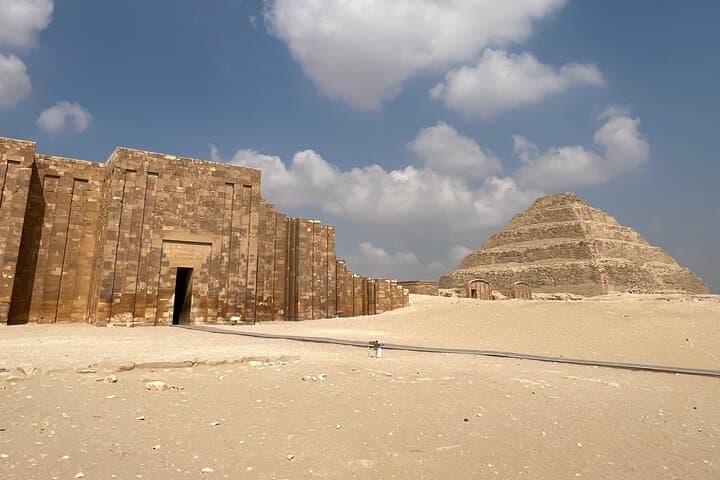
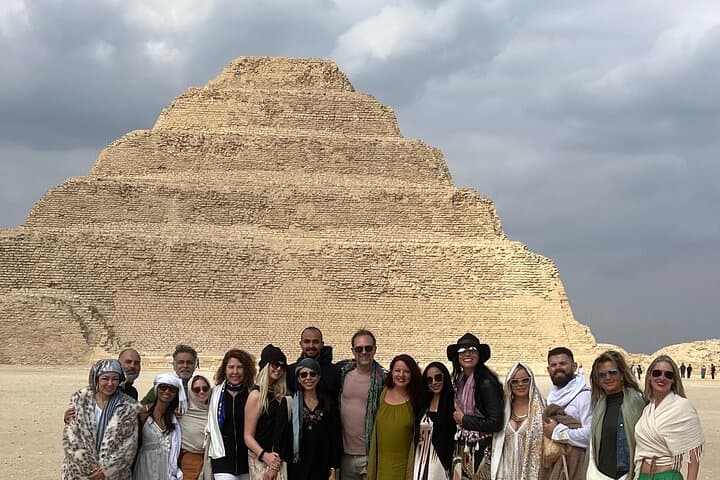

Morning heat presses against the asphalt as your air-conditioned vehicle turns off the Cairo skyline and into the wide, pale sweep of the Memphite plains. At Saqqara, limestone blocks and carved reliefs rise from the flat desert like chapters of an architectural experiment; the Step Pyramid of Djoser holds a quiet, deliberate gravity that makes modern time feel thin.
Morning heat presses against the asphalt as your air-conditioned vehicle turns off the Cairo skyline and into the wide, pale sweep of the Memphite plains. At Saqqara, limestone blocks and carved reliefs rise from the flat desert like chapters of an architectural experiment; the Step Pyramid of Djoser holds a quiet, deliberate gravity that makes modern time feel thin.
These sites map the birth of monumental architecture. Saqqara’s Step Pyramid (c. 27th century BCE) records the transition from mastaba tombs to multi-tiered stone design. A short drive south, Dahshur’s Bent Pyramid and Red Pyramid show the trial-and-error that preceded Giza—changes in slope, material use, and engineering ambition that reveal both ingenuity and risk. Memphis, once the Old Kingdom capital, gathers fragments of power: the fallen colossus of Ramses II and the Alabaster Sphinx give scale to a city that administered a civilization.
Geology here is simple and stark—Nile silt plain overlying limestone plateaus—so views are broad and wind can feel like a guide. Culturally, these locations remain active archaeological landscapes with ongoing study and local communities tied to tourism.
Practical guidance: tours run 6–8 hours; bring sun protection, plenty of water, and comfortable closed-toe shoes for uneven stone and sand. Admissions are often paid on-site; confirm whether entry fees or interior pyramid access are included. Mornings offer cooler light for photography and fewer crowds. A knowledgeable Egyptologist guide will add context that transforms carved stone into living history.