THE ADVENTURE COLLECTIVE® · Independent discovery and booking for outdoor travel

Spend a full day away from temple crowds on a private drive from Siem Reap to Phnom Kulen’s waterfall and the stilted houses of Kompong Pluk. Swim by ancient river carvings, learn the mountain’s role in Khmer history, and float through Tonle Sap’s seasonal waterways.
Spend a full day away from temple crowds on a private drive from Siem Reap to Phnom Kulen’s waterfall and the stilted houses of Kompong Pluk. Swim by ancient river carvings, learn the mountain’s role in Khmer history, and float through Tonle Sap’s seasonal waterways.
You arrive before the heat tightens—dusty road giving way to a canopy of dipterocarp trees and the steady roar of water rising from Phnom Kulen. The trail to the main cascade is short but purposeful: slick rock, carved lingas, and a Buddha set into the cliffside that watches the river as it pushes forward.
Verified experiences and guided adventures in the surrounding area.
Operated by Siemreap Pick_up Drop_off Service · Siem Reap, Siem Reap Province
You arrive before the heat tightens—dusty road giving way to a canopy of dipterocarp trees and the steady roar of water rising from Phnom Kulen. The trail to the main cascade is short but purposeful: slick rock, carved lingas, and a Buddha set into the cliffside that watches the river as it pushes forward.
Phnom Kulen is more than a swim stop. The mountain is sacred in Khmer history—locally remembered as the site where King Jayavarman II proclaimed the Khmer realm—and its sandstone bedrock bears ancient carvings and later-period Buddha figures. Geologically the plateau is a resistant outcrop that forces rivers into sheets and falls; downstream, water slows into the flooded forests of Tonle Sap where Kompong Pluk perches on stilts.
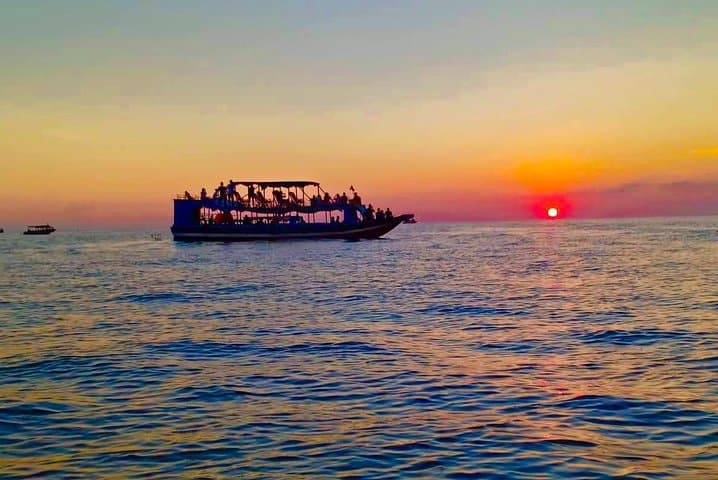
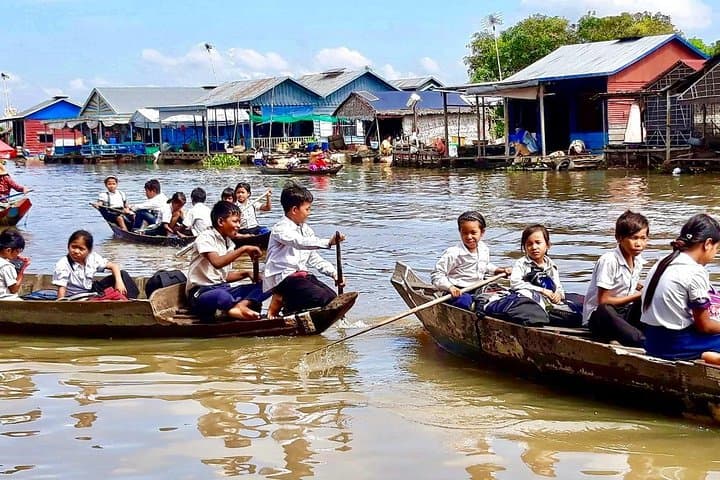
Kompong Pluk is a working village adapted to the lake’s seasonal breath: in high water, houses float and boats thread between, while in the dry season you'll see exposed fields and fishing gear. Expect a private car transfer from Siem Reap, short walks at the falls (roughly 1–2 km total on uneven terrain), and a boat cruise through mangrove-like flooded scrub at the village.
Practical edge: leave early to beat midday heat and to catch the best light on the carvings; bring non-slip shoes and a dry bag for electronics. Carry cash for park or boat fees, use reef-style shoes for wet rock, and respect local customs when visiting shrines—cover shoulders and remove hats where requested.
easy.
7–10 hours.
Suitable for travelers in light to moderate fitness; involves short walks on uneven terrain and a boat ride.
Most private tours include transport but not local park or boat entry fees; confirm with the operator and bring small cash for any on-site charges.
Expect short walks (1–2 km total) on uneven terrain and optional swimming at the waterfall; you don’t need special fitness, but mobility over wet rocks helps.
Yes, but the character changes by season: high water turns Kompong Pluk into a true stilt-and-boat village, while dry months expose more shoreline and walking areas.
Generally yes—families often take the tour—but supervise children closely on wet rocks and near open water, and request infant seats for the vehicle if needed.
Phnom Kulen is historically significant as an early ceremonial center where rulers asserted Khmer sovereignty; later-period Buddhist images and carvings dot the riverbed.
Tonle Sap and Phnom Kulen face seasonal pressure from tourism and local resource use—minimize plastic, avoid disturbing wildlife, and follow local guidance to reduce impact.
Siemreap Pick_up Drop_off Service operates guided outdoor trips and adventures with an emphasis on safety, stewardship, and memorable experiences.
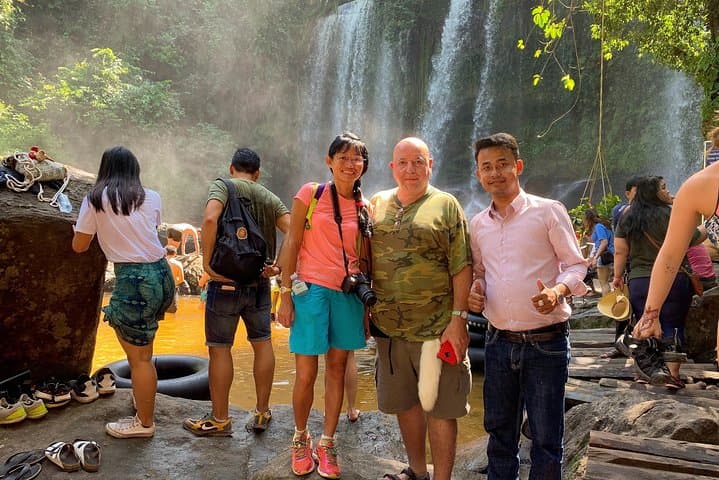
You arrive before the heat tightens—dusty road giving way to a canopy of dipterocarp trees and the steady roar of water rising from Phnom Kulen. The trail to the main cascade is short but purposeful: slick rock, carved lingas, and a Buddha set into the cliffside that watches the river as it pushes forward.
You arrive before the heat tightens—dusty road giving way to a canopy of dipterocarp trees and the steady roar of water rising from Phnom Kulen. The trail to the main cascade is short but purposeful: slick rock, carved lingas, and a Buddha set into the cliffside that watches the river as it pushes forward.
Phnom Kulen is more than a swim stop. The mountain is sacred in Khmer history—locally remembered as the site where King Jayavarman II proclaimed the Khmer realm—and its sandstone bedrock bears ancient carvings and later-period Buddha figures. Geologically the plateau is a resistant outcrop that forces rivers into sheets and falls; downstream, water slows into the flooded forests of Tonle Sap where Kompong Pluk perches on stilts.
Kompong Pluk is a working village adapted to the lake’s seasonal breath: in high water, houses float and boats thread between, while in the dry season you'll see exposed fields and fishing gear. Expect a private car transfer from Siem Reap, short walks at the falls (roughly 1–2 km total on uneven terrain), and a boat cruise through mangrove-like flooded scrub at the village.
Practical edge: leave early to beat midday heat and to catch the best light on the carvings; bring non-slip shoes and a dry bag for electronics. Carry cash for park or boat fees, use reef-style shoes for wet rock, and respect local customs when visiting shrines—cover shoulders and remove hats where requested.