THE ADVENTURE COLLECTIVE® · Independent discovery and booking for outdoor travel

Escape Marrakech’s heat for a private day in the Ourika Valley and the High Atlas. Expect a moderate 1–2 hour guided hike, a riverside lunch, cultural visits to a local home, and scenic waterfalls near Setti Fatma.
Escape Marrakech’s heat for a private day in the Ourika Valley and the High Atlas. Expect a moderate 1–2 hour guided hike, a riverside lunch, cultural visits to a local home, and scenic waterfalls near Setti Fatma.
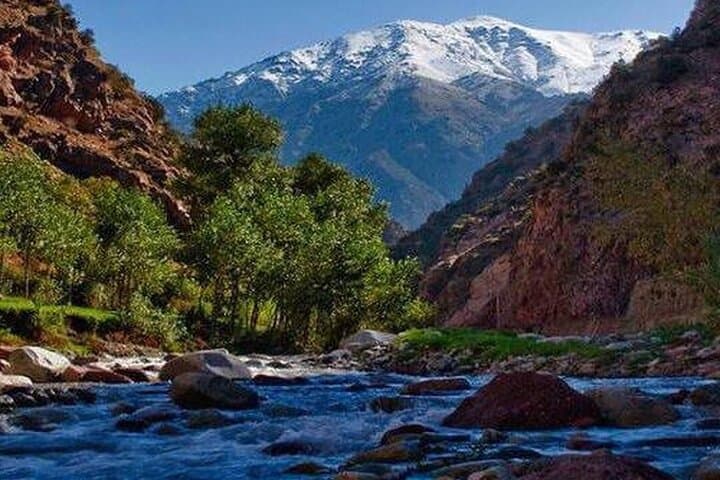
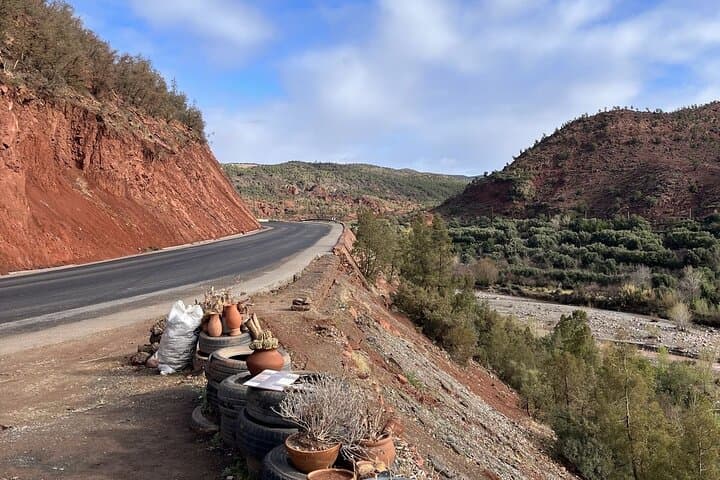
You step out of Marrakech’s heat into a cooler pocket of the High Atlas — the valley unfurls as a ribbon of river, terraced fields and red-rock slopes. The road climbs, olive groves give way to almond and fig, and the air takes on a clear, mineral bite; the Ourika River keeps time, pulling you toward Setti Fatma and the waterfalls that cut the mountain.
Verified experiences and guided adventures in the surrounding area.
Operated by Aznag tours · Ourika Valley (Setti Fatma), Marrakesh-Safi
You step out of Marrakech’s heat into a cooler pocket of the High Atlas — the valley unfurls as a ribbon of river, terraced fields and red-rock slopes. The road climbs, olive groves give way to almond and fig, and the air takes on a clear, mineral bite; the Ourika River keeps time, pulling you toward Setti Fatma and the waterfalls that cut the mountain.
The valley is shaped by Berber farming and centuries of irrigation engineering: stepped terraces and stone channels that still feed village gardens. Geologically, the High Atlas is young and steep — folded sedimentary layers pushed up by tectonic compression — which is why narrow wadis and abrupt waterfalls appear where the river meets resistant bedrock.
Culturally the day tour balances a short guided hike (about 1–2 hours), a home-hosted lunch by the river, and stops at local cooperatives. Guides explain traditional bread ovens, terraced agriculture, and the seasonal rhythms that govern village life.
Practical guidance: expect 6–7 hours total including round-trip transport from Marrakech. Trails to the main Setti Fatma falls are rocky and uneven in places; comfortable, grippy shoes and a reusable water bottle matter. Morning departures avoid crowds and the midday sun; light layers handle temperature swings between valley floor and shaded river canyons. Bring cash for small purchases and tips — many village businesses are cash-based. Respect private homes during family visits and stay on marked paths to limit erosion. The trip is accessible for most fit travelers, offers strong photo opportunities, and gives a direct, human-scaled counterpoint to Marrakech’s medina bustle.
moderate.
6–7 hours.
Suitable for most people with basic fitness; requires short uphill/downhill walking on uneven terrain.
The guided walking portion is typically 1–2 hours total, with short sections of uphill and uneven terrain to reach the main falls.
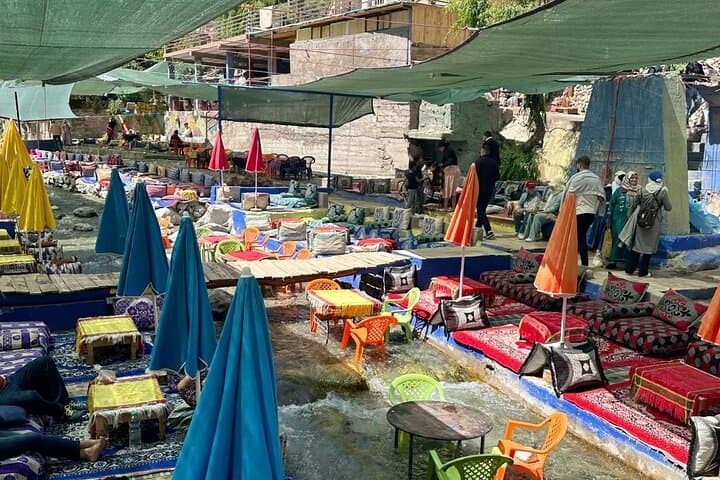
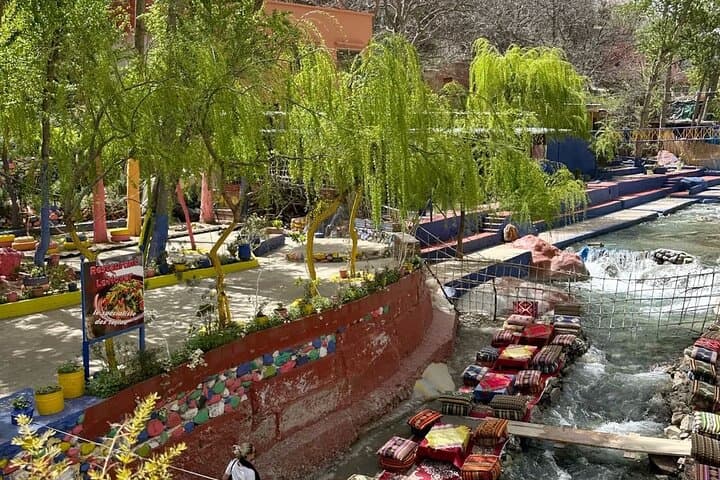
A Moroccan lunch is usually included and served near the river — expect tagine or couscous and local salads, often in a family-run setting.
Yes — the tour includes hotel or riad pickup and drop-off within Marrakech; confirm your pickup point when booking.
The tour is family-friendly but the hike involves uneven paths; infants should be carried and older guests should be comfortable walking short uphill sections.
The Ourika Valley has long been home to Amazigh (Berber) communities; terraces and irrigation channels reflect generations of mountain agriculture and seasonal transhumance.
Stick to marked trails, avoid single-use plastics, and consider buying from local cooperatives to support village economies and reduce tourism pressure.
Aznag tours operates guided outdoor trips and adventures with an emphasis on safety, stewardship, and memorable experiences.
You step out of Marrakech’s heat into a cooler pocket of the High Atlas — the valley unfurls as a ribbon of river, terraced fields and red-rock slopes. The road climbs, olive groves give way to almond and fig, and the air takes on a clear, mineral bite; the Ourika River keeps time, pulling you toward Setti Fatma and the waterfalls that cut the mountain.
You step out of Marrakech’s heat into a cooler pocket of the High Atlas — the valley unfurls as a ribbon of river, terraced fields and red-rock slopes. The road climbs, olive groves give way to almond and fig, and the air takes on a clear, mineral bite; the Ourika River keeps time, pulling you toward Setti Fatma and the waterfalls that cut the mountain.
The valley is shaped by Berber farming and centuries of irrigation engineering: stepped terraces and stone channels that still feed village gardens. Geologically, the High Atlas is young and steep — folded sedimentary layers pushed up by tectonic compression — which is why narrow wadis and abrupt waterfalls appear where the river meets resistant bedrock.
Culturally the day tour balances a short guided hike (about 1–2 hours), a home-hosted lunch by the river, and stops at local cooperatives. Guides explain traditional bread ovens, terraced agriculture, and the seasonal rhythms that govern village life.
Practical guidance: expect 6–7 hours total including round-trip transport from Marrakech. Trails to the main Setti Fatma falls are rocky and uneven in places; comfortable, grippy shoes and a reusable water bottle matter. Morning departures avoid crowds and the midday sun; light layers handle temperature swings between valley floor and shaded river canyons. Bring cash for small purchases and tips — many village businesses are cash-based. Respect private homes during family visits and stay on marked paths to limit erosion. The trip is accessible for most fit travelers, offers strong photo opportunities, and gives a direct, human-scaled counterpoint to Marrakech’s medina bustle.