THE ADVENTURE COLLECTIVE® · Independent discovery and booking for outdoor travel

Walk through the carved palaces of Kathmandu Durbar Square and climb to the hilltop Swayambhunath stupa on a private half-day tour. Expect close-up cultural encounters, city vistas and steep stairways guarded by cheeky monkeys.
Walk through the carved palaces of Kathmandu Durbar Square and climb to the hilltop Swayambhunath stupa on a private half-day tour. Expect close-up cultural encounters, city vistas and steep stairways guarded by cheeky monkeys.
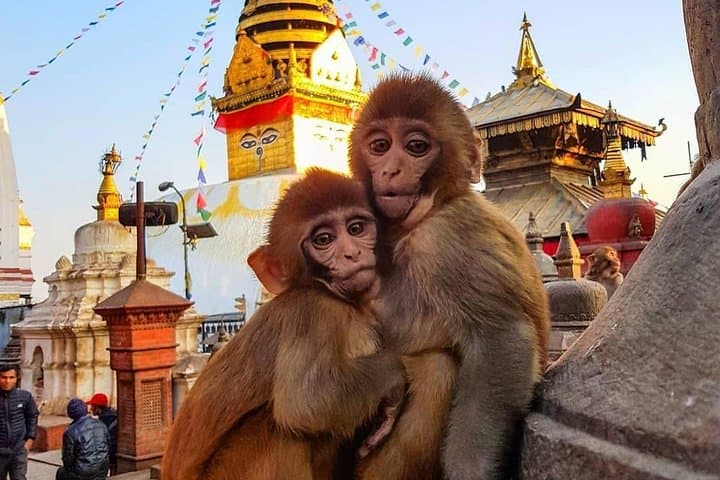
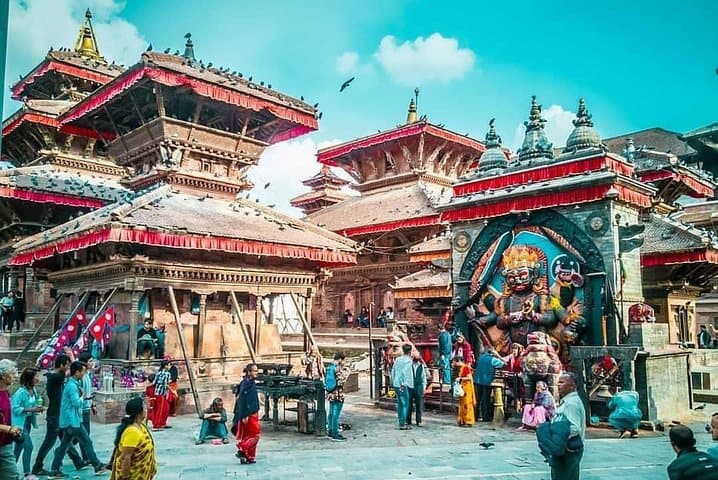
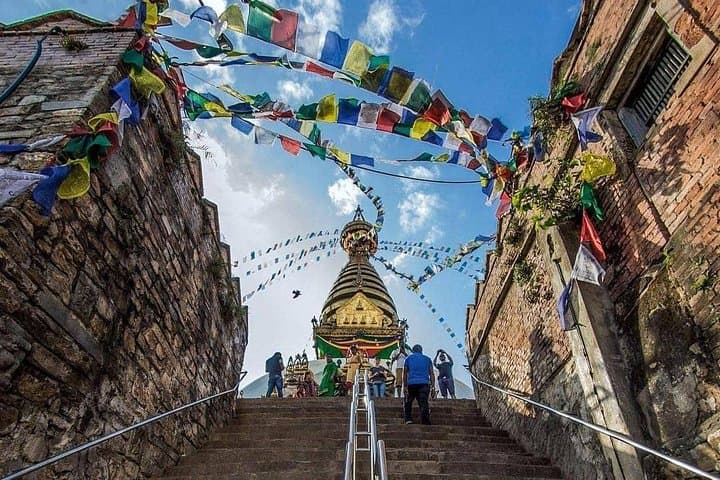
You step out of a private AC vehicle into a sun-warmed plaza where carved wood and stone rise like history made visible. Kathmandu Durbar Square opens with courtyards, tiered temples and the courtyard edges that once housed Malla kings; voices, incense and market bustle fold together. Later, a short drive climbs to Swayambhunath, where prayer flags snap and monkeys patrol the terrace while the stupa’s painted eyes watch the valley.
Verified experiences and guided adventures in the surrounding area.
Operated by The Xutti Pvt Ltd · Kathmandu, Bagmati Province
You step out of a private AC vehicle into a sun-warmed plaza where carved wood and stone rise like history made visible. Kathmandu Durbar Square opens with courtyards, tiered temples and the courtyard edges that once housed Malla kings; voices, incense and market bustle fold together. Later, a short drive climbs to Swayambhunath, where prayer flags snap and monkeys patrol the terrace while the stupa’s painted eyes watch the valley.
Durbar Square dates from medieval city-states (Malla period, 12th–18th centuries) and forms part of the Kathmandu Valley’s UNESCO heritage; Swayambhunath’s stupa follows a much older Buddhist tradition, sited on a hill that offers a panoramic city view. The area’s geology—sedimentary valley floor ringed by terraced hills—gives these sites their vantage and their vulnerability to monsoon and seismic events, which have shaped recent restoration efforts.
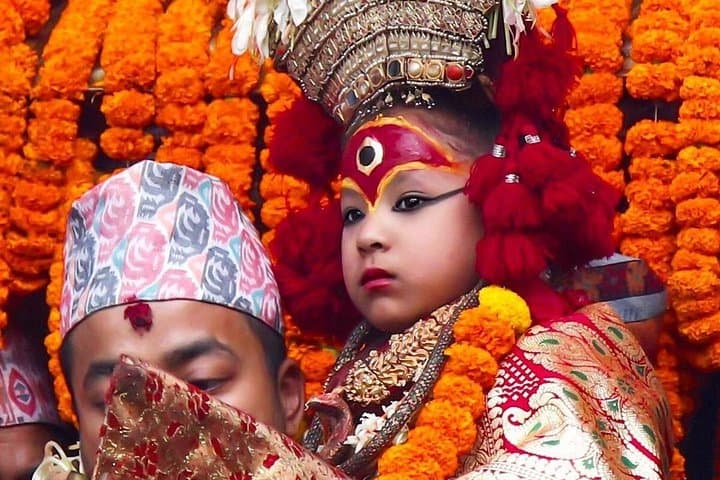
Expect cobbled courtyards, tight alleys, and steep stairways at Swayambhunath (bring steady shoes). Cultural etiquette matters: quiet tones and covered shoulders are polite at sacred sites; the Kumari (Living Goddess) temple is visible to visitors but approached respectfully. Photography is welcome in most areas, though some shrines may restrict flash or close-up shots.
Practical tips: plan a morning or late-afternoon visit to avoid peak heat and crowds; carry small change for modest entrance fees and offerings; allow roughly 3–4 hours if you prefer a relaxed pace. This private format removes waiting for others and gives flexibility for pacing, photos and stops at nearby alleys or tea shops.
easy.
3–4 hours.
Suitable for most fitness levels; should be able to walk on uneven surfaces and climb a few hundred stairs.
Admission is typically not included; expect to pay small local fees at Durbar Square and sometimes at Swayambhunath—your guide can confirm current rates.
There are several hundred steps to the main terrace (commonly cited around 300–400); take your time and use the handrails where provided.
Monkeys are generally not aggressive but will snatch food or loose items; avoid feeding them and keep belongings secured.
No—historic courtyards and the steep stairs at Swayambhunath limit accessibility; flat portions of Durbar Square are easier to navigate but may still have uneven paving.
Kathmandu Durbar Square served as the royal palace complex for the Malla and later Shah dynasties; Swayambhunath’s stupa follows an ancient Buddhist site that predates the modern city.
Many structures suffered damage in the 2015 earthquake and have been undergoing careful restoration; visitors help preservation by following rules, not climbing fragile monuments and avoiding litter.
The Xutti Pvt Ltd operates guided outdoor trips and adventures with an emphasis on safety, stewardship, and memorable experiences.
You step out of a private AC vehicle into a sun-warmed plaza where carved wood and stone rise like history made visible. Kathmandu Durbar Square opens with courtyards, tiered temples and the courtyard edges that once housed Malla kings; voices, incense and market bustle fold together. Later, a short drive climbs to Swayambhunath, where prayer flags snap and monkeys patrol the terrace while the stupa’s painted eyes watch the valley.
You step out of a private AC vehicle into a sun-warmed plaza where carved wood and stone rise like history made visible. Kathmandu Durbar Square opens with courtyards, tiered temples and the courtyard edges that once housed Malla kings; voices, incense and market bustle fold together. Later, a short drive climbs to Swayambhunath, where prayer flags snap and monkeys patrol the terrace while the stupa’s painted eyes watch the valley.
Durbar Square dates from medieval city-states (Malla period, 12th–18th centuries) and forms part of the Kathmandu Valley’s UNESCO heritage; Swayambhunath’s stupa follows a much older Buddhist tradition, sited on a hill that offers a panoramic city view. The area’s geology—sedimentary valley floor ringed by terraced hills—gives these sites their vantage and their vulnerability to monsoon and seismic events, which have shaped recent restoration efforts.
Expect cobbled courtyards, tight alleys, and steep stairways at Swayambhunath (bring steady shoes). Cultural etiquette matters: quiet tones and covered shoulders are polite at sacred sites; the Kumari (Living Goddess) temple is visible to visitors but approached respectfully. Photography is welcome in most areas, though some shrines may restrict flash or close-up shots.
Practical tips: plan a morning or late-afternoon visit to avoid peak heat and crowds; carry small change for modest entrance fees and offerings; allow roughly 3–4 hours if you prefer a relaxed pace. This private format removes waiting for others and gives flexibility for pacing, photos and stops at nearby alleys or tea shops.