THE ADVENTURE COLLECTIVE® · Independent discovery and booking for outdoor travel

Spend a private day in Champagne visiting small family cellars and renowned producers, tasting multiple styles and enjoying a champagne lunch. This guided circuit from Reims or Épernay focuses on terroir, technique, and approachable tasting notes.
Spend a private day in Champagne visiting small family cellars and renowned producers, tasting multiple styles and enjoying a champagne lunch. This guided circuit from Reims or Épernay focuses on terroir, technique, and approachable tasting notes.
You step out of the private vehicle onto a narrow lane lined with staked vines; the soil underfoot is chalky and pale, and the air smells faintly of cut grass and yeast from nearby cellars.
Verified experiences and guided adventures in the surrounding area.
Operated by TOURS IN CHAMPAGNE - Stéphane Demissy · Reims, Grand Est
You step out of the private vehicle onto a narrow lane lined with staked vines; the soil underfoot is chalky and pale, and the air smells faintly of cut grass and yeast from nearby cellars.
Across a day-long circuit from Reims or Épernay you visit family-run cuveries tucked into slopes of the Montagne de Reims, taste wines pulled straight from cool, vaulted cellars, and sit down to a leisurely Champagne lunch in a village bistro.
Champagne’s story is written in its chalk—Cretaceous deposits that keep roots cool and give the region its signature finesse. The area’s UNESCO-listed hills and cellars chart centuries of winemaking innovation, from local growers to the development of the méthode champenoise.
Culture here is small-scale and seasonal: growers balance tradition and modernity, harvest rhythms still dictate pace, and villages like Hautvillers offer quiet historical corners where Dom Pérignon’s name lingers.
Practical guidance: plan for about seven hours including transfers; tastings are often structured (3–6 pours per producer) and many operators include a set number of glasses and lunch. Pace yourself—sip, note, and ask questions rather than drinking fast. Comfortable shoes handle gravel lanes and cellar steps; layers help in cool subterranean spaces. Carry ID (minimum drinking age 18) and communicate dietary needs when booking.
A private tour gives flexibility to visit contrasting producers—expect one intimate family cellar and one larger house—plus sweeping vineyard viewpoints. This day is as much about learning the terroir’s story as it is about enjoying Champagne’s many personalities.
easy.
7 hours.
Suitable for all fitness levels; expect light walking on uneven vineyard lanes and cellar steps
Pickup and drop-off are available in Reims or Épernay (and at train stations); confirm your pickup point when booking.
The itinerary typically includes three visits with around 10 glasses of Champagne provided across the day, plus lunch.
Yes—lunch is included and vegetarian or other dietary requirements can be accommodated if advised at booking.
For a full refund cancel at least 24 hours before departure; cancellations inside 24 hours are non-refundable.
Champagne’s chalky soils and vaulted cellars shaped the méthode champenoise; villages like Hautvillers were central to early innovations credited to cellar masters.
Many small producers practice sustainable or organic viticulture; stick to paths, respect private plots, and avoid leaving waste in the vineyards.
TOURS IN CHAMPAGNE - Stéphane Demissy operates guided outdoor trips and adventures with an emphasis on safety, stewardship, and memorable experiences.
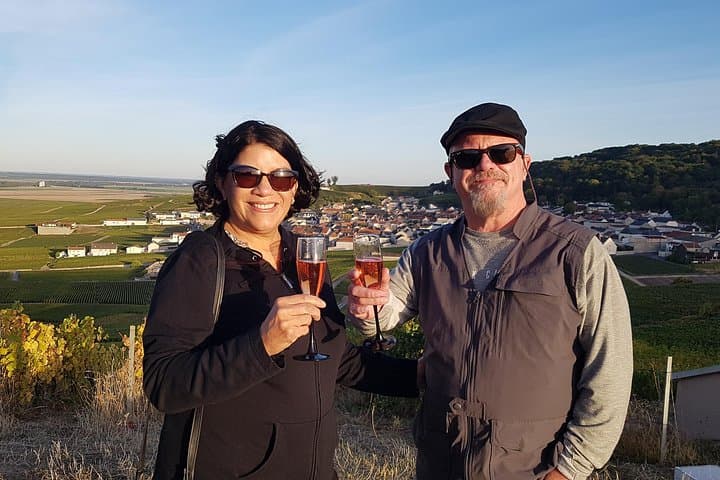
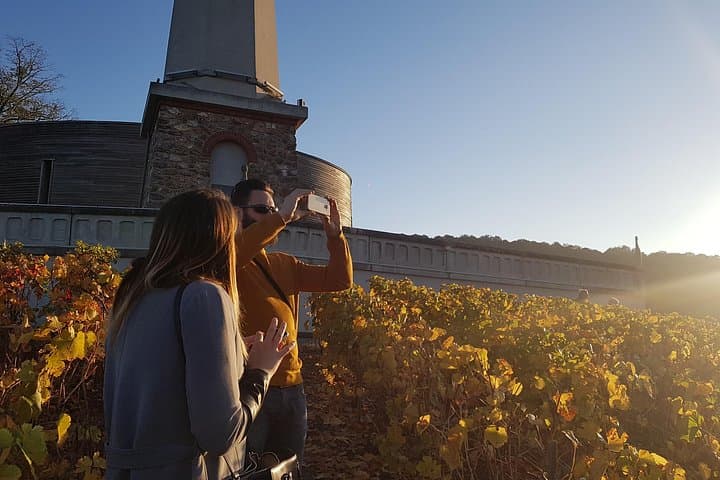
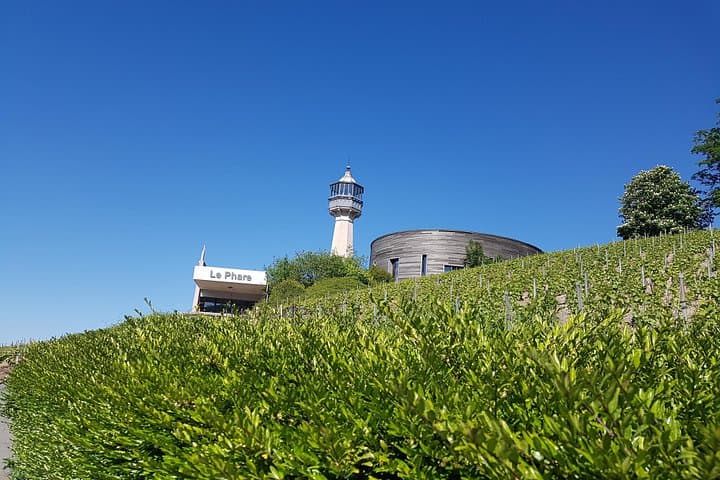
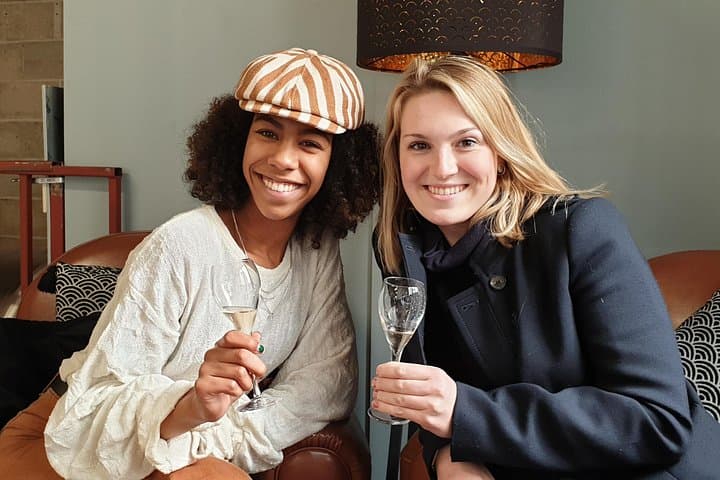
You step out of the private vehicle onto a narrow lane lined with staked vines; the soil underfoot is chalky and pale, and the air smells faintly of cut grass and yeast from nearby cellars.
You step out of the private vehicle onto a narrow lane lined with staked vines; the soil underfoot is chalky and pale, and the air smells faintly of cut grass and yeast from nearby cellars.
Across a day-long circuit from Reims or Épernay you visit family-run cuveries tucked into slopes of the Montagne de Reims, taste wines pulled straight from cool, vaulted cellars, and sit down to a leisurely Champagne lunch in a village bistro.
Champagne’s story is written in its chalk—Cretaceous deposits that keep roots cool and give the region its signature finesse. The area’s UNESCO-listed hills and cellars chart centuries of winemaking innovation, from local growers to the development of the méthode champenoise.
Culture here is small-scale and seasonal: growers balance tradition and modernity, harvest rhythms still dictate pace, and villages like Hautvillers offer quiet historical corners where Dom Pérignon’s name lingers.
Practical guidance: plan for about seven hours including transfers; tastings are often structured (3–6 pours per producer) and many operators include a set number of glasses and lunch. Pace yourself—sip, note, and ask questions rather than drinking fast. Comfortable shoes handle gravel lanes and cellar steps; layers help in cool subterranean spaces. Carry ID (minimum drinking age 18) and communicate dietary needs when booking.
A private tour gives flexibility to visit contrasting producers—expect one intimate family cellar and one larger house—plus sweeping vineyard viewpoints. This day is as much about learning the terroir’s story as it is about enjoying Champagne’s many personalities.