THE ADVENTURE COLLECTIVE® · Independent discovery and booking for outdoor travel

Spend a private day navigating Guadalajara’s civic history, dinosaur fossils, Orozco’s murals at Hospicio Cabañas, and the urban calm of Michin Aquarium. This guided route blends culture with natural history in a single, accessible itinerary.
Spend a private day navigating Guadalajara’s civic history, dinosaur fossils, Orozco’s murals at Hospicio Cabañas, and the urban calm of Michin Aquarium. This guided route blends culture with natural history in a single, accessible itinerary.
You step off an air-conditioned van into a Guadalajara morning where stone and paint argue across plazas and the city exhales history through every doorway.
Verified experiences and guided adventures in the surrounding area.
Operated by Koyote Tours · Guadalajara, Jalisco
You step off an air-conditioned van into a Guadalajara morning where stone and paint argue across plazas and the city exhales history through every doorway.
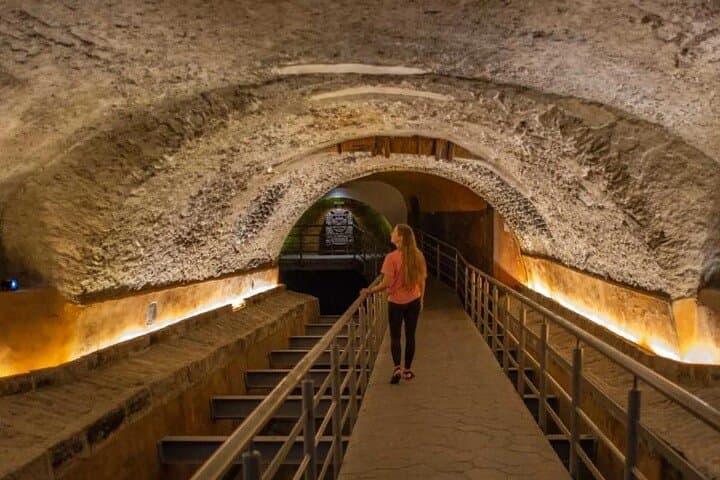
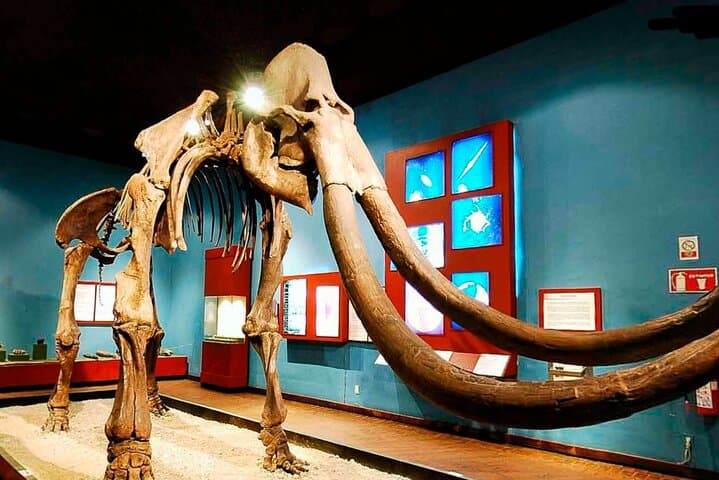
Begin at the Puente de las Damas, an unexpected urban relic that once stitched Mexicalxingo to the historic core — a small bridge with a civic story, financed and named by women who shaped the neighborhood. From there the route moves into the Museum of Anthropology where rows of bones and articulated frames recall ancient giants; the museum holds the largest concentration of fossils in western Mexico and makes paleontology tactile rather than distant.
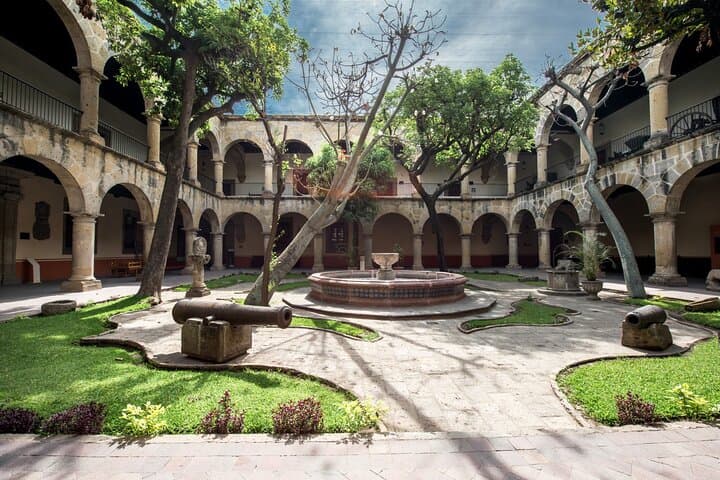
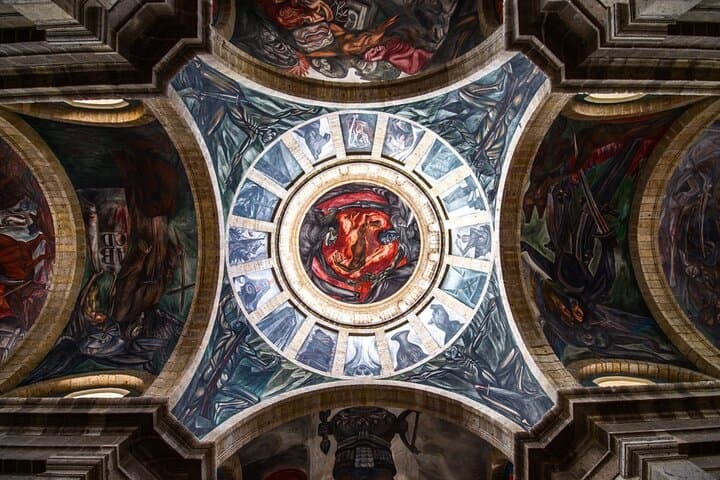
The day deepens at Hospicio Cabañas, an 18th-century complex whose vast rooms are dominated by murals by José Clemente Orozco, artworks that turn walls into argument and memory. Finally, the Michin Aquarium cools the senses: tanks crowd with native freshwater species and colorful tropical exhibits that make water seem to move of its own accord.
Culturally this tour threads civic engineering, paleontological collection, and muralist politics into a single day. Geologically, the fossil collections speak to the ancient sedimentary basins that once covered the region.
Practical guidance: wear comfortable, supportive shoes and bring a small daypack for water and layers; the museums are largely accessible but involve walking and staircases. Carry sunscreen for short outdoor stretches and plan bathroom or snack breaks between long galleries. Expect a 6–7 hour private tour with included entry fees and bottled water; ask in advance about language needs. This itinerary gives a compact, readable portrait of Guadalajara’s civic and natural history.
easy.
6–7 hours.
Suitable for all fitness levels but able to walk and stand for several hours without difficulty.
Yes; the tour description indicates museum and aquarium tickets are included in the price.
Many sites have accessible routes but historic buildings like Hospicio Cabañas include uneven floors and limited elevator access; check with the operator for specific accessibility needs.
Bottled water and soda are included, but lunch is not specified — plan for a lunch stop or bring snacks and ask the guide for local recommendations.
Private tours often offer multilingual guides on request; confirm language availability at booking to ensure a guide who matches your needs.
Hospicio Cabañas served as a major 19th-century hospice and houses murals by José Clemente Orozco; the Museum of Anthropology preserves the largest fossil collection in western Mexico.
The museum and aquarium participate in preservation and education programs; visitors can support conservation by following exhibit rules and avoiding single-use plastics.
Koyote Tours operates guided outdoor trips and adventures with an emphasis on safety, stewardship, and memorable experiences.
You step off an air-conditioned van into a Guadalajara morning where stone and paint argue across plazas and the city exhales history through every doorway.
You step off an air-conditioned van into a Guadalajara morning where stone and paint argue across plazas and the city exhales history through every doorway.
Begin at the Puente de las Damas, an unexpected urban relic that once stitched Mexicalxingo to the historic core — a small bridge with a civic story, financed and named by women who shaped the neighborhood. From there the route moves into the Museum of Anthropology where rows of bones and articulated frames recall ancient giants; the museum holds the largest concentration of fossils in western Mexico and makes paleontology tactile rather than distant.
The day deepens at Hospicio Cabañas, an 18th-century complex whose vast rooms are dominated by murals by José Clemente Orozco, artworks that turn walls into argument and memory. Finally, the Michin Aquarium cools the senses: tanks crowd with native freshwater species and colorful tropical exhibits that make water seem to move of its own accord.
Culturally this tour threads civic engineering, paleontological collection, and muralist politics into a single day. Geologically, the fossil collections speak to the ancient sedimentary basins that once covered the region.
Practical guidance: wear comfortable, supportive shoes and bring a small daypack for water and layers; the museums are largely accessible but involve walking and staircases. Carry sunscreen for short outdoor stretches and plan bathroom or snack breaks between long galleries. Expect a 6–7 hour private tour with included entry fees and bottled water; ask in advance about language needs. This itinerary gives a compact, readable portrait of Guadalajara’s civic and natural history.