THE ADVENTURE COLLECTIVE® · Independent discovery and booking for outdoor travel

A full-day private excursion from Marsa Alam that compresses Egypt’s cornerstone sites into one efficient itinerary: a sunrise flight to Cairo, a guided walk around the Giza Pyramids and Sphinx, a curated visit to the Egyptian Museum, and free time in Khan al-Khalili. Ideal for travelers short on time who want expert interpretation and private transport.
A full-day private excursion from Marsa Alam that compresses Egypt’s cornerstone sites into one efficient itinerary: a sunrise flight to Cairo, a guided walk around the Giza Pyramids and Sphinx, a curated visit to the Egyptian Museum, and free time in Khan al-Khalili. Ideal for travelers short on time who want expert interpretation and private transport.
You wake before dawn in Marsa Alam, the desert cool against the hotel door, and set out for Hurghada Airport. The day folds into a compact, kinetic loop: a short domestic flight, an Egyptologist at the tarmac door, and the Giza Plateau unfolding under a low sun.
Verified experiences and guided adventures in the surrounding area.
Operated by Queen Nefertari Tours · Cairo, Cairo Governorate
You wake before dawn in Marsa Alam, the desert cool against the hotel door, and set out for Hurghada Airport. The day folds into a compact, kinetic loop: a short domestic flight, an Egyptologist at the tarmac door, and the Giza Plateau unfolding under a low sun.
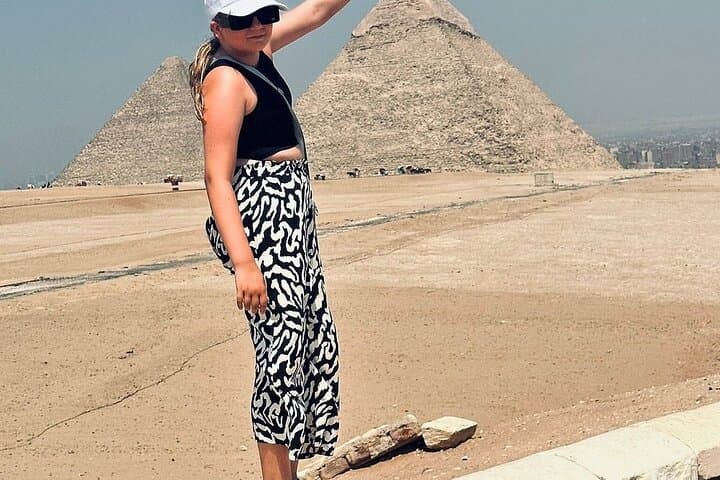
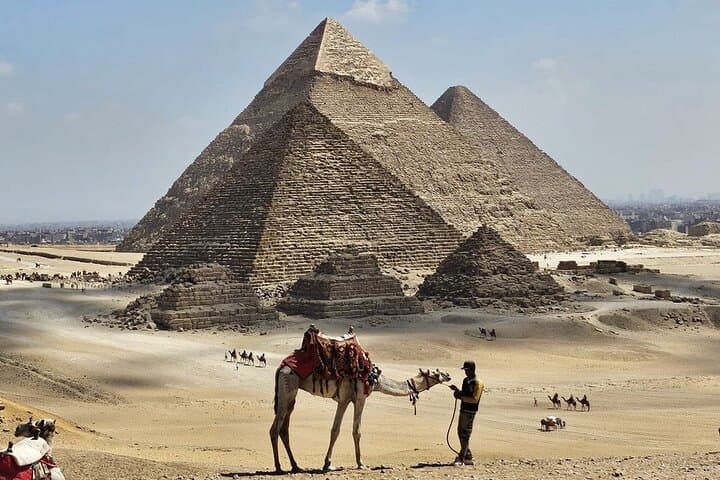
The plateau is limestone and grit—geology that made the pyramids possible and supplied the quarried stone for the Sphinx’s body. The Great Pyramid of Khufu rises in geometric silence; Chephren and Menkaure stand on either side, their casing stones and construction scars telling a practical story of ancient engineering. Nearby, the Sphinx stares westward, its human face and feline body cut from the same stone that fed the pyramids.
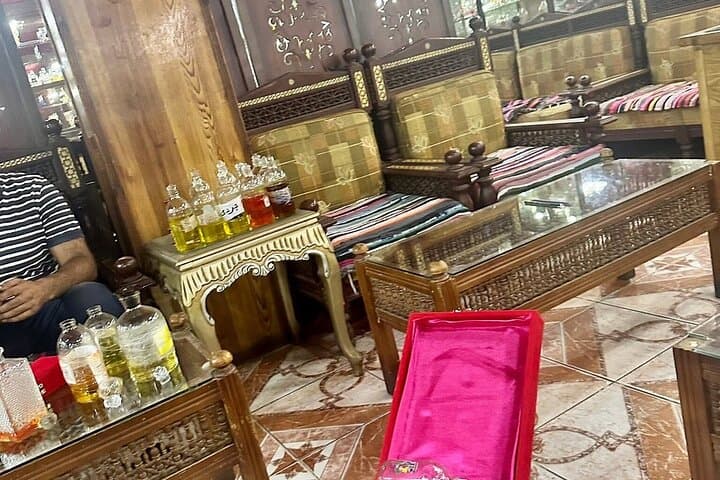
In Cairo, the Egyptian Museum houses five millennia of funerary art, with the Tutankhamun hoard among the most visited displays. After artifacts and architecture, Khan al-Khalili offers a contrasting pulse—spices, brassware, and bargaining that reveal modern Cairo’s rhythms.
Practical guidance: this is a long day—expect 10–12 hours door-to-door. Carry a photocopy of your passport and the original, bring sun protection and at least 2 liters of water, and wear sturdy walking shoes for sandy, uneven surfaces. Be prepared for bargaining around the pyramids and optional camel rides; set clear prices up front. Photography is allowed at most outdoor sites but check signage at the museum. Flights and transfers are included, but leave buffer time for security and local traffic. With clear expectations, the trip compresses Egypt’s deep history into one intense, highly accessible day.
easy.
10–12 hours.
Suitable for travelers with basic mobility; expect walking on uneven, sandy ground and stairs inside the museum.
Yes; the itinerary includes round-trip domestic flights between Hurghada (or nearest airport) and Cairo as part of the tour package.
Yes; admission to Giza Plateau and the Egyptian Museum are included in the tour details provided.
Yes—camel rides are available but typically priced separately; agree on a firm price before mounting.
The tour is family-friendly; infants must sit on an adult’s lap during flights and the schedule is long, so plan breaks.
The Giza pyramids date to the Fourth Dynasty (c. 2600–2500 BCE); the Sphinx was carved from the plateau’s residual limestone and reworked over centuries.
High visitor numbers strain the plateau’s fragile stone and surrounding environment—stick to paths and avoid climbing on monuments; choose operators who support local site preservation efforts.
Queen Nefertari Tours operates guided outdoor trips and adventures with an emphasis on safety, stewardship, and memorable experiences.

You wake before dawn in Marsa Alam, the desert cool against the hotel door, and set out for Hurghada Airport. The day folds into a compact, kinetic loop: a short domestic flight, an Egyptologist at the tarmac door, and the Giza Plateau unfolding under a low sun.
You wake before dawn in Marsa Alam, the desert cool against the hotel door, and set out for Hurghada Airport. The day folds into a compact, kinetic loop: a short domestic flight, an Egyptologist at the tarmac door, and the Giza Plateau unfolding under a low sun.
The plateau is limestone and grit—geology that made the pyramids possible and supplied the quarried stone for the Sphinx’s body. The Great Pyramid of Khufu rises in geometric silence; Chephren and Menkaure stand on either side, their casing stones and construction scars telling a practical story of ancient engineering. Nearby, the Sphinx stares westward, its human face and feline body cut from the same stone that fed the pyramids.
In Cairo, the Egyptian Museum houses five millennia of funerary art, with the Tutankhamun hoard among the most visited displays. After artifacts and architecture, Khan al-Khalili offers a contrasting pulse—spices, brassware, and bargaining that reveal modern Cairo’s rhythms.
Practical guidance: this is a long day—expect 10–12 hours door-to-door. Carry a photocopy of your passport and the original, bring sun protection and at least 2 liters of water, and wear sturdy walking shoes for sandy, uneven surfaces. Be prepared for bargaining around the pyramids and optional camel rides; set clear prices up front. Photography is allowed at most outdoor sites but check signage at the museum. Flights and transfers are included, but leave buffer time for security and local traffic. With clear expectations, the trip compresses Egypt’s deep history into one intense, highly accessible day.