THE ADVENTURE COLLECTIVE® · Independent discovery and booking for outdoor travel

See Roman amphitheaters, UNESCO-listed gardens and sea-carved grottoes in a single day. This private tour from Tel Aviv pairs efficient transport with expert guiding to unpack northern Israel’s coastal history and geology.
See Roman amphitheaters, UNESCO-listed gardens and sea-carved grottoes in a single day. This private tour from Tel Aviv pairs efficient transport with expert guiding to unpack northern Israel’s coastal history and geology.
Morning in Tel Aviv feels brisk and deliberate: the coach eases out of the city and the Mediterranean pulls the horizon forward, a blue that dares you to keep looking. Within an hour the air smells saltier, the landscape flattens into olive groves and citrus, and the day’s itinerary unfolds—Roman stones, Bahá’í terraces, sea-cut grottoes, and Crusader walls.
Verified experiences and guided adventures in the surrounding area.
Operated by taxiGo Limo Airport Service · Tel Aviv, Tel Aviv District
Morning in Tel Aviv feels brisk and deliberate: the coach eases out of the city and the Mediterranean pulls the horizon forward, a blue that dares you to keep looking. Within an hour the air smells saltier, the landscape flattens into olive groves and citrus, and the day’s itinerary unfolds—Roman stones, Bahá’í terraces, sea-cut grottoes, and Crusader walls.
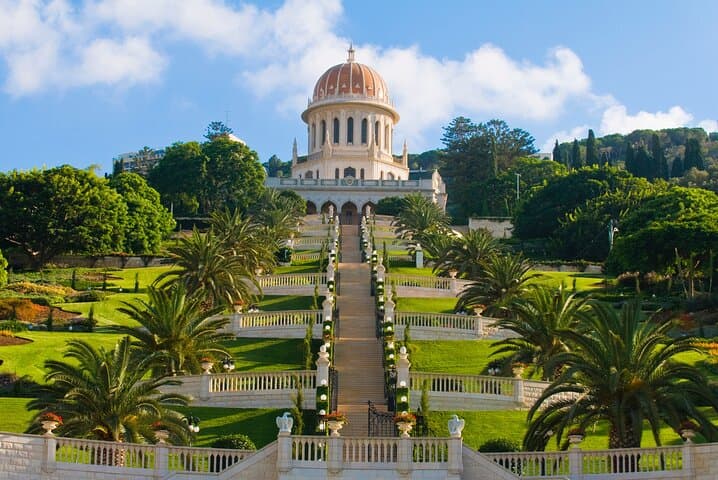
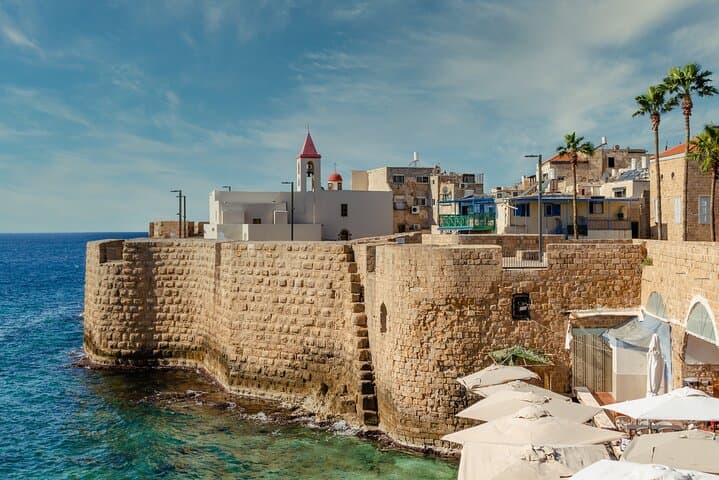
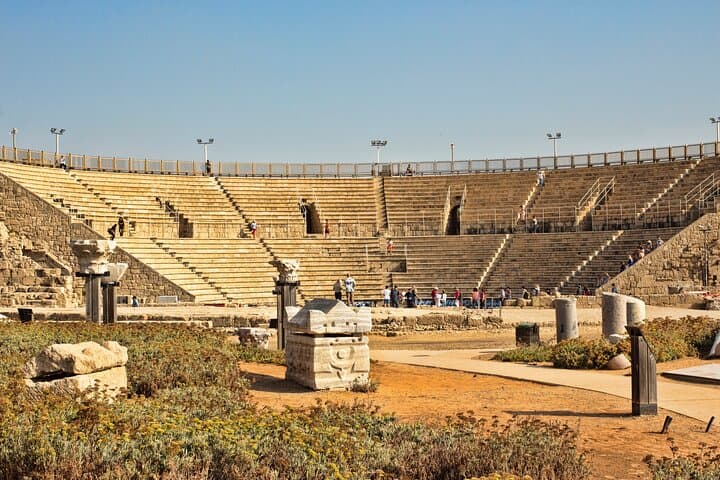
Caesarea Maritima speaks in carved marble and theater seats—Herod’s port city engineered to announce Roman power on the Levantine coast. Mount Carmel’s Bahá’í Gardens in Haifa combine late-Ottoman garden design with a modern creed, offering ordered terraces and sweeping harbor views. Rosh HaNikra’s grottoes are geological theatre: the sea has chewed a network of caverns into chalk cliffs, visible via a short tunnel and cable car. Acre (Akko) presents layered history—Crusader halls, Ottoman markets and preserved fortifications that read like architectural palimpsests.
Expect paved paths and cobbled alleys, some stair climbs and uneven archaeological surfaces; the tour is private and paced but active—comfortable shoes and sun protection are essential. Guides typically cover admissions, local stories and logistics; there’s an hour of free time for lunch and shopping in Acre’s old port.
Practical tips: start early to avoid midday heat, carry water and a light layer for the coastal breeze, and check seasonal ferry or grotto access—rough seas can limit visits. This one-day route delivers history, geology, and coastal drama with the convenience of private transport and a local guide, ideal for travelers wanting a concentrated sweep of northern Israel’s highlights.
easy.
9 hours.
Suitable for most fitness levels; expect moderate walking and short stair climbs.
Yes—the tour offers pick up and drop off at central Tel Aviv hotels or agreed city-center meeting points.
Admissions are generally not included; check with the operator beforehand and have local currency or card available for park entries.
Expect 30–60 minutes of on-foot touring per major stop on mostly paved or compacted surfaces, with some stairs and uneven sections.
Yes; infant seats are available and the itinerary is labeled suitable for all fitness levels, but notify the operator of special requirements when booking.
Caesarea was rebuilt by Herod the Great as a major Roman port; Acre was a Crusader and Ottoman stronghold whose fortifications remain unusually intact.
Rosh HaNikra’s grottoes are sensitive to sea conditions and visitor impact—follow marked paths and avoid touching fragile formations; the Bahá’í Gardens operate strict visitor rules to protect plantings and the site’s integrity.
taxiGo Limo Airport Service operates guided outdoor trips and adventures with an emphasis on safety, stewardship, and memorable experiences.

Morning in Tel Aviv feels brisk and deliberate: the coach eases out of the city and the Mediterranean pulls the horizon forward, a blue that dares you to keep looking. Within an hour the air smells saltier, the landscape flattens into olive groves and citrus, and the day’s itinerary unfolds—Roman stones, Bahá’í terraces, sea-cut grottoes, and Crusader walls.
Morning in Tel Aviv feels brisk and deliberate: the coach eases out of the city and the Mediterranean pulls the horizon forward, a blue that dares you to keep looking. Within an hour the air smells saltier, the landscape flattens into olive groves and citrus, and the day’s itinerary unfolds—Roman stones, Bahá’í terraces, sea-cut grottoes, and Crusader walls.
Caesarea Maritima speaks in carved marble and theater seats—Herod’s port city engineered to announce Roman power on the Levantine coast. Mount Carmel’s Bahá’í Gardens in Haifa combine late-Ottoman garden design with a modern creed, offering ordered terraces and sweeping harbor views. Rosh HaNikra’s grottoes are geological theatre: the sea has chewed a network of caverns into chalk cliffs, visible via a short tunnel and cable car. Acre (Akko) presents layered history—Crusader halls, Ottoman markets and preserved fortifications that read like architectural palimpsests.
Expect paved paths and cobbled alleys, some stair climbs and uneven archaeological surfaces; the tour is private and paced but active—comfortable shoes and sun protection are essential. Guides typically cover admissions, local stories and logistics; there’s an hour of free time for lunch and shopping in Acre’s old port.
Practical tips: start early to avoid midday heat, carry water and a light layer for the coastal breeze, and check seasonal ferry or grotto access—rough seas can limit visits. This one-day route delivers history, geology, and coastal drama with the convenience of private transport and a local guide, ideal for travelers wanting a concentrated sweep of northern Israel’s highlights.