THE ADVENTURE COLLECTIVE® · Independent discovery and booking for outdoor travel

Travel from Tbilisi across the Georgian lowlands to the cliff-cut rooms of Uplistsikhe, then on to the sacred churches of Mtskheta and the Soviet-era Stalin Museum in Gori. This full-day private tour pairs geological wonder with layered history.
Travel from Tbilisi across the Georgian lowlands to the cliff-cut rooms of Uplistsikhe, then on to the sacred churches of Mtskheta and the Soviet-era Stalin Museum in Gori. This full-day private tour pairs geological wonder with layered history.
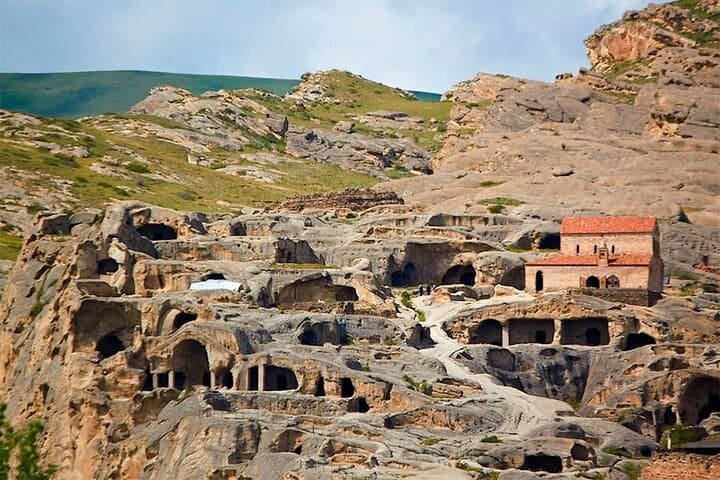
You step into the van as the Tbilisi skyline shrinks behind you and the road unfurls toward pale limestone ridges. By mid-morning the low hills open to the carved face of Uplistsikhe, ancient rooms and tunnels hewn directly into the rock, where wind and light still find narrow doorways carved two millennia ago.
Verified experiences and guided adventures in the surrounding area.
Operated by Louis Trip Georgia · Tbilisi, Tbilisi
You step into the van as the Tbilisi skyline shrinks behind you and the road unfurls toward pale limestone ridges. By mid-morning the low hills open to the carved face of Uplistsikhe, ancient rooms and tunnels hewn directly into the rock, where wind and light still find narrow doorways carved two millennia ago.
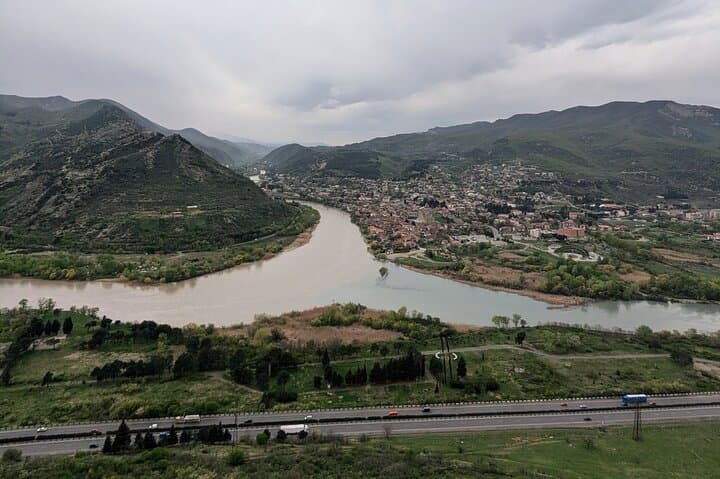
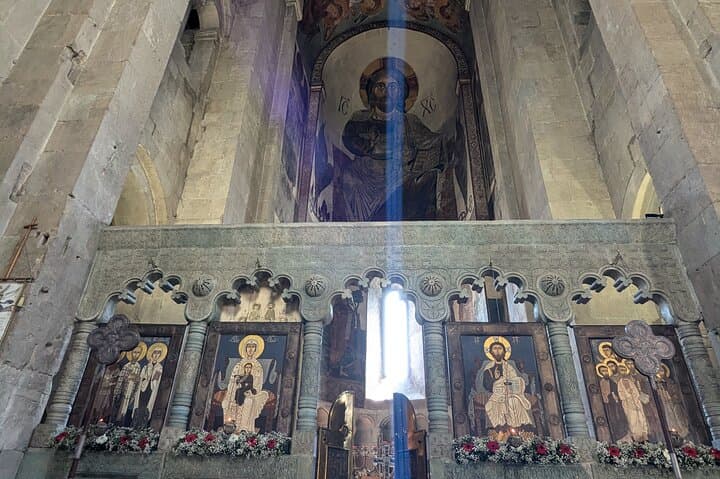
Uplistsikhe sits on an erosional rock massif above the Mtkvari River; its lanes and cavities reflect a long trade and ritual history from the late Bronze Age through medieval Georgia. Nearby, Gori's Stalin Museum keeps a different kind of history in its preserved Soviet-era exhibits, while Mtskheta—Georgia’s former capital—holds Svetitskhoveli Cathedral and the 6th-century Jvari Monastery, an early example of Georgian cruciform architecture that presaged the region’s Christian identity.
Expect a mix of short hikes, rocky steps, and paved courtyards. Guides typically weave geology—sandstone benches, karst erosion—with stories of kingdoms, Mongol raids, and religious transitions. The cultural contrast between fortress-town ruins and austere monastic stonework is sharp and revealing.
Practically: start early to avoid heat and crowds, bring cash for small entry fees and donations, and wear grippy shoes for uneven rock stairs. Sun protection and a light layer for hilltop winds make the day more comfortable. The pace is relaxed but full: photo stops, a museum visit, and time to wander cathedral grounds before returning to Tbilisi by evening.
easy.
8–9 hours.
Light fitness required—short walks and stair climbs on uneven terrain; comfortable for most travelers.
Most historic sites require modest entry fees; the tour description notes that admissions are not included, so bring cash.
Yes—private tours typically include pickup within Tbilisi; confirm your exact pickup point when booking.
Short children can join, but Uplistsikhe and some church approaches involve steps and uneven ground—strollers are not practical on-site.
Expect multiple short walks and stair climbs totaling a few kilometers across varied surfaces; there are rest stops and transport between points.
Uplistsikhe served as a trade and religious hub from the late Bronze Age through medieval times, while Mtskheta was Georgia’s early capital and the site where Christianity became the state religion in the 4th century.
The cave town and ancient churches are fragile—stick to marked paths, avoid climbing on carved façades, and support local guides who promote responsible visitation.
Louis Trip Georgia operates guided outdoor trips and adventures with an emphasis on safety, stewardship, and memorable experiences.

You step into the van as the Tbilisi skyline shrinks behind you and the road unfurls toward pale limestone ridges. By mid-morning the low hills open to the carved face of Uplistsikhe, ancient rooms and tunnels hewn directly into the rock, where wind and light still find narrow doorways carved two millennia ago.
You step into the van as the Tbilisi skyline shrinks behind you and the road unfurls toward pale limestone ridges. By mid-morning the low hills open to the carved face of Uplistsikhe, ancient rooms and tunnels hewn directly into the rock, where wind and light still find narrow doorways carved two millennia ago.
Uplistsikhe sits on an erosional rock massif above the Mtkvari River; its lanes and cavities reflect a long trade and ritual history from the late Bronze Age through medieval Georgia. Nearby, Gori's Stalin Museum keeps a different kind of history in its preserved Soviet-era exhibits, while Mtskheta—Georgia’s former capital—holds Svetitskhoveli Cathedral and the 6th-century Jvari Monastery, an early example of Georgian cruciform architecture that presaged the region’s Christian identity.
Expect a mix of short hikes, rocky steps, and paved courtyards. Guides typically weave geology—sandstone benches, karst erosion—with stories of kingdoms, Mongol raids, and religious transitions. The cultural contrast between fortress-town ruins and austere monastic stonework is sharp and revealing.
Practically: start early to avoid heat and crowds, bring cash for small entry fees and donations, and wear grippy shoes for uneven rock stairs. Sun protection and a light layer for hilltop winds make the day more comfortable. The pace is relaxed but full: photo stops, a museum visit, and time to wander cathedral grounds before returning to Tbilisi by evening.