THE ADVENTURE COLLECTIVE® · Independent discovery and booking for outdoor travel

Spend a flexible day from Syracuse visiting Mount Etna’s craters, Taormina’s Greek Theatre and the Baroque towns of eastern Sicily with private transport and local tips. Expect short walks, geology-rich landscapes and curated drop-offs for photos and tasting stops.
Spend a flexible day from Syracuse visiting Mount Etna’s craters, Taormina’s Greek Theatre and the Baroque towns of eastern Sicily with private transport and local tips. Expect short walks, geology-rich landscapes and curated drop-offs for photos and tasting stops.
Morning light slides across the limestone facades of Ortigia as your driver eases out of Syracuse, engine low and air-conditioning a quiet comfort against the rising heat. You move from sea-salted lanes to volcanic scree in a day: silvery waves at the coast, the black slope of Etna daring you uphill, and the honey-colored Baroque staircases of Ragusa and Modica waiting like open books.
Verified experiences and guided adventures in the surrounding area.
Operated by Antares Taxi & Tours · Syracuse, Sicily
Morning light slides across the limestone facades of Ortigia as your driver eases out of Syracuse, engine low and air-conditioning a quiet comfort against the rising heat. You move from sea-salted lanes to volcanic scree in a day: silvery waves at the coast, the black slope of Etna daring you uphill, and the honey-colored Baroque staircases of Ragusa and Modica waiting like open books.
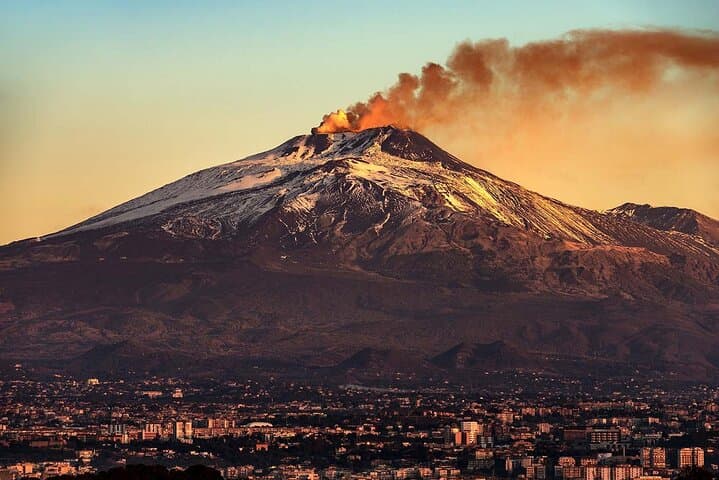
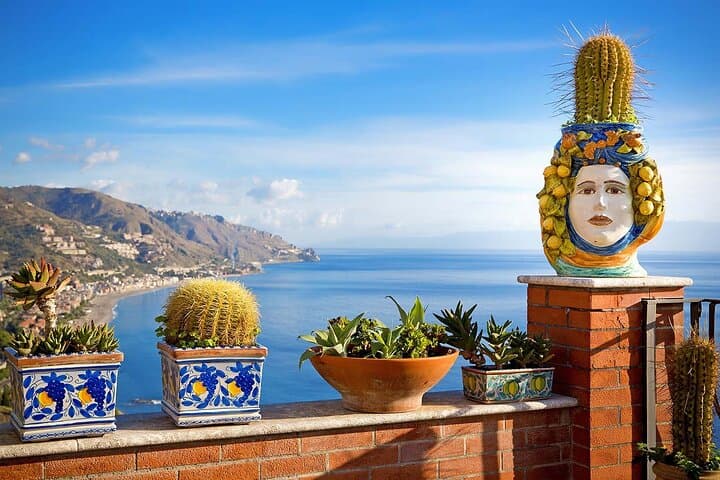
This loop through eastern Sicily mixes geology and history. Mount Etna, Europe’s highest active volcano, shapes soils, vineyards and weather here; the Val di Noto towns were rebuilt in refined Baroque style after the 1693 quake and now host narrow streets, ornate churches and local ceramics. Taormina’s Greek Theatre perches above the Ionian, its stones offering a view that has drawn theater and trade since antiquity.
Expect short walks at viewpoints and archaeological sites, strategic drop-offs for photography and dining, and practical local rules — several centers enforce ZTL (restricted-traffic) zones and parking can be scarce. Drivers typically provide orientation and restaurant tips so you can explore on foot without worrying about logistics.
Practical guidance: plan for 7–9 hours, wear stable shoes for cobbled streets and loose volcanic gravel, carry water and sun protection, and bring a light layer for higher elevation near Etna where wind and sudden weather shifts are common. If you want closer access on Etna, arrange cable-car tickets or guided hikes in advance. This private format gives flexibility: arrive early to beat crowds, ask about local sweets like granita and Modica chocolate, and allow time to linger at a seaside viewpoint before returning to Syracuse.
easy.
7–9 hours.
Suitable for travelers in average condition; involves short walks and standing at viewpoints but no sustained hiking unless you add it.
Drivers generally drop you at legal access points outside ZTL zones and advise on walking routes; confirm pickup points in advance.
Cable-car tickets, guided Etna excursions or quad rides are usually optional extras; check at booking and reserve in advance for peak season.
Private format allows flexibility—ask to prioritize certain towns, extra time in Taormina, or specific restaurants when booking.
Yes—strollers are accommodated and infant seats are available, but some cobbled streets and Etna viewpoints have uneven ground.
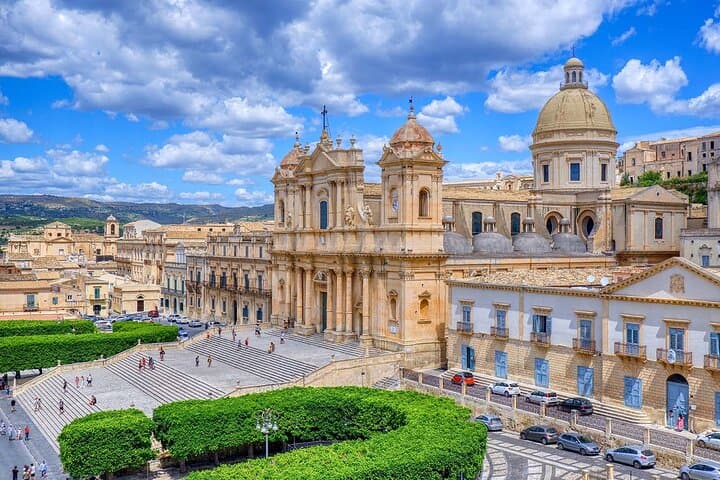
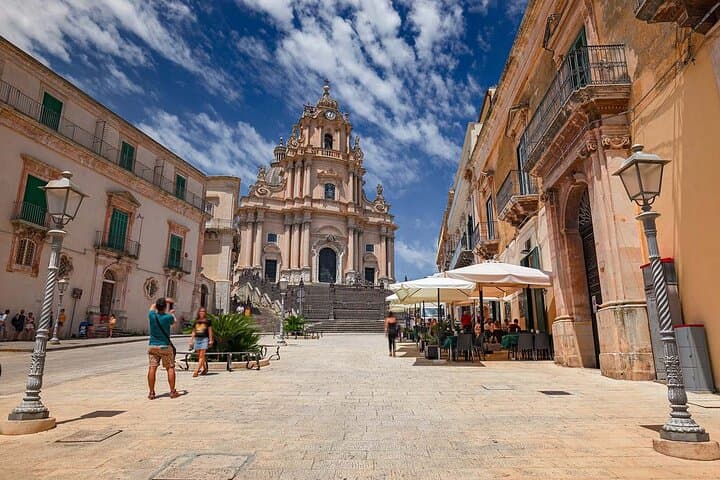
Eastern Sicily’s towns—Ragusa, Modica and Scicli—were rebuilt after the 1693 earthquake in the ornate Baroque style now recognized across the Val di Noto UNESCO area.
Mount Etna is a protected park with marked trails; respect signage, avoid stepping on fragile lava fields and follow leave-no-trace principles in historic centers where tourism pressures are high.
Antares Taxi & Tours operates guided outdoor trips and adventures with an emphasis on safety, stewardship, and memorable experiences.
Morning light slides across the limestone facades of Ortigia as your driver eases out of Syracuse, engine low and air-conditioning a quiet comfort against the rising heat. You move from sea-salted lanes to volcanic scree in a day: silvery waves at the coast, the black slope of Etna daring you uphill, and the honey-colored Baroque staircases of Ragusa and Modica waiting like open books.
Morning light slides across the limestone facades of Ortigia as your driver eases out of Syracuse, engine low and air-conditioning a quiet comfort against the rising heat. You move from sea-salted lanes to volcanic scree in a day: silvery waves at the coast, the black slope of Etna daring you uphill, and the honey-colored Baroque staircases of Ragusa and Modica waiting like open books.
This loop through eastern Sicily mixes geology and history. Mount Etna, Europe’s highest active volcano, shapes soils, vineyards and weather here; the Val di Noto towns were rebuilt in refined Baroque style after the 1693 quake and now host narrow streets, ornate churches and local ceramics. Taormina’s Greek Theatre perches above the Ionian, its stones offering a view that has drawn theater and trade since antiquity.
Expect short walks at viewpoints and archaeological sites, strategic drop-offs for photography and dining, and practical local rules — several centers enforce ZTL (restricted-traffic) zones and parking can be scarce. Drivers typically provide orientation and restaurant tips so you can explore on foot without worrying about logistics.
Practical guidance: plan for 7–9 hours, wear stable shoes for cobbled streets and loose volcanic gravel, carry water and sun protection, and bring a light layer for higher elevation near Etna where wind and sudden weather shifts are common. If you want closer access on Etna, arrange cable-car tickets or guided hikes in advance. This private format gives flexibility: arrive early to beat crowds, ask about local sweets like granita and Modica chocolate, and allow time to linger at a seaside viewpoint before returning to Syracuse.