THE ADVENTURE COLLECTIVE® · Independent discovery and booking for outdoor travel

Spend a day traversing Egypt’s layered past: the Egyptian Museum’s pharaonic treasures, the Citadel’s Ottoman grandeur and the devotional heart of Coptic Cairo. This private tour combines skip-the-hassle logistics with in-depth cultural context.
Spend a day traversing Egypt’s layered past: the Egyptian Museum’s pharaonic treasures, the Citadel’s Ottoman grandeur and the devotional heart of Coptic Cairo. This private tour combines skip-the-hassle logistics with in-depth cultural context.
You step out of an air-conditioned car into a Cairo morning where stone and river trade stories: the Egyptian Museum’s bronze doors give way to rooms crowded with gold that has not seen sunlight in millennia, while the Citadel perches above the city, its ramparts cutting a clean line against the sky.
Verified experiences and guided adventures in the surrounding area.
Operated by Comfort Egypt Tours · Cairo, Cairo Governorate
You step out of an air-conditioned car into a Cairo morning where stone and river trade stories: the Egyptian Museum’s bronze doors give way to rooms crowded with gold that has not seen sunlight in millennia, while the Citadel perches above the city, its ramparts cutting a clean line against the sky.
The day moves from Pharaonic to Ottoman to early Christian. At the museum, artifacts span five millennia—statues, funerary masks and the concentrated glitter of Tutankhamen’s trove. The Citadel, begun under Salah al-Din in 1183, shows Mamluk and Ottoman layers; Mohamed Ali’s alabaster mosque fills the courtyard with call-and-response prayers and wide views across greater Cairo. Old Cairo (Coptic Cairo) predates the modern city: the Church of St. Sergius, the Hanging Church and the Ben Ezra Synagogue stand within the ancient Babylon Fortress, each site carrying pilgrims’ marks, carved inscription and mosaic fragments.
Geologically the landscape is the Nile’s floodplain, sculpted by alluvial deposits rather than rock strata; the stone used in the Citadel and mosques was quarried and hauled to sit where it now watches the river.
Practicalities: the full itinerary runs about eight hours with three main stops and time for lunch. Expect security checkpoints at major sites, modest dress at the mosque and comfortable shoes for uneven floors and casual walking. Carry water, sunscreen and a camera with spare battery. A guide handles lines and tickets; bring small bills for tips and souvenirs.
easy.
8 hours.
Light walking ability; participants should be comfortable standing and walking on uneven floors for short stretches.
Yes—this private tour includes entrance tickets to the Egyptian Museum, the Citadel and the sites in Coptic Cairo.
Visitors can enter most churches and the exterior and courtyard of Mohamed Ali Mosque; women should have head coverings and both genders should dress modestly for mosque access.
Pickup from hotels in Cairo or Giza is included and typically begins around 8:00 AM; confirm your pickup point when booking.
The tour is labeled suitable for all fitness levels, but sites include steps and uneven surfaces; travelers with severe mobility restrictions should notify the operator in advance.
The Citadel was begun by Salah al-Din in the 12th century as a defensive fortress; Coptic Cairo preserves churches built on or near earlier Roman and Byzantine structures.
Historic sites manage visitor flow to protect fragile interiors; avoid touching ancient surfaces and follow local guidelines to preserve mosaics and painted woodwork.
Comfort Egypt Tours operates guided outdoor trips and adventures with an emphasis on safety, stewardship, and memorable experiences.
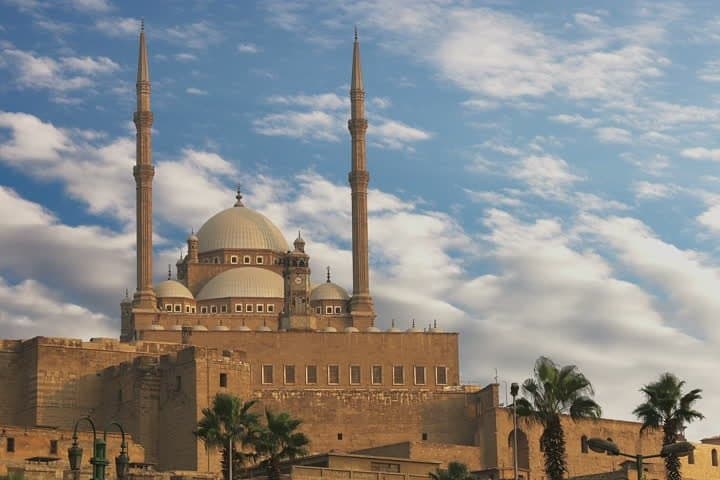
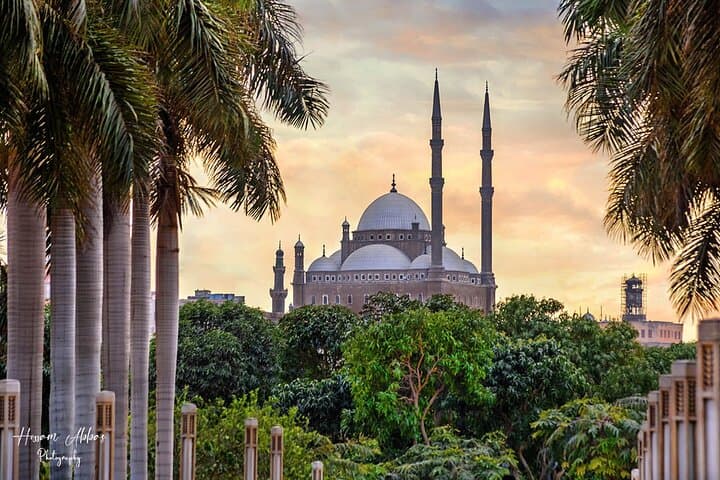
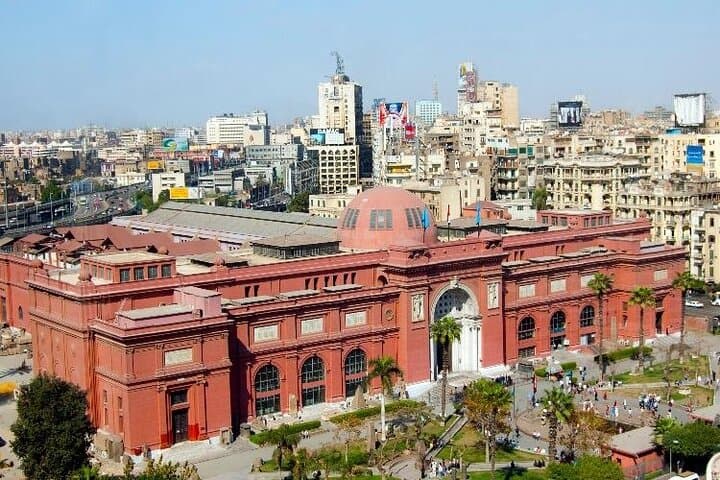
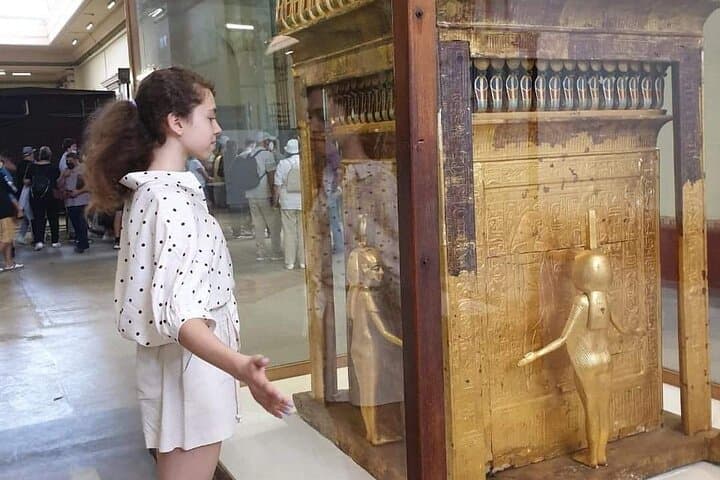
You step out of an air-conditioned car into a Cairo morning where stone and river trade stories: the Egyptian Museum’s bronze doors give way to rooms crowded with gold that has not seen sunlight in millennia, while the Citadel perches above the city, its ramparts cutting a clean line against the sky.
You step out of an air-conditioned car into a Cairo morning where stone and river trade stories: the Egyptian Museum’s bronze doors give way to rooms crowded with gold that has not seen sunlight in millennia, while the Citadel perches above the city, its ramparts cutting a clean line against the sky.
The day moves from Pharaonic to Ottoman to early Christian. At the museum, artifacts span five millennia—statues, funerary masks and the concentrated glitter of Tutankhamen’s trove. The Citadel, begun under Salah al-Din in 1183, shows Mamluk and Ottoman layers; Mohamed Ali’s alabaster mosque fills the courtyard with call-and-response prayers and wide views across greater Cairo. Old Cairo (Coptic Cairo) predates the modern city: the Church of St. Sergius, the Hanging Church and the Ben Ezra Synagogue stand within the ancient Babylon Fortress, each site carrying pilgrims’ marks, carved inscription and mosaic fragments.
Geologically the landscape is the Nile’s floodplain, sculpted by alluvial deposits rather than rock strata; the stone used in the Citadel and mosques was quarried and hauled to sit where it now watches the river.
Practicalities: the full itinerary runs about eight hours with three main stops and time for lunch. Expect security checkpoints at major sites, modest dress at the mosque and comfortable shoes for uneven floors and casual walking. Carry water, sunscreen and a camera with spare battery. A guide handles lines and tickets; bring small bills for tips and souvenirs.